Expect technology to become more self-improving and tailored, learning from every interaction to optimize everything from industrial maintenance to personal creative projects, all powered by increasingly capable and accessible hardware.
The tech landscape is shifting towards a future where intelligence isn't just programmed, but 'learned' and 'adapted'. We at WondTech see an exciting path ahead, where systems continuously improve themselves, specialized tools become commonplace, and powerful hardware brings it all to life for everyone.
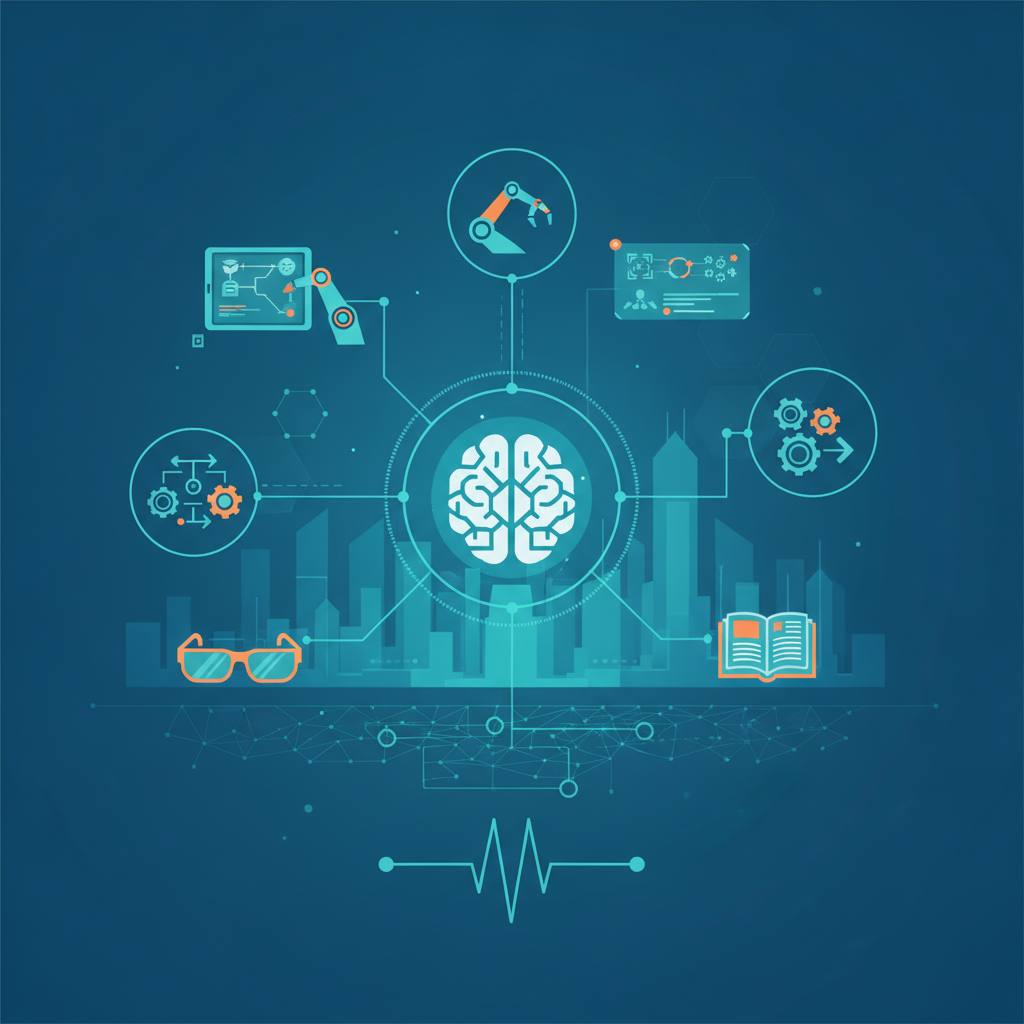
Consider the self-improving AI now optimizing gas compressor fleets. This isn't just AI making decisions; it's AI that gets smarter with every completed work order. The system learns from actual outcomes, feeding that real-world data back into its reasoning. This 'feedback loop' approach will spread far beyond heavy industry. Imagine AI assistants in our daily lives that genuinely understand our routines and preferences, improving their suggestions and actions based on what worked and what didn't for us, rather than just relying on pre-set algorithms. Your home's energy management system, your personal health tracker, even your car's navigation could all become truly self-optimizing, adapting to your specific needs and environment without needing constant updates or retraining.
Parallel to this, the rise of highly specialized digital tools is transforming how we create and work. Take the advanced photo-to-cross-stitch converters as an example. These aren't just basic filters; they offer specific real-world codes for materials, making complex crafts accessible to more people. This trend means we'll see more niche software and applications designed with incredible precision for specific tasks, removing technical barriers for creators, hobbyists, and professionals alike. Whether it's crafting, specialized diagnostics in medicine, or bespoke design in architecture, these intelligent, purpose-built tools will empower users like never before.
Underpinning these advancements is the relentless march of hardware innovation. The leaked specs for devices like the Realme 17 Pro, with its high-resolution AMOLED screen and fast refresh rate, show that premium features are rapidly becoming standard across a wider range of devices. This means the powerful processing capabilities needed for self-improving AI and resource-intensive specialized tools will be available in more hands, making these intelligent and creative applications seamless. We are heading towards a future where intelligent, adaptive technology isn't a luxury, but an integrated, continuously evolving part of our everyday world, making it smarter, more efficient, and more personally tailored.