We expect a future where compact, efficient local AI models, like Liquid AI's LFM3, will drive a new era of smarter, more responsive devices, complemented by optimized operating systems and innovative hardware.
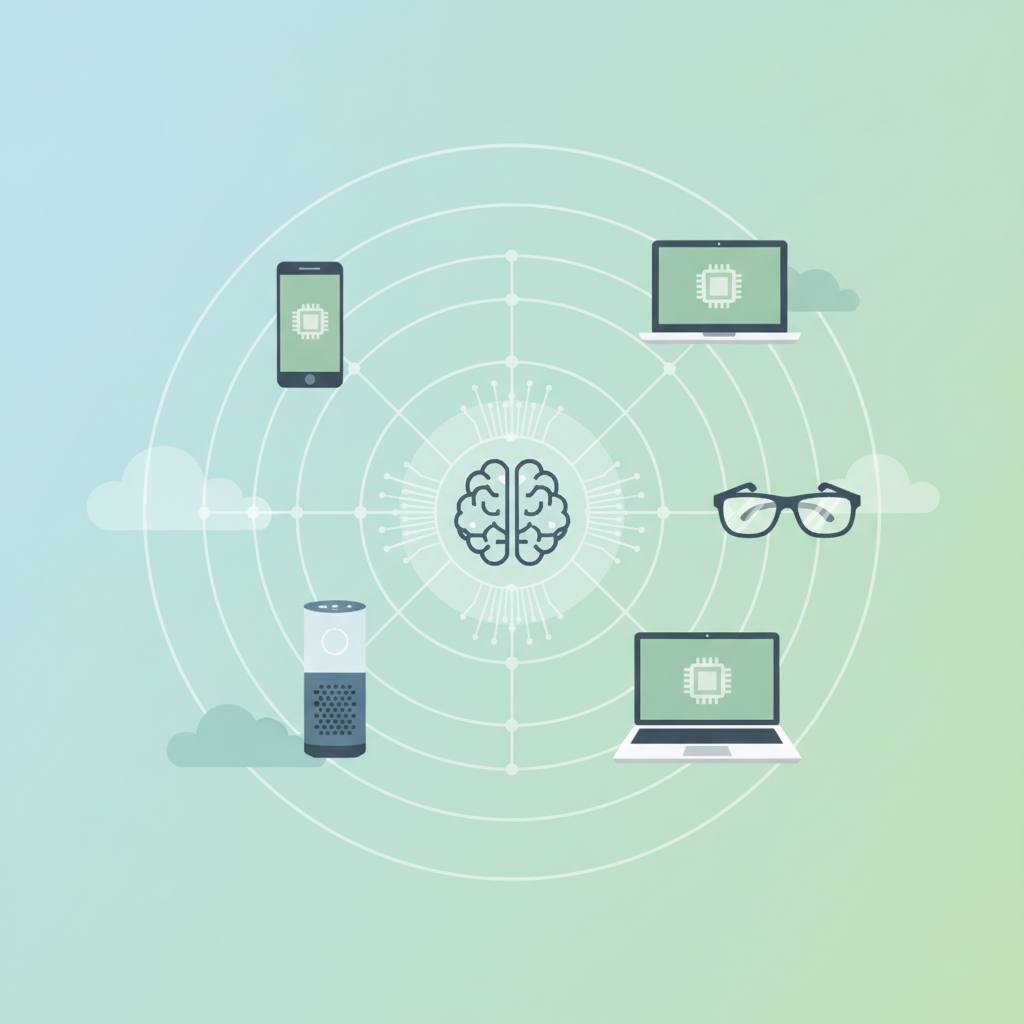
Today's tech news paints a clear picture of where device intelligence and user experience are heading. The emergence of highly efficient, smaller AI models, such as Liquid AI's LFM3, is particularly significant. These models, claiming to outperform much larger counterparts in key AI agent tasks despite being a fraction of the size, signal a shift towards powerful local processing. This means sophisticated AI capabilities will increasingly reside directly on your devices, rather than relying solely on distant cloud servers.
This shift has profound implications. Imagine AI agents on your phone or tablet that process information faster, more privately, and without constant internet access for complex tasks. Devices will become smarter and more independent. We predict that hardware manufacturers, including new players like Huawei's upcoming Osta brand, will design future smartphones and other gadgets specifically to house and leverage these compact AI powerhouses. These new devices might focus on optimizing for the very tasks where models like LFM3 excel, offering specialized performance previously thought impossible in small form factors.
Software development will naturally follow this trend. Updates like Oppo's ColorOS 17, with its focus on «Smoothness Boost» and overall system responsiveness, show a clear commitment to optimizing the user experience over time. We expect future operating systems to deeply integrate these efficient local AI models. This integration will go beyond simple features; it will power dynamic system optimizations, predictive functionalities, and highly personalized user interfaces that continuously learn and adapt. The goal will be to ensure devices not only perform well initially but also maintain a fluid, responsive feel throughout their lifespan, making them feel perpetually new.
In essence, the future of our tech ecosystem lies in a powerful synergy: compact, intelligent local AI working hand-in-hand with purpose-built hardware and deeply optimized software. This combination will lead to devices that are not just faster, but genuinely smarter, more private, and consistently a pleasure to use, offering advanced capabilities directly at your fingertips.