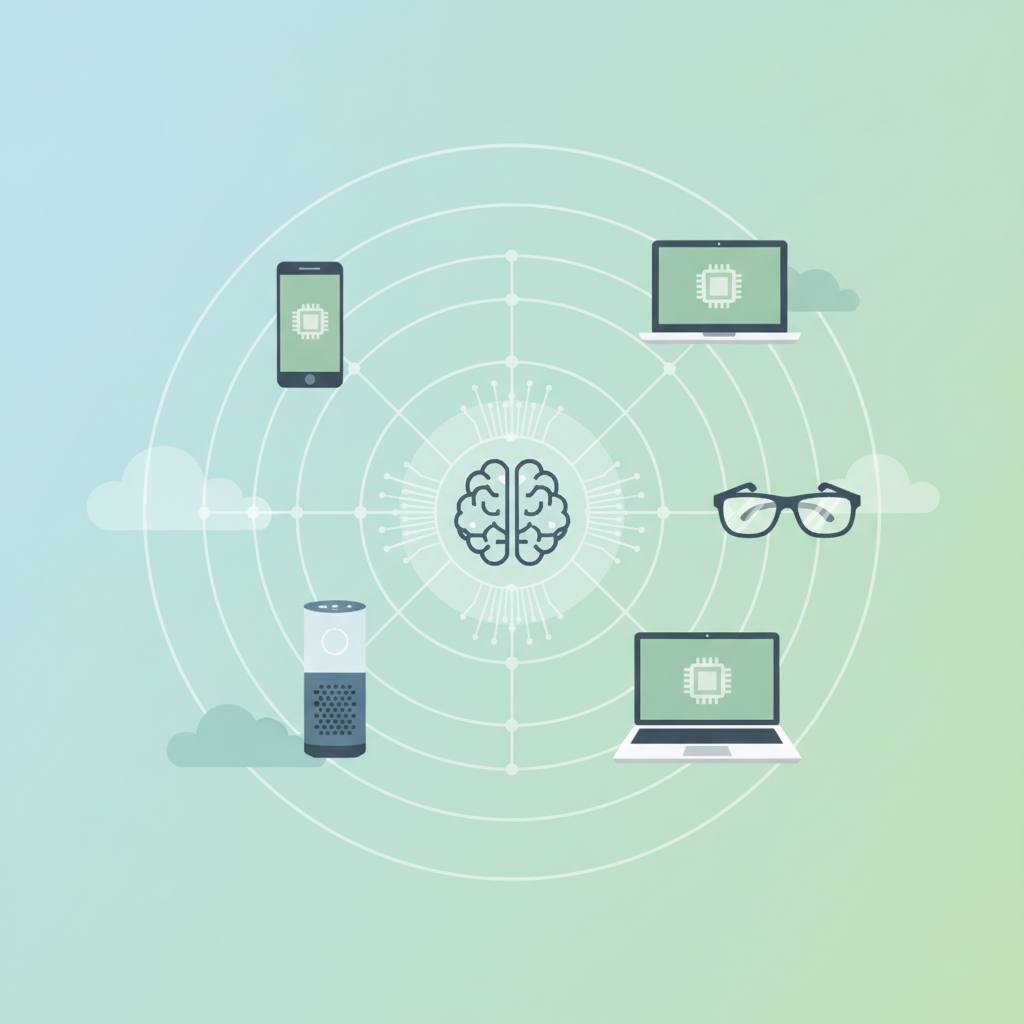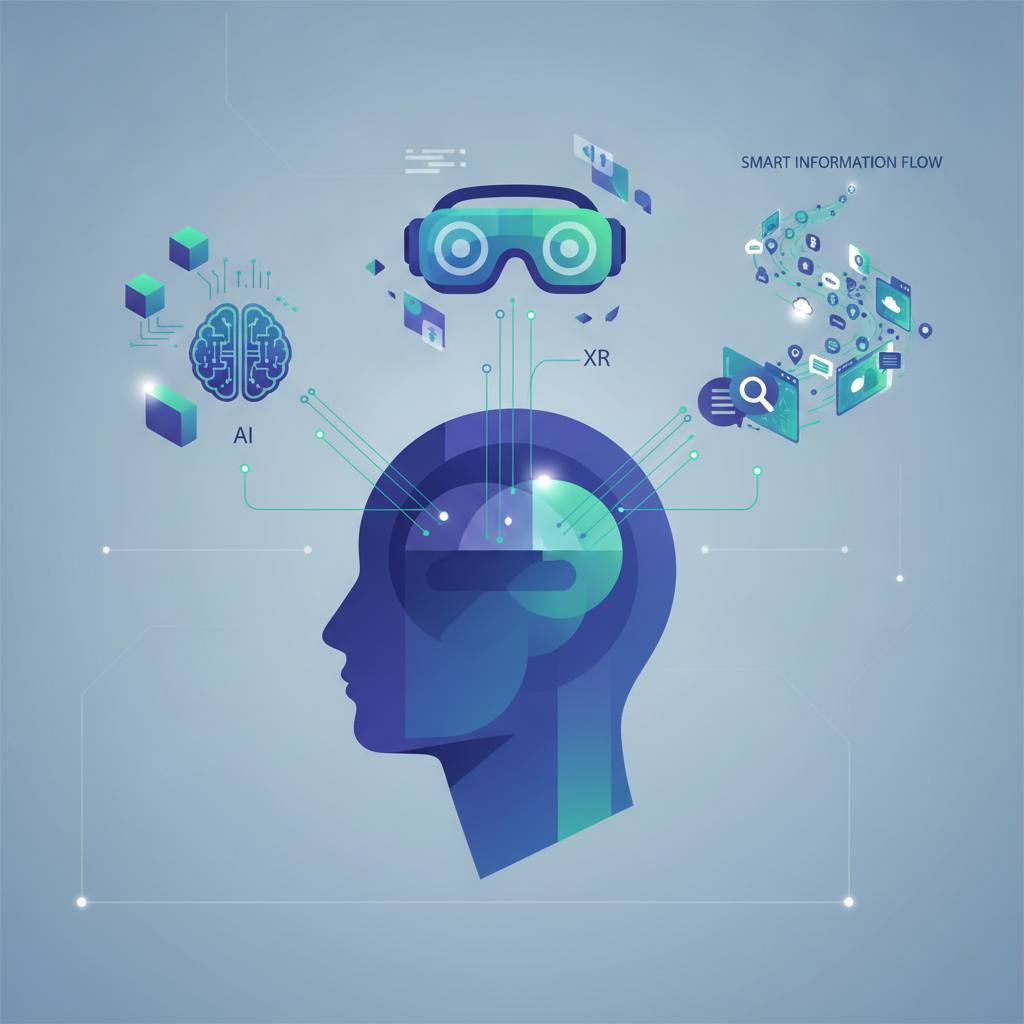
We'll soon see advanced AI and extended reality merge to deliver highly personalized digital experiences, powered by smart information feeds. Imagine a personal agent understanding your travel and news needs, presenting them to you via smart glasses.
Today's news suggests we're fast approaching a future where our digital interactions are far more personal and integrated than ever before. It won't just be about using technology; it will be an extension of ourselves that understands our needs. This trend is becoming clear across three key areas.
First, AI agents are making substantial leaps toward greater complexity. Imagine Airbnb working on an AI travel agent set to launch in 2027. This agent won't be a simple program for making a restaurant reservation. Instead, it will be capable of understanding the nuances of complex trip planning, from arranging accommodations to activities, tailored to your unique preferences. This tells us AI will soon move beyond routine tasks to manage more intricate aspects of our lives, offering truly personalized solutions.
Second, Extended Reality (XR) hardware is becoming increasingly accessible and integrated. The announcement of pre-orders for Samsung's Android XR glasses, with design assistance from Warby Parker, is a prime example. These aren't just new tech gadgets; they are entirely new interfaces for how we access information and interact with the digital world. These glasses will make personalized content available in a less intrusive, more immersive way, becoming a part of our daily attire. We'll wear our digital world rather than carry it in our pockets.
Third, efficient information feeds, like RSS and Atom, remain cornerstones for getting fresh, clean data. Even with all the advancements, many websites and services still use these feeds to deliver updates. As AI agents become smarter, their need for reliable, real-time information will grow. These feeds, offering quick updates with minimal overhead, will be the backbone upon which AI relies to make intelligent suggestions, whether for breaking news, job opportunities, or unmissable travel deals.
When these three elements — advanced AI, XR hardware, and smart information flows — converge, that's where the real transformation happens. Your personal AI agent, understanding your interests by perhaps monitoring information feeds, will begin to anticipate your needs. It could suggest a unique travel itinerary, just as Airbnb envisions, which you can then explore virtually or see dynamic updates for, all through your XR glasses. This won't just be about booking a trip; it will be about a complete, intuitive personal assistant that anticipates your requirements and presents them to you visually and intuitively.
This future means less searching and more experiencing. Our digital lives will become proactive, contextual, and seamlessly integrated into our daily physical reality through this new hardware. Expect seamless, predictive interactions that blur the lines between planning, information, and experience. The way we engage with information and the world around us will fundamentally change.