Autonomous systems use 'loops' to keep working, like a smart helper repeating tasks. But for these loops to operate safely and effectively with real-world tools, they need a special, secure 'playground' or environment to run in.
Imagine you have a super-smart assistant that doesn't just do one task, but can figure out what needs to be done next, execute it, check if it's right, and then keep going. This idea, called 'Loop Engineering,' is a big step in making AI systems truly helpful. Instead of you giving every single instruction, you design a system that keeps important work moving forward on its own.
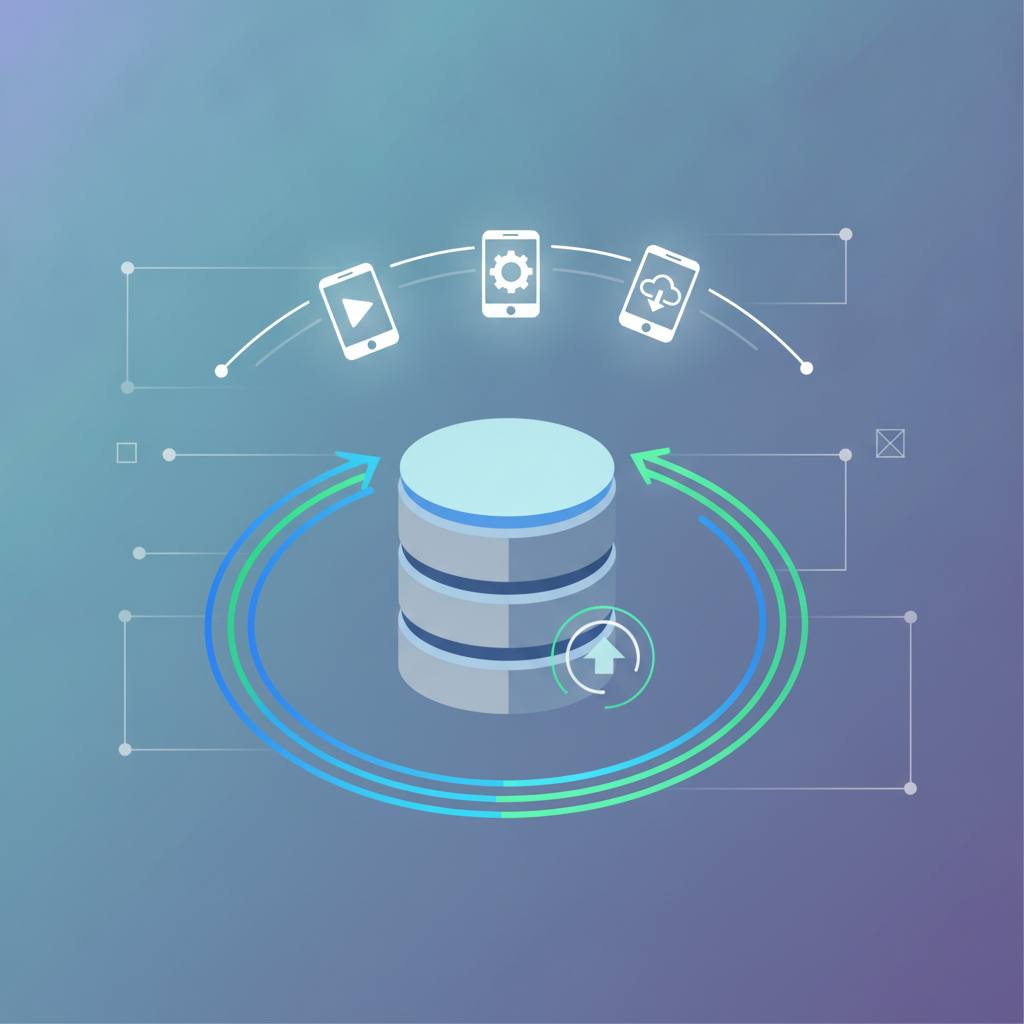
At its heart, a 'loop' in programming is simple: it's a set of instructions that repeats. Think of a recipe where you 'stir until smooth' – you keep stirring (the loop) until a condition is met. In Loop Engineering, this loop becomes much smarter. An AI agent might ask: 'Is there new work? Yes. Do the work. Check if it's good. Save the progress. What's next?' This constant cycle allows for automated, continuous operation, changing human involvement from minute-by-minute guidance to higher-level supervision.
This power, however, comes with a big question: how do we make sure these autonomous loops are safe? If an AI agent can write code, browse the internet, access files, or control other programs, what stops it from making a costly mistake or doing something unintended? This is where 'Runtime Infrastructure' becomes incredibly important.
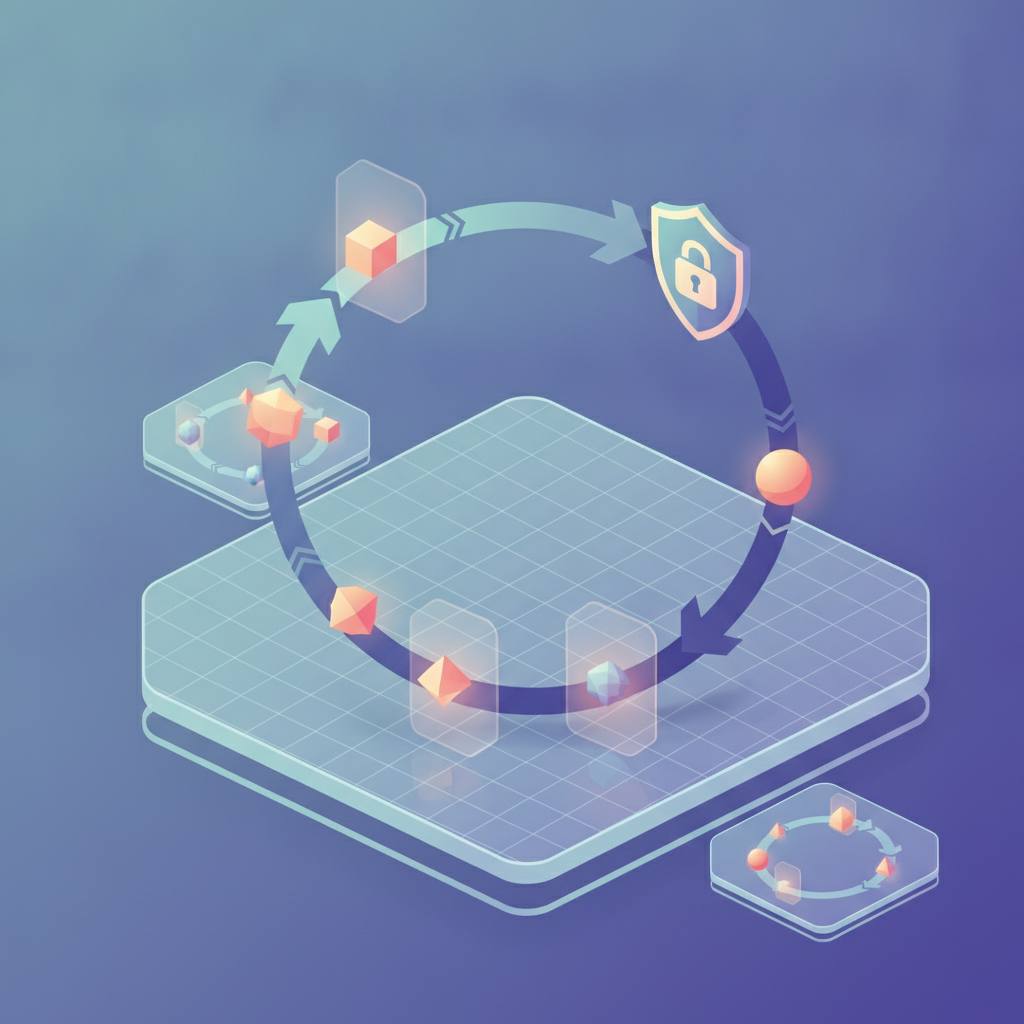
Think of Runtime Infrastructure as a secure, controlled 'playground' for your smart AI assistant. Just like you wouldn't let a child play with powerful tools unsupervised in your living room, you need a safe space for your AI. This playground provides:
1. **Isolation**: It keeps the agent's actions separate from your main computer systems, preventing accidental damage.
2. **Safe Permissions**: It only gives the agent access to the specific tools and files it absolutely needs, and nothing more.
3. **Clear Boundaries**: It defines what the agent can and cannot do, preventing it from wandering off-task or into sensitive areas.
4. **Cleanup and Reset**: After a task, the environment can be reset, ensuring a fresh start.
5. **Human Oversight**: Crucially, it provides ways for you to watch what the agent is doing, review its decisions, and step in to stop it if necessary.
Without this robust runtime infrastructure, an AI loop is just a very optimistic, potentially risky, automated retry machine. For these powerful AI loops to truly benefit us, they need a reliable, secure place to run, much like a skilled worker needs a well-equipped, safe factory.
At its heart, a 'loop' in programming is simple: it's a set of instructions that repeats. Think of a recipe where you 'stir until smooth' – you keep stirring (the loop) until a condition is met. In Loop Engineering, this loop becomes much smarter. An AI agent might ask: 'Is there new work? Yes. Do the work. Check if it's good. Save the progress. What's next?' This constant cycle allows for automated, continuous operation, changing human involvement from minute-by-minute guidance to higher-level supervision.
This power, however, comes with a big question: how do we make sure these autonomous loops are safe? If an AI agent can write code, browse the internet, access files, or control other programs, what stops it from making a costly mistake or doing something unintended? This is where 'Runtime Infrastructure' becomes incredibly important.
Think of Runtime Infrastructure as a secure, controlled 'playground' for your smart AI assistant. Just like you wouldn't let a child play with powerful tools unsupervised in your living room, you need a safe space for your AI. This playground provides:
1. **Isolation**: It keeps the agent's actions separate from your main computer systems, preventing accidental damage.
2. **Safe Permissions**: It only gives the agent access to the specific tools and files it absolutely needs, and nothing more.
3. **Clear Boundaries**: It defines what the agent can and cannot do, preventing it from wandering off-task or into sensitive areas.
4. **Cleanup and Reset**: After a task, the environment can be reset, ensuring a fresh start.
5. **Human Oversight**: Crucially, it provides ways for you to watch what the agent is doing, review its decisions, and step in to stop it if necessary.
Without this robust runtime infrastructure, an AI loop is just a very optimistic, potentially risky, automated retry machine. For these powerful AI loops to truly benefit us, they need a reliable, secure place to run, much like a skilled worker needs a well-equipped, safe factory.