Large websites like GitLab need to update their databases without interrupting service. This post explains why simple database changes can stop an application and how 'zero-downtime' methods keep everything running smoothly.
Have you ever wondered how big websites like GitLab manage to stay online 24/7, even when they're making major technical updates? A recent news item highlights their innovative approach to 'Zero-Downtime Database Migrations,' and it touches on a fascinating challenge in the world of technology.
Imagine a bustling public library. People are constantly checking out books, returning them, and browsing shelves. This library is like a database, and the books are your data. Now, imagine the library needs to add a completely new section for 'Future Technologies' or reorganize an existing shelf. If the librarian simply announced, 'Everyone out! We're reorganizing!' and locked the doors for an hour, that would cause a lot of inconvenience. For a website, this 'locking the doors' means your application stops working, users can't access anything, and business comes to a halt.
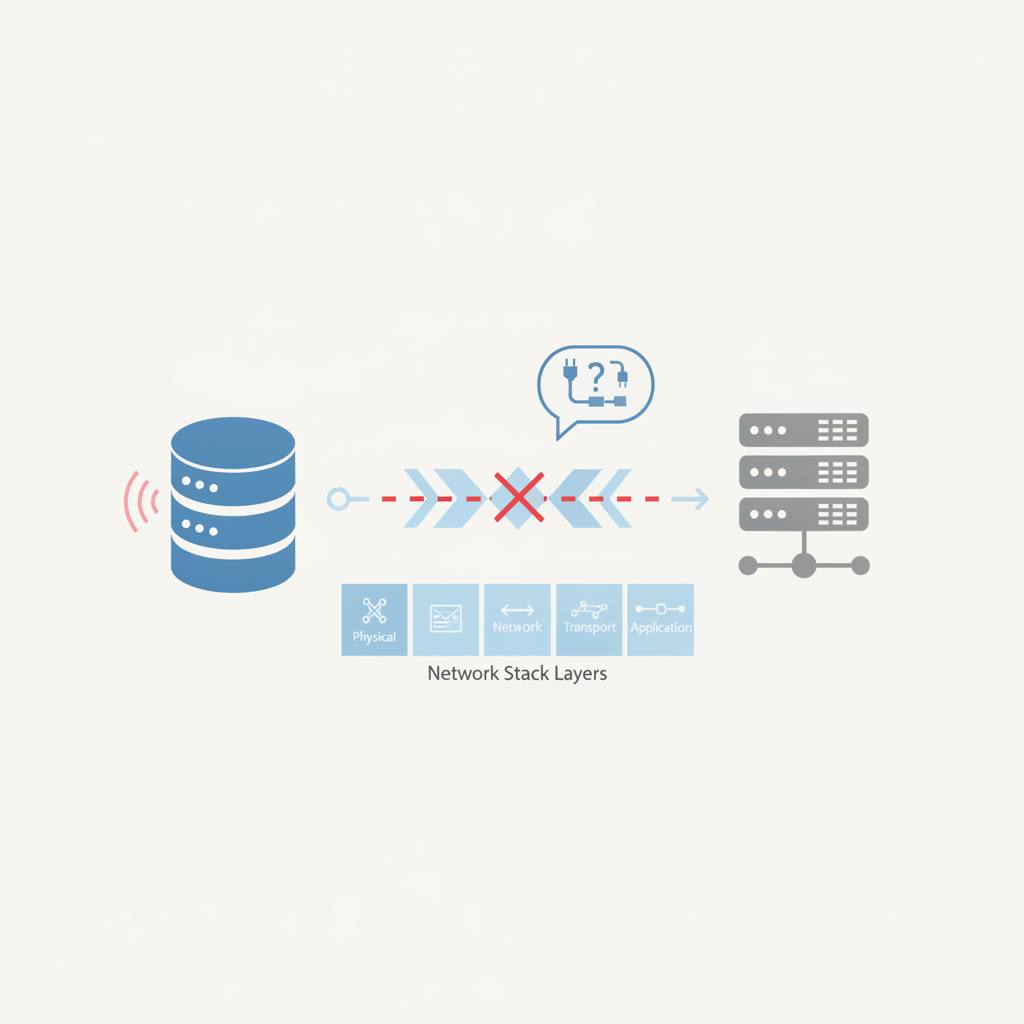
In the technical world, these 'reorganizations' are called database migrations or schema changes. They happen when a development team needs to add a new feature that requires a change to the database's structure – for example, adding a 'bio' field to a 'users' table, just like the news mentioned. When you make such a change, the database often needs to 'lock' parts of itself to ensure the change is made correctly without other operations interfering. Some locks are very disruptive; they might prevent anyone from reading or writing data to the affected part of the database. For a small, quiet database, this might be a blink-and-you-miss-it event. But for massive systems like GitLab, which handle billions of rows and thousands of operations every second, even a two-millisecond lock can create a huge backlog of waiting requests. It's like a tiny bottleneck that quickly causes a massive traffic jam.
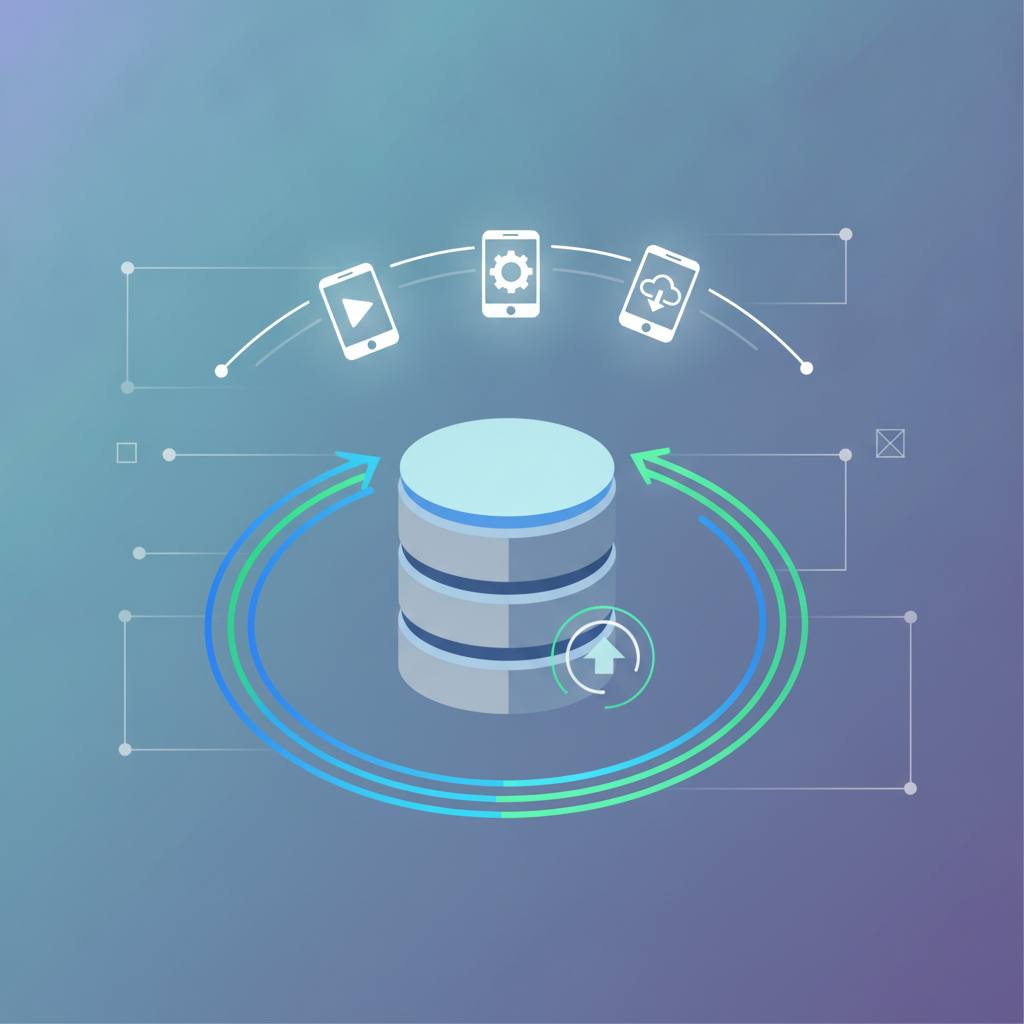
This is where 'zero-downtime' migrations come in. The goal is to make these crucial database changes without ever shutting down the application or noticeably interrupting user activity. It's about finding clever ways to rearrange the library shelves *while people are still browsing*. This often involves using special database commands that are designed to be less disruptive, or implementing multi-step processes that introduce changes gradually. For instance, creating a new index on a table usually requires a lock that blocks writes, but a 'CREATE INDEX CONCURRENTLY' command can do it without blocking regular data writes, keeping the application responsive.
In essence, zero-downtime migrations are about smart planning and using advanced techniques to ensure that essential backend updates don't translate into frustrating outages for users. It's a testament to the engineering required to keep our favorite online services running smoothly, all the time.
Imagine a bustling public library. People are constantly checking out books, returning them, and browsing shelves. This library is like a database, and the books are your data. Now, imagine the library needs to add a completely new section for 'Future Technologies' or reorganize an existing shelf. If the librarian simply announced, 'Everyone out! We're reorganizing!' and locked the doors for an hour, that would cause a lot of inconvenience. For a website, this 'locking the doors' means your application stops working, users can't access anything, and business comes to a halt.
In the technical world, these 'reorganizations' are called database migrations or schema changes. They happen when a development team needs to add a new feature that requires a change to the database's structure – for example, adding a 'bio' field to a 'users' table, just like the news mentioned. When you make such a change, the database often needs to 'lock' parts of itself to ensure the change is made correctly without other operations interfering. Some locks are very disruptive; they might prevent anyone from reading or writing data to the affected part of the database. For a small, quiet database, this might be a blink-and-you-miss-it event. But for massive systems like GitLab, which handle billions of rows and thousands of operations every second, even a two-millisecond lock can create a huge backlog of waiting requests. It's like a tiny bottleneck that quickly causes a massive traffic jam.
This is where 'zero-downtime' migrations come in. The goal is to make these crucial database changes without ever shutting down the application or noticeably interrupting user activity. It's about finding clever ways to rearrange the library shelves *while people are still browsing*. This often involves using special database commands that are designed to be less disruptive, or implementing multi-step processes that introduce changes gradually. For instance, creating a new index on a table usually requires a lock that blocks writes, but a 'CREATE INDEX CONCURRENTLY' command can do it without blocking regular data writes, keeping the application responsive.
In essence, zero-downtime migrations are about smart planning and using advanced techniques to ensure that essential backend updates don't translate into frustrating outages for users. It's a testament to the engineering required to keep our favorite online services running smoothly, all the time.