Learn how choosing the right AI model for each task, based on its complexity and cost, can lead to significant savings and smarter resource use, just like picking the right restaurant for the occasion.
Imagine you're building an application powered by Artificial Intelligence. The latest news about OpenAI's GPT-5.6 models—Sol, Terra, and Luna—highlights a crucial point: not all AI models are created equal, especially when it comes to cost. Sol is designed for complex, high-consequence reasoning and is the most expensive. Terra handles everyday production work at a moderate price. Luna is for high-volume, well-specified jobs and is the most affordable. Using Sol for every simple task would quickly drain your budget, costing significantly more than Luna for the same basic job.
This brings us to a powerful concept called 'Cost-Aware Routing' or, more simply, 'Smart Model Selection.' It's about making intelligent decisions on *which* AI model to use for *which* specific task. Think of it like choosing a restaurant. If you're celebrating a very special occasion, you might go to a fancy, expensive gourmet restaurant (like Sol). For a casual dinner with friends, a comfortable mid-range bistro is perfect (like Terra). But if you just need a quick, simple bite on the go, a fast-food joint is the most sensible and cost-effective choice (like Luna). You wouldn't order a gourmet meal every single day if a simple, affordable option suffices.
In the world of AI, many tasks don't require the 'Michelin-star' level of processing that an expensive model like Sol offers. A simple data extraction, a quick translation, or a summary of a well-structured document might be perfectly handled by Luna, saving you a substantial amount of money. The trick is to identify the 'kind of uncertainty the model must resolve.' Is it a highly ambiguous problem needing deep thought, or a straightforward query?
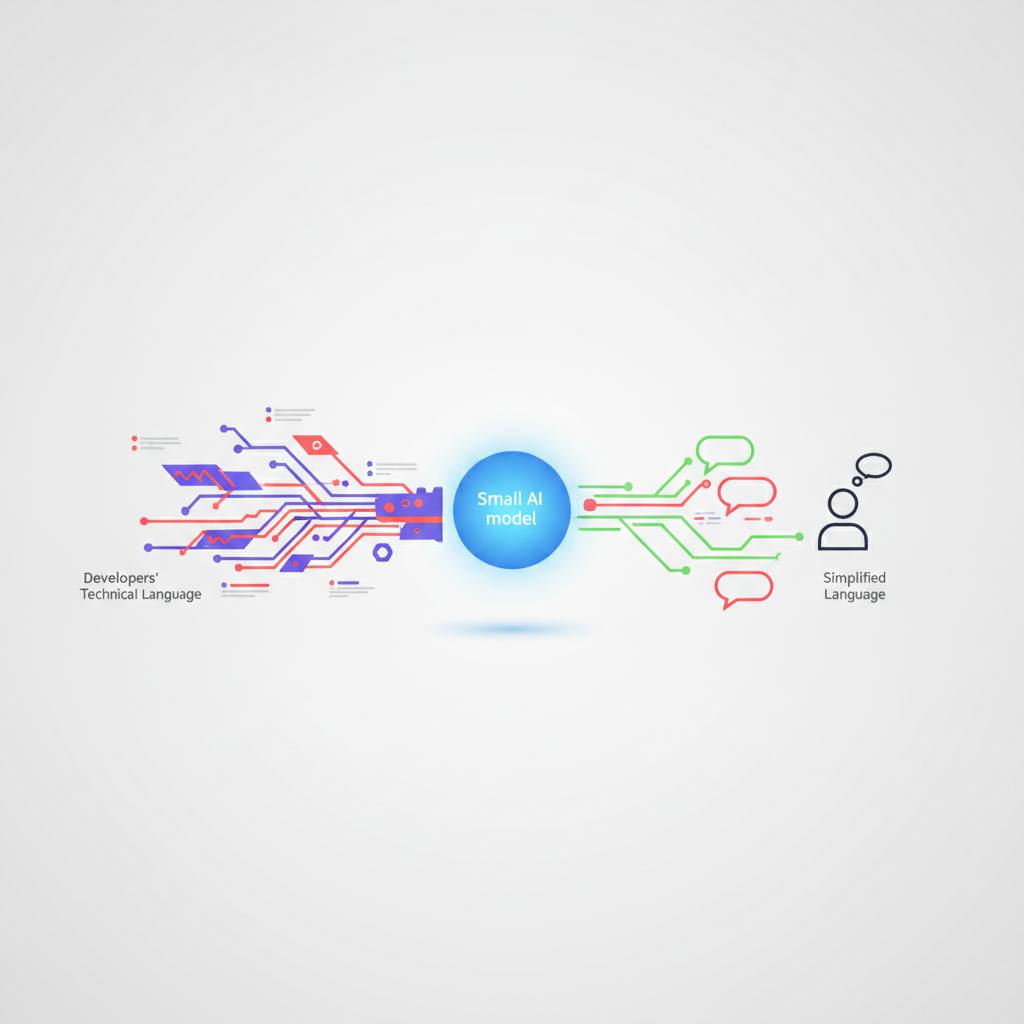
By integrating a 'router' into your system—which essentially acts as a smart traffic controller—your application can automatically direct each request to the most appropriate and cost-efficient AI model. This means complex tasks go to Sol, standard tasks to Terra, and simple, high-volume tasks to Luna. This strategy not only optimizes your spending but also ensures you're using your computational resources wisely. Making smart choices in AI isn't just about getting the best results; it's also about building sustainable and affordable solutions.
This brings us to a powerful concept called 'Cost-Aware Routing' or, more simply, 'Smart Model Selection.' It's about making intelligent decisions on *which* AI model to use for *which* specific task. Think of it like choosing a restaurant. If you're celebrating a very special occasion, you might go to a fancy, expensive gourmet restaurant (like Sol). For a casual dinner with friends, a comfortable mid-range bistro is perfect (like Terra). But if you just need a quick, simple bite on the go, a fast-food joint is the most sensible and cost-effective choice (like Luna). You wouldn't order a gourmet meal every single day if a simple, affordable option suffices.
In the world of AI, many tasks don't require the 'Michelin-star' level of processing that an expensive model like Sol offers. A simple data extraction, a quick translation, or a summary of a well-structured document might be perfectly handled by Luna, saving you a substantial amount of money. The trick is to identify the 'kind of uncertainty the model must resolve.' Is it a highly ambiguous problem needing deep thought, or a straightforward query?
By integrating a 'router' into your system—which essentially acts as a smart traffic controller—your application can automatically direct each request to the most appropriate and cost-efficient AI model. This means complex tasks go to Sol, standard tasks to Terra, and simple, high-volume tasks to Luna. This strategy not only optimizes your spending but also ensures you're using your computational resources wisely. Making smart choices in AI isn't just about getting the best results; it's also about building sustainable and affordable solutions.