Learn why securely monitoring internal company systems is crucial, and how valuable insights can be gained without exposing sensitive data.
Have you ever wondered how engineers keep an eye on the performance of their complex software, like those powering AI systems, without revealing their inner workings or putting them at risk? This is a significant challenge for companies, as seen in the news about building a «secure observability pipeline» for an AI evaluation platform.
Imagine you own a super-secret restaurant that prepares unique dishes using confidential recipes and expensive ingredients. You need to know if the chefs are working efficiently, how many dishes are being prepared, and if there are any issues in the kitchen. But you absolutely don't want any stranger walking into your secret kitchen to see your recipes, tamper with ingredients, or even steal them.
In the world of computers, this 'secret kitchen' is the computer server or 'virtual machine' (VM) where your software runs, including its sensitive data and passwords. And 'knowing what's happening' is what we call "Observability." Observability means understanding what's happening inside a complex system by examining the data it outputs, like logs, activity traces, and performance metrics.
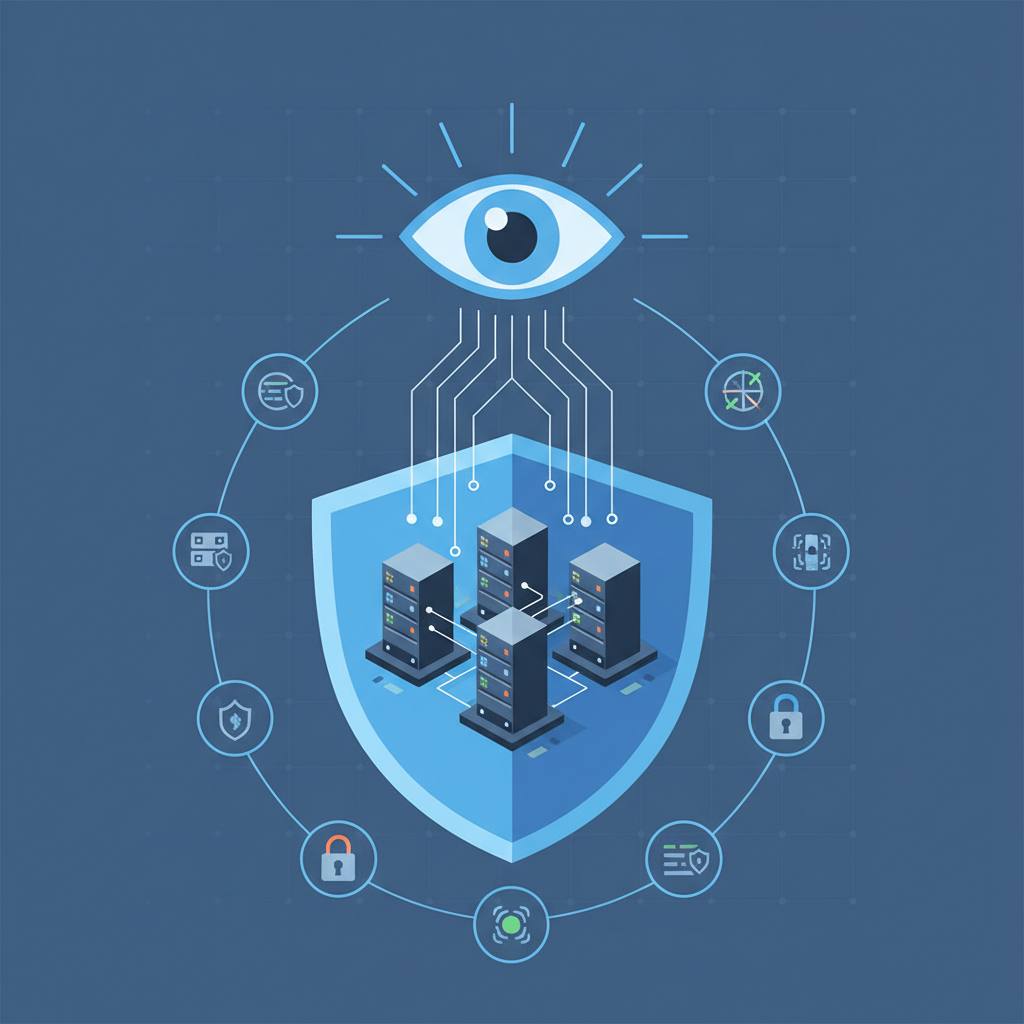
To solve the secret kitchen problem, instead of inviting people in, you might install security cameras and sensors. These cameras send video and sensor data to a secure viewing screen in your private office. No one sees the kitchen directly, but you know everything that's happening. This is exactly what companies do with their digital systems.
They build a secure path:
1. **Secure Entry Point:** When a team member wants to see the data, they use their web browser. But they don't connect directly to the server; instead, they connect to a protected public entry point.
2. **Identity Verification:** To access this point, the member must prove their identity, often using a one-time passcode sent to their approved company email.
3. **Secret Tunnel:** Once verified, a special, secure 'tunnel' (like Cloudflare Tunnel) is established between the public entry point and the internal server. This tunnel is often outbound-only from the server, meaning the server cannot be directly accessed from the internet.
4. **Gatekeeper:** Before data leaves the server through the tunnel, a 'gatekeeper' program (like a Caddy reverse proxy) or a 'data collector' (like an OpenTelemetry Collector) can ensure that the data being sent is safe and potentially redact any sensitive information.
5. **Viewing Screen:** Finally, the clean, secure data appears on an interface in the member's browser, allowing the team to monitor the AI system's performance without exposing its actual infrastructure.
This way, teams can get the insights they need for improvement and development, while maintaining absolute security for their internal systems. It's like knowing everything about your secret kitchen without revealing any of its secrets.
Imagine you own a super-secret restaurant that prepares unique dishes using confidential recipes and expensive ingredients. You need to know if the chefs are working efficiently, how many dishes are being prepared, and if there are any issues in the kitchen. But you absolutely don't want any stranger walking into your secret kitchen to see your recipes, tamper with ingredients, or even steal them.
In the world of computers, this 'secret kitchen' is the computer server or 'virtual machine' (VM) where your software runs, including its sensitive data and passwords. And 'knowing what's happening' is what we call "Observability." Observability means understanding what's happening inside a complex system by examining the data it outputs, like logs, activity traces, and performance metrics.
To solve the secret kitchen problem, instead of inviting people in, you might install security cameras and sensors. These cameras send video and sensor data to a secure viewing screen in your private office. No one sees the kitchen directly, but you know everything that's happening. This is exactly what companies do with their digital systems.
They build a secure path:
1. **Secure Entry Point:** When a team member wants to see the data, they use their web browser. But they don't connect directly to the server; instead, they connect to a protected public entry point.
2. **Identity Verification:** To access this point, the member must prove their identity, often using a one-time passcode sent to their approved company email.
3. **Secret Tunnel:** Once verified, a special, secure 'tunnel' (like Cloudflare Tunnel) is established between the public entry point and the internal server. This tunnel is often outbound-only from the server, meaning the server cannot be directly accessed from the internet.
4. **Gatekeeper:** Before data leaves the server through the tunnel, a 'gatekeeper' program (like a Caddy reverse proxy) or a 'data collector' (like an OpenTelemetry Collector) can ensure that the data being sent is safe and potentially redact any sensitive information.
5. **Viewing Screen:** Finally, the clean, secure data appears on an interface in the member's browser, allowing the team to monitor the AI system's performance without exposing its actual infrastructure.
This way, teams can get the insights they need for improvement and development, while maintaining absolute security for their internal systems. It's like knowing everything about your secret kitchen without revealing any of its secrets.