AI coding tools are powerful assistants, but their speed can hide errors that look perfectly correct. The real skill is knowing when to question AI’s answers and verify its work to prevent hidden problems.
The world of coding has changed dramatically. Everywhere you look, there are AI tools ready to help you write code, explain complex parts, and even find bugs. It's like having a super-fast technical assistant who can generate tedious code, propose clever refactors, and suggest solutions before you finish your coffee. These tools are fantastic for reducing friction and speeding up development.
But here’s the tricky part, and it's something every new coder needs to understand: AI tools are incredibly good at producing answers that 'look' right. The code is clean, the explanations sound confident, and everything seems to make perfect sense. This speed and apparent perfection can be a trap. A solution might seem complete and correct, but it could silently introduce problems that are hard to spot.
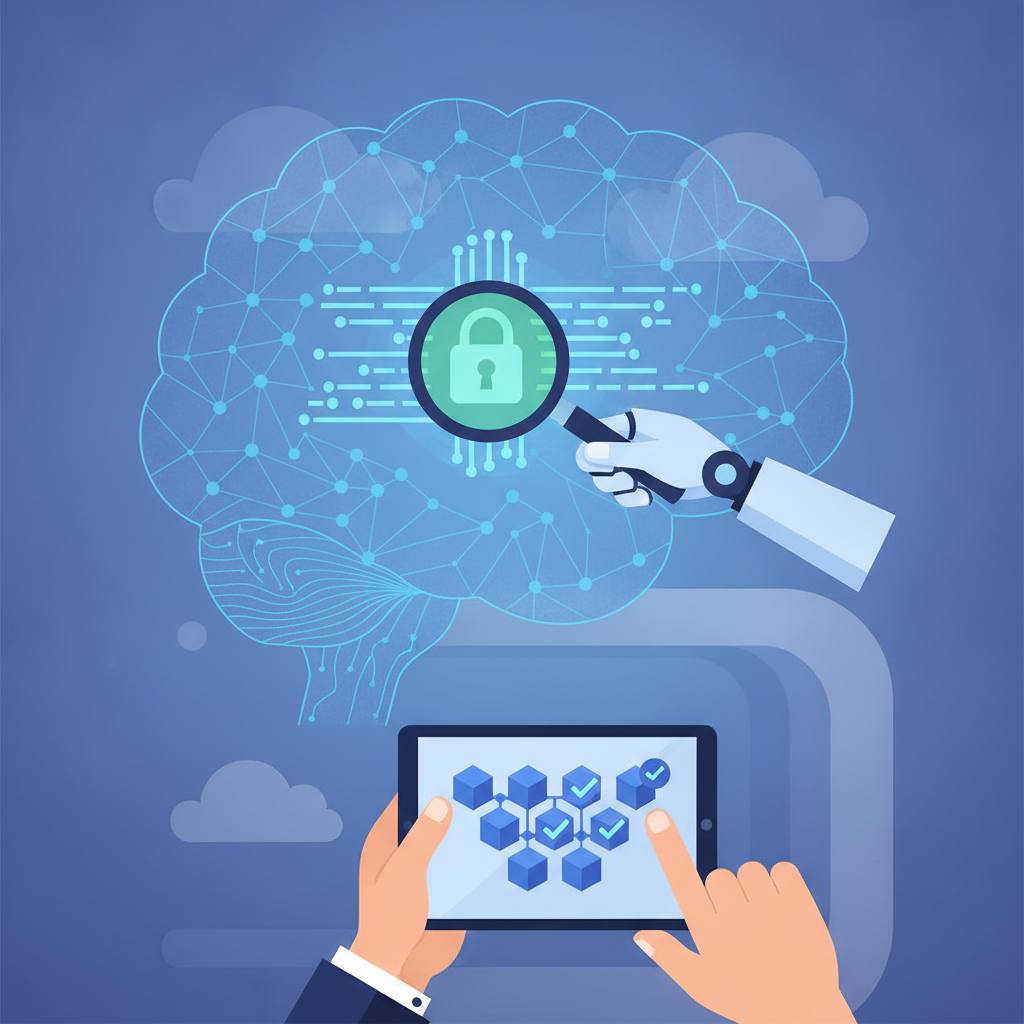
Think of AI as a brilliant, very confident student who sometimes 'hallucinates' or misunderstands subtle details. It might invent an API method that doesn't exist, use an outdated configuration, or completely miss a crucial security check. The most dangerous failures aren’t the ones that immediately crash your application – those are easy to fix. The really dangerous ones appear to work perfectly, like a security change that lets valid users in but accidentally bypasses an important authorization step. Or a database update that succeeds on an empty test database but breaks with real customer data.
This is where human judgment becomes irreplaceable. AI can't truly understand the bigger picture, the specific business needs, or the nuances of your project's security. It doesn't 'know' the consequences of its suggestions in the same way a human developer does. Your role isn't just to use AI; it's to critically evaluate its output.
So, how do you use AI coding tools wisely? Treat them as powerful collaborators, not infallible experts. Always verify their suggestions, especially for critical components, security logic, or complex algorithms. Test the code rigorously, understand 'why' AI proposed a certain solution, and be ready to correct its plausible but sometimes flawed answers. The future of coding isn't about letting AI take over; it's about mastering the art of working 'with' AI, guided by your own expertise and critical thinking.
But here’s the tricky part, and it's something every new coder needs to understand: AI tools are incredibly good at producing answers that 'look' right. The code is clean, the explanations sound confident, and everything seems to make perfect sense. This speed and apparent perfection can be a trap. A solution might seem complete and correct, but it could silently introduce problems that are hard to spot.
Think of AI as a brilliant, very confident student who sometimes 'hallucinates' or misunderstands subtle details. It might invent an API method that doesn't exist, use an outdated configuration, or completely miss a crucial security check. The most dangerous failures aren’t the ones that immediately crash your application – those are easy to fix. The really dangerous ones appear to work perfectly, like a security change that lets valid users in but accidentally bypasses an important authorization step. Or a database update that succeeds on an empty test database but breaks with real customer data.
This is where human judgment becomes irreplaceable. AI can't truly understand the bigger picture, the specific business needs, or the nuances of your project's security. It doesn't 'know' the consequences of its suggestions in the same way a human developer does. Your role isn't just to use AI; it's to critically evaluate its output.
So, how do you use AI coding tools wisely? Treat them as powerful collaborators, not infallible experts. Always verify their suggestions, especially for critical components, security logic, or complex algorithms. Test the code rigorously, understand 'why' AI proposed a certain solution, and be ready to correct its plausible but sometimes flawed answers. The future of coding isn't about letting AI take over; it's about mastering the art of working 'with' AI, guided by your own expertise and critical thinking.