Ever wondered how AI gateways handle thousands of requests without breaking a sweat? It's thanks to a smart design called the control plane and data plane split, which makes your AI apps faster and more reliable.
Ever wondered how the AI applications you use every day manage to respond so quickly and reliably, even when thousands of people are using them at once? The secret lies in something called an AI gateway, and specifically, how its 'control plane' and 'data plane' work together. This split might sound technical, but understanding it helps us appreciate why our AI tools perform so well, and what it means for you: smoother, faster, and more dependable AI experiences.
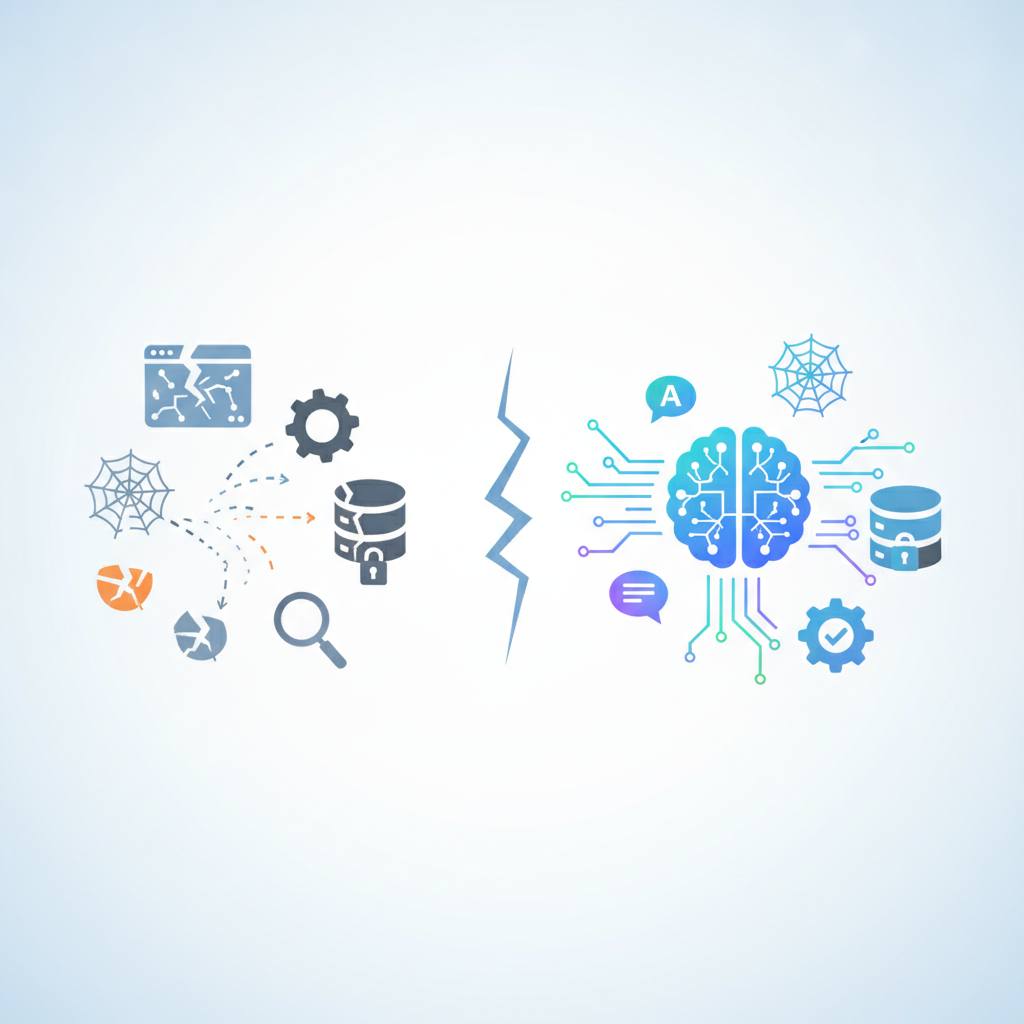
Think of an AI gateway as the intelligent traffic controller for all your AI models. Most of us imagine it as a single point that sends our requests to different AI models. While that's true on the surface, the real magic—and the reason it can handle intense production environments—is in its internal design. This clever separation isn't new; network devices and other complex systems have used it for years. It solves a crucial problem: you want to manage everything centrally and conveniently, but you don't want that management system to slow down every single request.
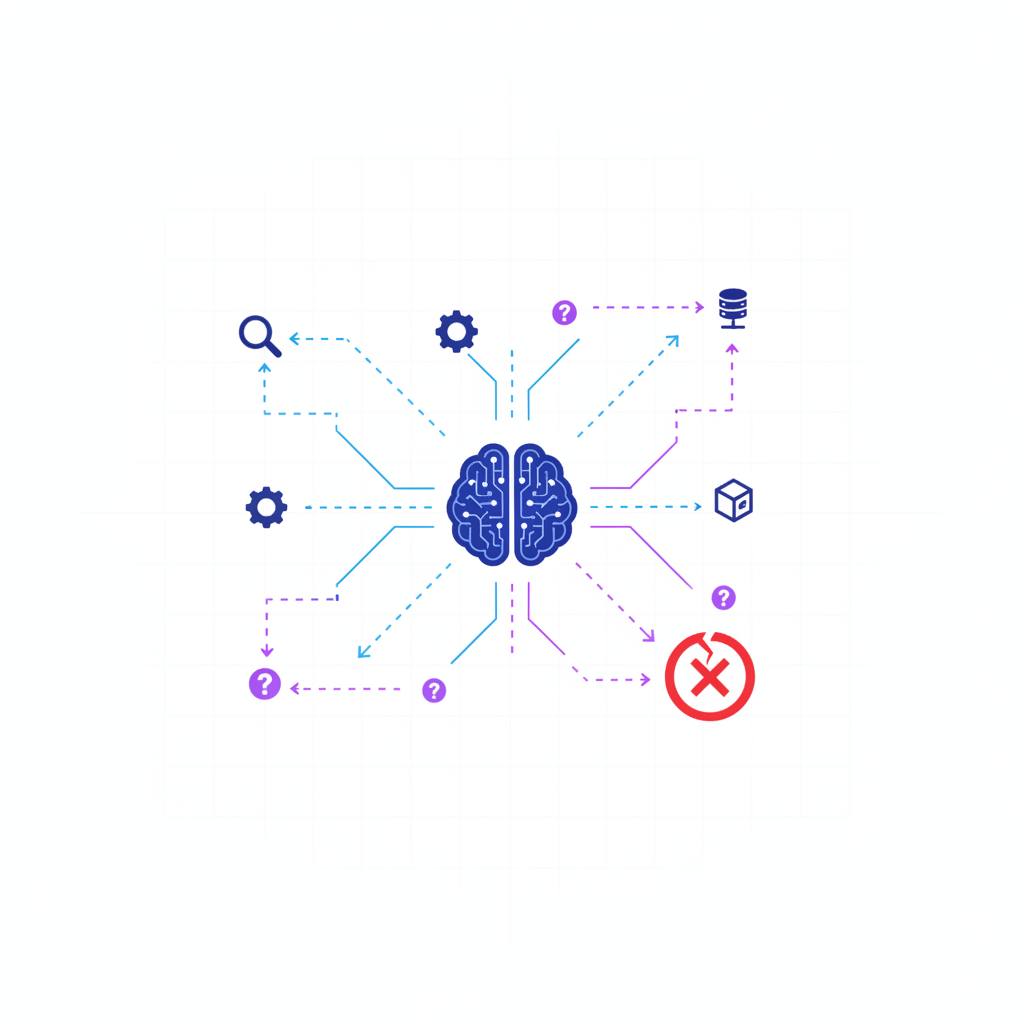
So, what exactly are these two 'planes'? The 'control plane' is where all the big decisions are made and configured. Imagine it as the operations center. It stores all the rules: who can access which AI models, how much budget is allocated, security policies, and even how to route your requests. It sets the stage for how your AI traffic should be handled.
The 'data plane', on the other hand, is where these decisions are actually put into action. This is the part that sits directly in the path of your request. When your application sends a query—say, asking a chatbot a question—it talks directly to the data plane. The data plane already has all the necessary configuration rules loaded into its memory, thanks to the control plane. It quickly applies these rules, forwards your request to the right AI model, and then sends the response back to you.
The key advantage here is speed and resilience. Because only the data plane processes your live requests, and it already has its instructions, it can act immediately without needing to consult the control plane every single time. This dramatically reduces latency, making AI responses feel almost instant. It also means that even if something happens to the control plane (like an update or maintenance), your everyday AI interactions continue uninterrupted because the data plane keeps enforcing its existing rules. For developers and businesses, this distinction is vital. It means they can build AI systems that are not just powerful, but also incredibly fast, reliable, and secure, ensuring a consistent and high-quality experience for everyone.