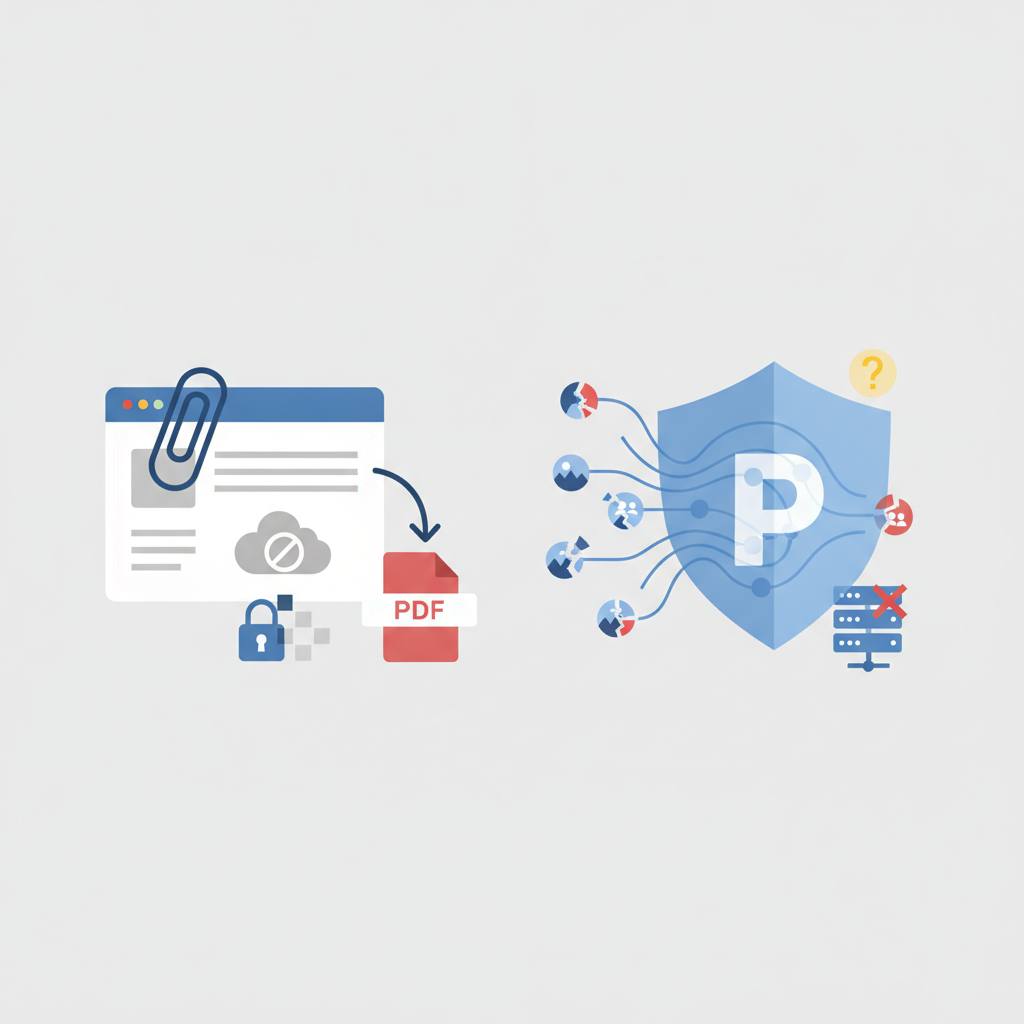
When using email APIs for critical tasks like password resets or sending game reports, it's crucial for your application to stay in charge of security, data, and retries. This approach ensures your system remains robust and secure, sending only minimal, necessary information to the email service.
If you’re building an app that sends emails for things like password resets or gaming reports, here’s a crucial tip: your application should always be the boss. What this means for you is greater control over your system’s security and data, making your app more reliable and easier to maintain in the long run.
When integrating with an email API, don't let it take over important decisions. Instead, choose an API that allows your Node.js application to handle critical aspects like authorization, attachments, and managing retries if an email fails to send. The email API’s main job should just be to handle the 'look' of the email, not its sensitive content or who gets it.
For example, when someone requests a password reset, your application should generate that unique, temporary reset link and decide exactly who receives it. You don't want the email service to know details about your users or their security tokens. Similarly, if you’re sending a gaming report, your app should decide which game data is safe to share, generate the report file, and then attach it to the email. The email API just needs to know 'what' to attach and 'how' to present it nicely.
The key is to send only tiny, explicit pieces of information to the email API. Think of it as giving precise instructions: for a password reset, just send the 'resetUrl', how long it’s valid ('expiresInMinutes'), and the 'productName'. For a report, send the 'matchName', the 'winner', and the 'reportFilename'. This keeps things clear and prevents accidental data leaks, ensuring your user's information stays private.
By keeping the integration 'boring' – meaning simple and predictable – you create a clear boundary. Your application focuses on the important business logic and security, while the email API focuses solely on delivering a beautifully formatted message. This separation makes your code easier to test, troubleshoot, and update without worrying about breaking your email service. It’s about smart integration, not cramming features into one place.