Modern businesses store data everywhere. A Data Fabric is like a smart roadmap that helps companies connect all their scattered information, making it easier to find, use, and manage securely for smarter decisions.
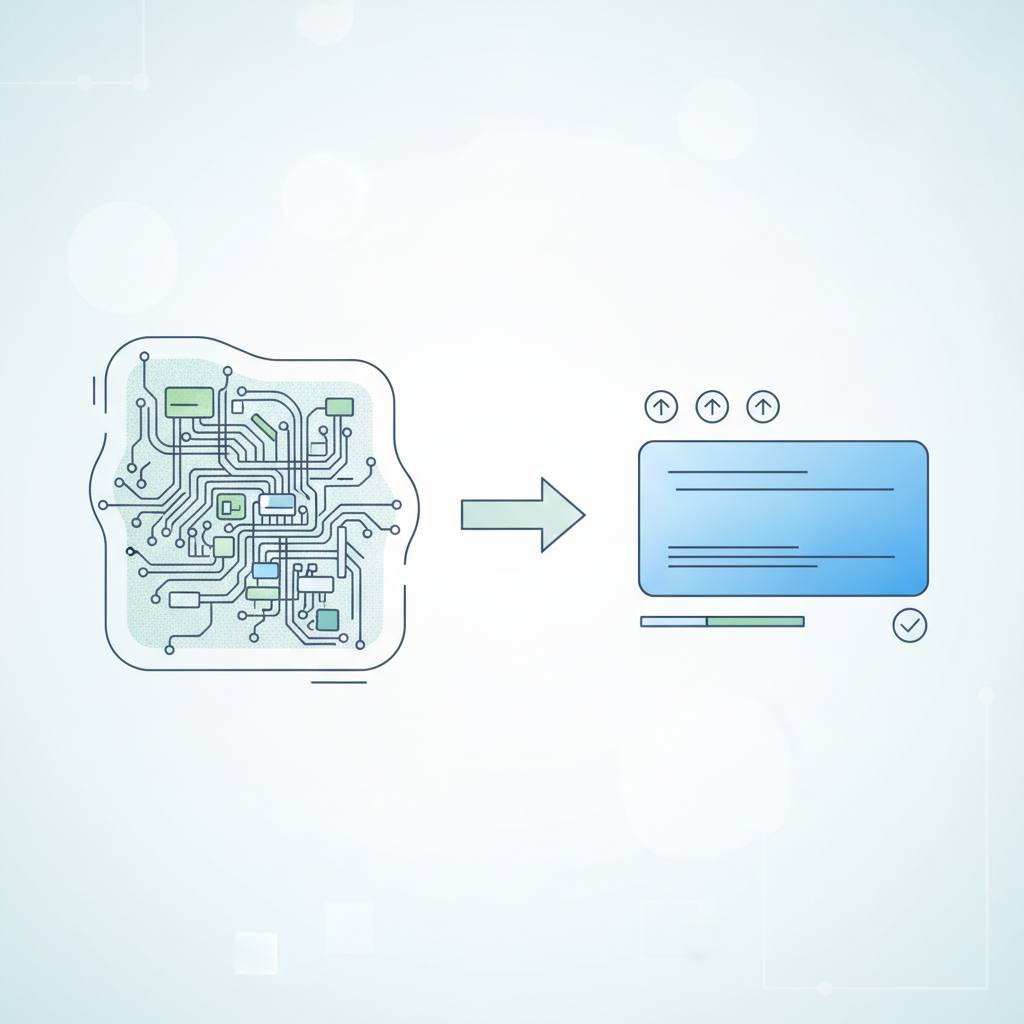
Did you hear the news about AWS and 'Data Fabric'? It sounds technical, but it addresses a problem many businesses face today: their valuable information is everywhere! Think about a large online store. They have customer details in one system, product catalogs in another, sales records in a third, and website visitor data flowing constantly. Each piece of data is useful, but getting them to 'talk' to each other is a huge challenge. Teams often end up building custom connections, which is slow and messy.
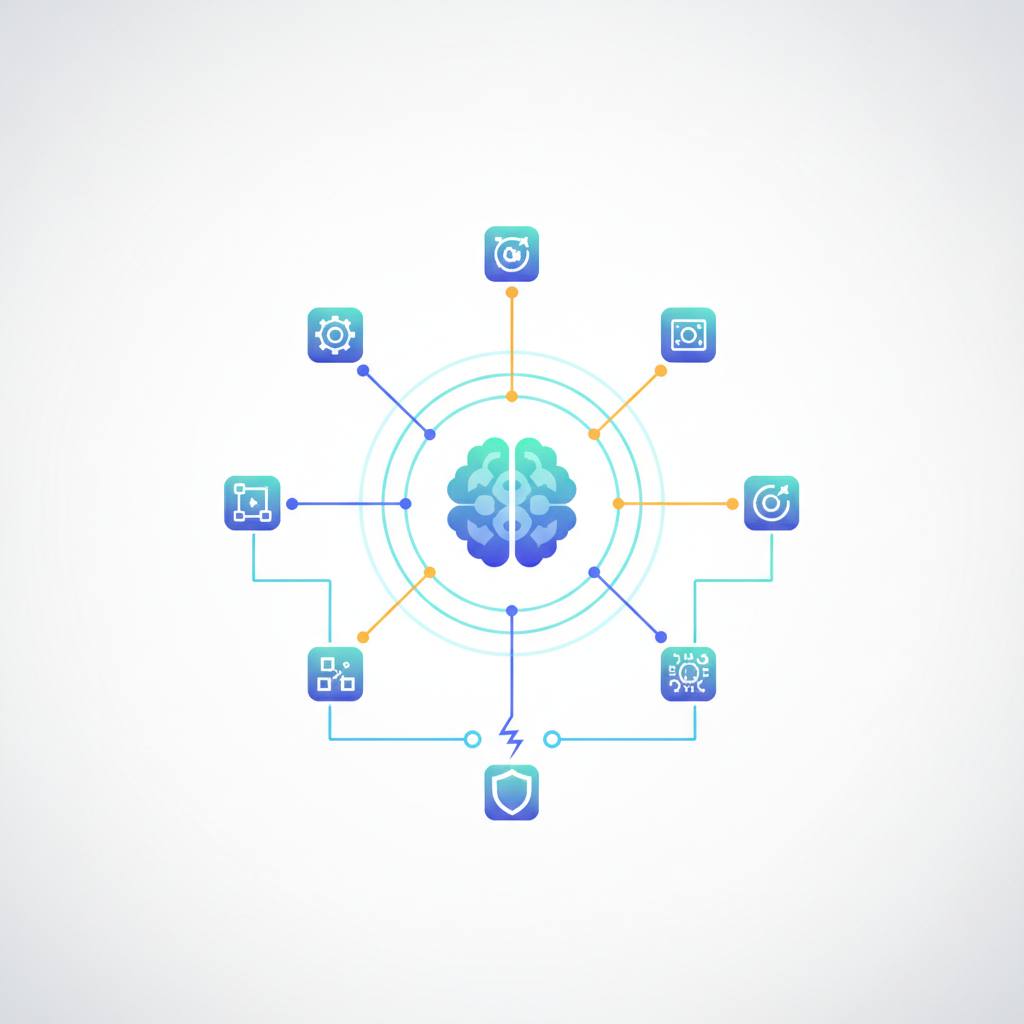
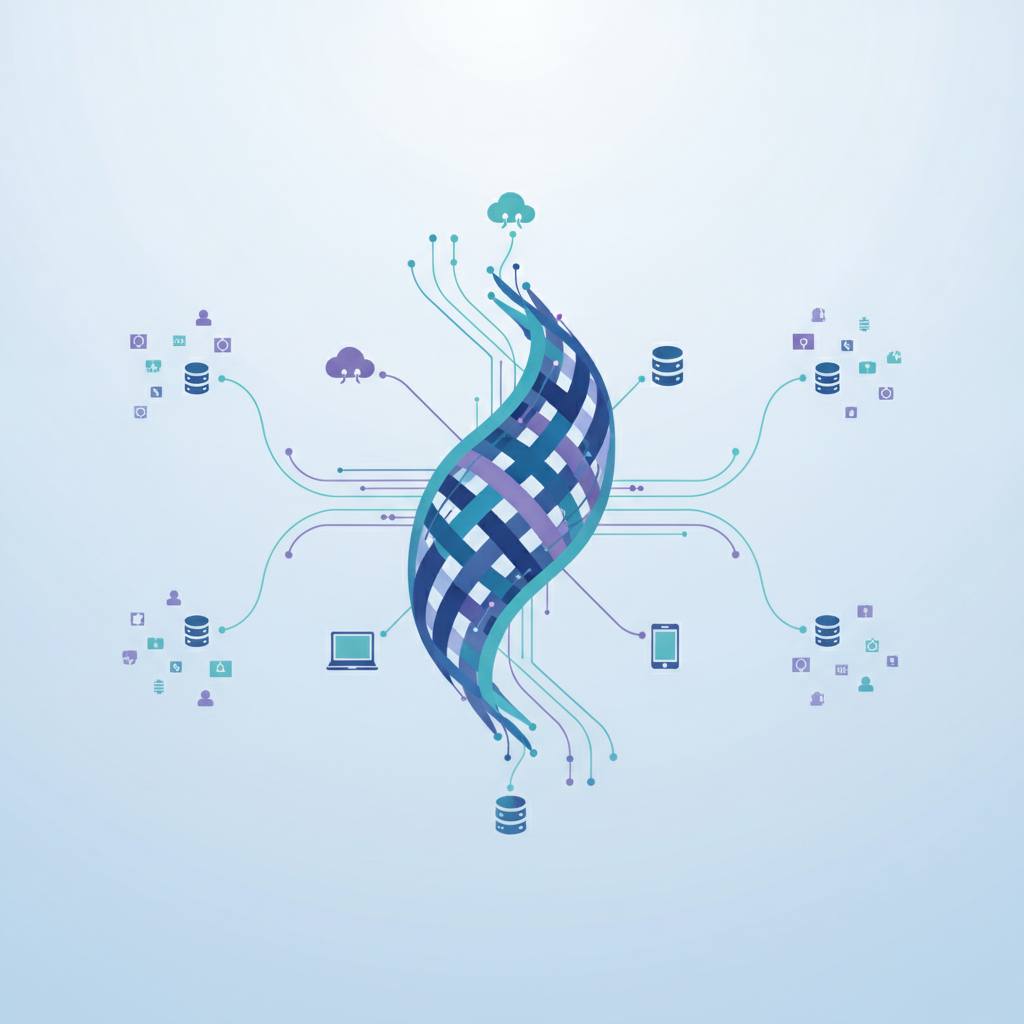
This is where the 'Data Fabric' comes in. Imagine it not as a single product, but as a smart, overall plan or blueprint for how all your company's information should be connected. It's like building a universal library system for 'all' the books in 'all' the different departments of a university, no matter which building they're in or what format they are. A Data Fabric helps by doing a few key things:
1. **Connecting:** It creates a way to link all those separate data sources, whether they're in old databases, new cloud storage, or live data streams.
2. **Cataloging:** It keeps a central 'map' or 'catalog' of all your data. This map tells you what data you have, where it is, and what it means. No more guessing!
3. **Governing:** It sets clear rules for who can access what data and how it should be used, ensuring security and compliance.
4. **Enabling:** Once connected, cataloged, and governed, your data becomes much easier to use for important tasks, like running reports, finding trends with analytics, or powering smart AI applications to serve customers better.
Instead of each team building its own isolated solution, a Data Fabric provides a consistent, organized way to manage all information. This means less wasted effort, more reliable data, and the power to make faster, smarter decisions for your business. It transforms a messy collection of data into a unified, powerful resource.