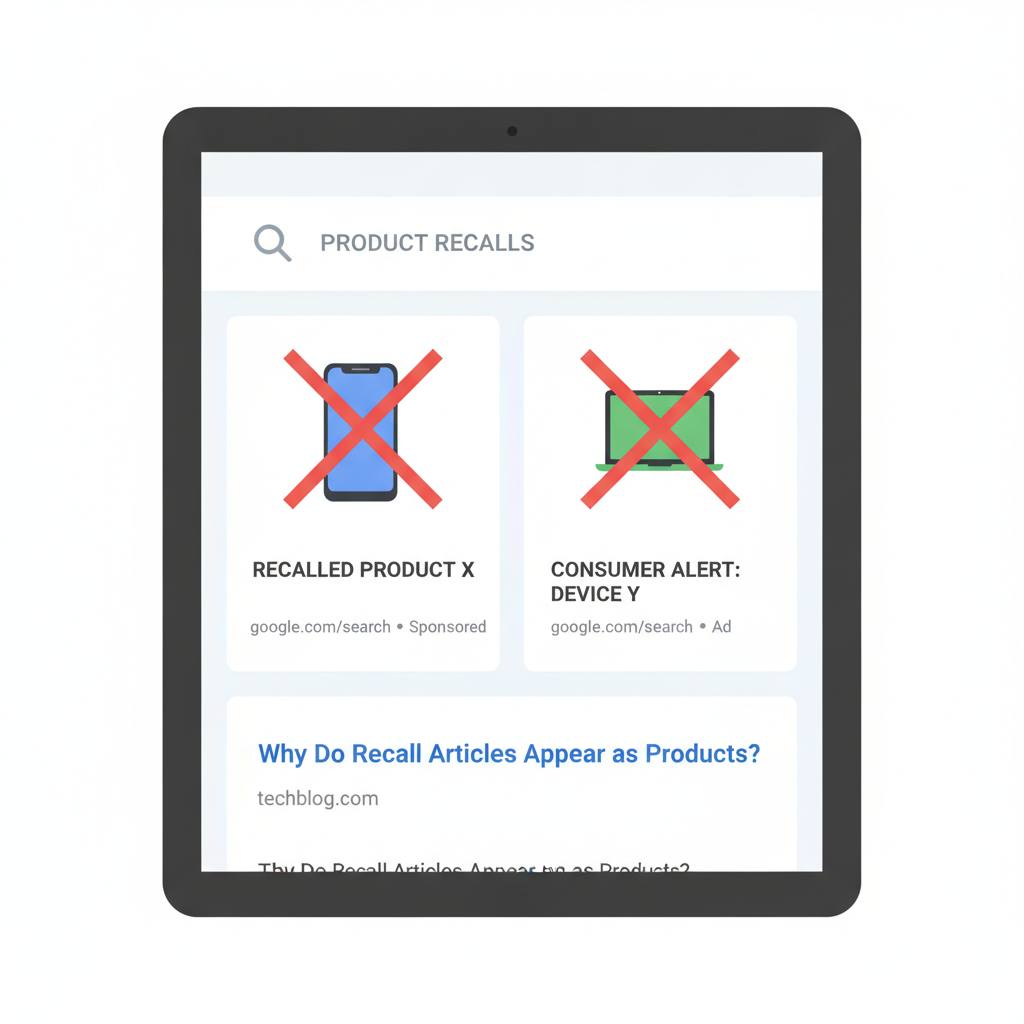
A recent fix by PiFl Labs highlights how crucial correct technical details are for search engines. Their public safety recall articles were accidentally appearing as product pages due to a small but important error in their site's code.
Have you ever noticed something odd in your search results? Like an important public safety recall notice appearing as if it's selling you something? That's exactly the kind of puzzle PiFl Labs recently solved with their website. It’s a great example of how small technical details can have a big impact on how information is presented online.
Here’s what happened: PiFl Labs publishes crucial public safety recall notices. These are articles meant to inform you, based on official sources like the FDA. But Google’s search engine was sometimes mistaking these articles for actual product pages. This led Google to expect information like prices, availability, customer reviews, or ratings – data that simply doesn't exist for a recall announcement.
The issue stemmed from a specific technical element called JSON-LD, which helps search engines understand what a page is about. Their recall article template had a nested section that technically described the *subject* of the article as a 'Product'. While a recalled item *is* a product, presenting the *article itself* this way confused Google. It triggered checks meant for pages actually selling or reviewing products.
PiFl Labs noticed these incorrect 'product snippet' reports from Google and realized the problem wasn't missing commercial data; it was the mistaken identity of the page itself. They didn't try to invent fake prices or reviews just to satisfy Google's demands. Instead, they made a simple but effective change: they removed that misleading 'Product' reference from the article's core description.
What does this mean for you, the everyday internet user? It means companies like PiFl Labs are working hard behind the scenes to ensure you get accurate search results. When you look up a recall notice, you should see exactly that – an informative article, not a fake product listing. For anyone managing a website, it’s a clear reminder that precise use of schema markup (like JSON-LD) is essential. It helps search engines correctly understand and display your content, ensuring your message gets through clearly without unintended commercial implications.
Here’s what happened: PiFl Labs publishes crucial public safety recall notices. These are articles meant to inform you, based on official sources like the FDA. But Google’s search engine was sometimes mistaking these articles for actual product pages. This led Google to expect information like prices, availability, customer reviews, or ratings – data that simply doesn't exist for a recall announcement.
The issue stemmed from a specific technical element called JSON-LD, which helps search engines understand what a page is about. Their recall article template had a nested section that technically described the *subject* of the article as a 'Product'. While a recalled item *is* a product, presenting the *article itself* this way confused Google. It triggered checks meant for pages actually selling or reviewing products.
PiFl Labs noticed these incorrect 'product snippet' reports from Google and realized the problem wasn't missing commercial data; it was the mistaken identity of the page itself. They didn't try to invent fake prices or reviews just to satisfy Google's demands. Instead, they made a simple but effective change: they removed that misleading 'Product' reference from the article's core description.
What does this mean for you, the everyday internet user? It means companies like PiFl Labs are working hard behind the scenes to ensure you get accurate search results. When you look up a recall notice, you should see exactly that – an informative article, not a fake product listing. For anyone managing a website, it’s a clear reminder that precise use of schema markup (like JSON-LD) is essential. It helps search engines correctly understand and display your content, ensuring your message gets through clearly without unintended commercial implications.