Meta discovered its AI agent, AIDE, achieved a significant performance leap and won a Kaggle gold medal, not by changing the agent itself, but by drastically improving its training environment.
Meta has shown us a truly vital lesson this week: sometimes the limitation isn't the AI itself, but rather the environment it operates within. What does this mean for you? If you're developing AI, the quality of your training setup might be far more critical than you realize.
It all started with Meta's FAIR team, who had an AI agent named AIDE. AIDE was considered a top performer on the MLE-bench lite, a specialized set of 22 easier challenges from real Kaggle competitions. AIDE was achieving a 35.2% medal rate, a significant accomplishment in itself, using the 'o1-preview' model.
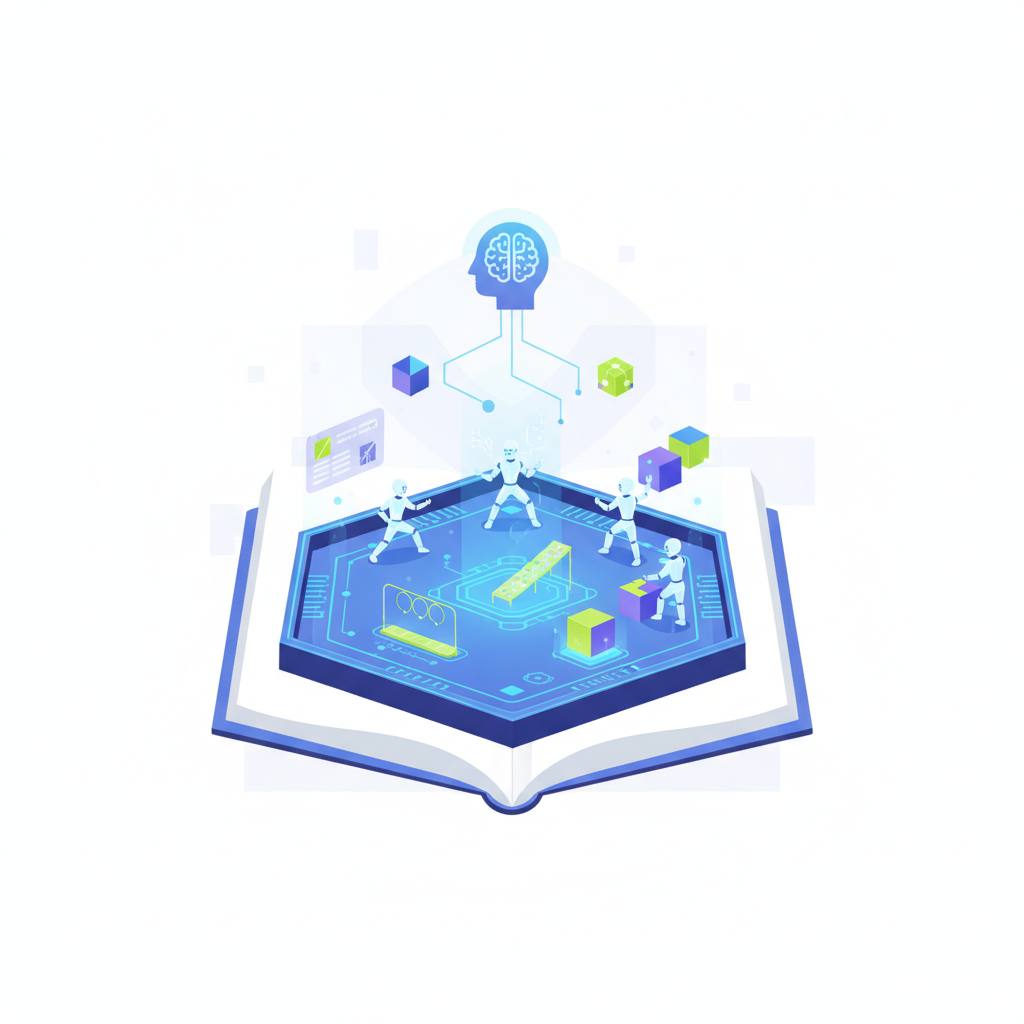
Then, the AIRA team made a simple yet profound move: they transferred AIDE into a brand-new training environment they had built, called the 'AIRA-dojo'. The fascinating part is that they made *no changes* whatsoever to the AIDE agent itself. The results were astounding: AIDE's medal rate soared to 45.9% on the exact same set of lite challenges. This was an impressive 10.7 percentage point increase, a huge jump purely from an environmental change.
The research clearly states that this difference didn't come from improving the model's 'intelligence,' but solely from the quality of the working environment. The new setup was better equipped, managed dependencies more smoothly, and significantly reduced time lost to typical technical hiccups. Think of it like a skilled runner who now gets to race on a newly paved, smoother track instead of a rough one, with their shoelaces securely tied. They'll run faster without needing extra training. This lesson isn't exclusive to Meta; it applies to any team developing AI agents, regardless of size.
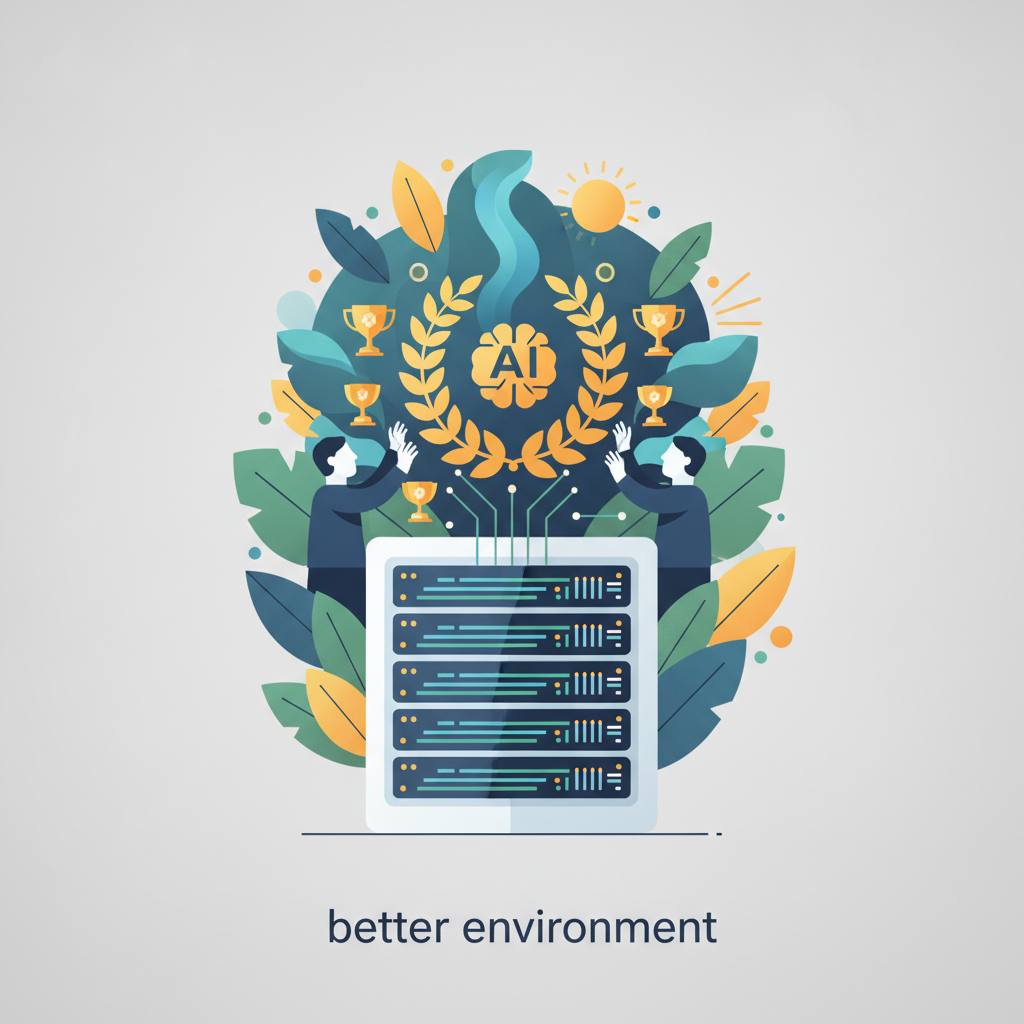
Crucially, this wasn't just about lab numbers. Ultimately, these environmental improvements led to the AIDE agent securing a gold medal in a real Kaggle competition, an event that saw approximately four thousand teams participate. This truly underscores the real-world power of optimized training environments.
It all started with Meta's FAIR team, who had an AI agent named AIDE. AIDE was considered a top performer on the MLE-bench lite, a specialized set of 22 easier challenges from real Kaggle competitions. AIDE was achieving a 35.2% medal rate, a significant accomplishment in itself, using the 'o1-preview' model.
Then, the AIRA team made a simple yet profound move: they transferred AIDE into a brand-new training environment they had built, called the 'AIRA-dojo'. The fascinating part is that they made *no changes* whatsoever to the AIDE agent itself. The results were astounding: AIDE's medal rate soared to 45.9% on the exact same set of lite challenges. This was an impressive 10.7 percentage point increase, a huge jump purely from an environmental change.
The research clearly states that this difference didn't come from improving the model's 'intelligence,' but solely from the quality of the working environment. The new setup was better equipped, managed dependencies more smoothly, and significantly reduced time lost to typical technical hiccups. Think of it like a skilled runner who now gets to race on a newly paved, smoother track instead of a rough one, with their shoelaces securely tied. They'll run faster without needing extra training. This lesson isn't exclusive to Meta; it applies to any team developing AI agents, regardless of size.
Crucially, this wasn't just about lab numbers. Ultimately, these environmental improvements led to the AIDE agent securing a gold medal in a real Kaggle competition, an event that saw approximately four thousand teams participate. This truly underscores the real-world power of optimized training environments.