Developers, beware: simply swapping a new AI model's ID when it's time to upgrade isn't enough, as public benchmarks don't guarantee performance on your specific tasks.
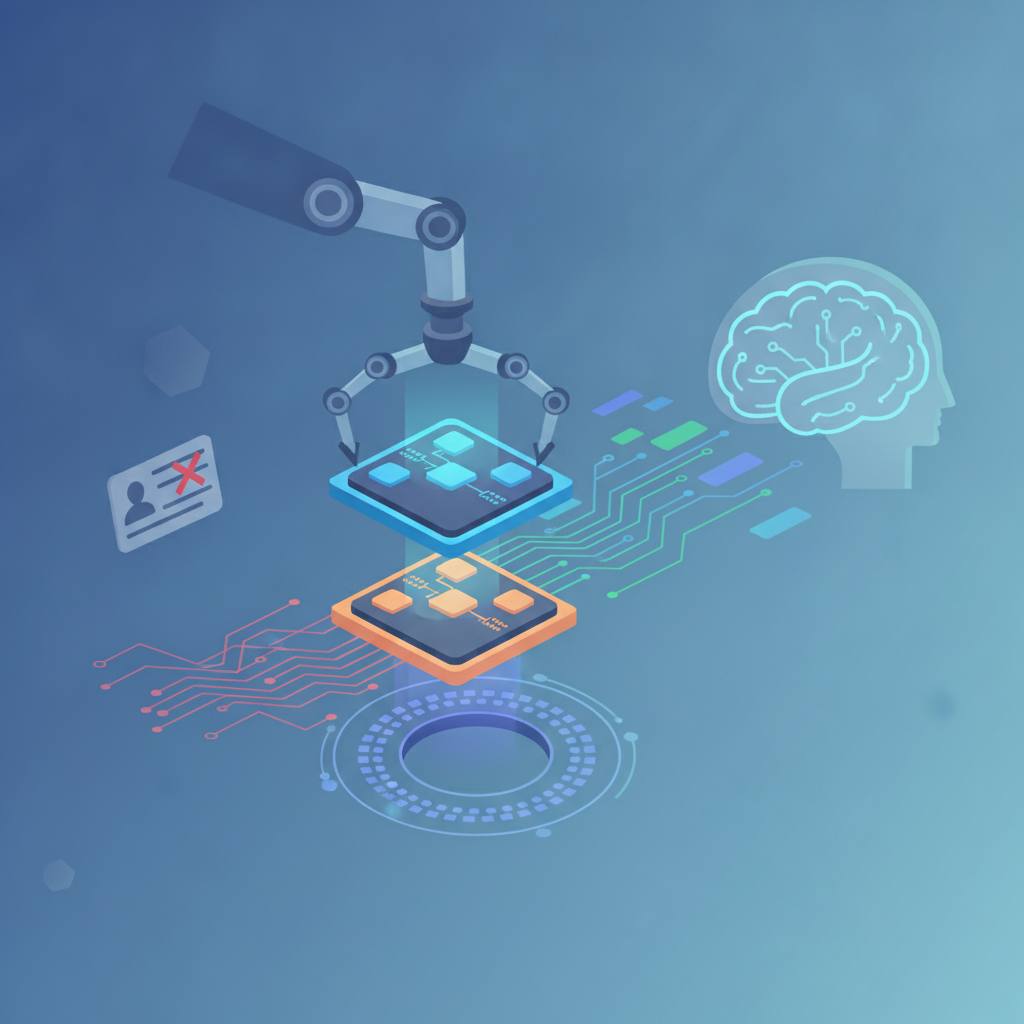
Don't just swap the ID of a new AI model and assume everything will be fine. This common mistake can lead to a quiet degradation of the AI-powered systems you rely on. While a new model might look impressive on public benchmarks, and your provider may have already scheduled the sunset date for the one you're currently using, simply replacing the model ID and running a few requests without seeing obvious breaks is a risky move.
The new model might not be a backward-compatible upgrade of the old one; it could be a different model entirely, trained differently, with its own specific 'habits'. This means that the prompts you meticulously tuned against the old model's behavior carry no guarantee with the new one. The same prompt isn't promised to perform as well, let alone better. The inference that a new model will perform better on your specific task just because it scored higher on public benchmarks is where things can go wrong. These reported gains are often measured on public datasets and don't necessarily reflect the complexities or specificities of your actual use case.
The real problem lies in the high cost of the process. While every engineer knows they should evaluate a new model before switching to it, the reality is often different. Deprecation and migration cycles come around roughly every twelve months, hitting every product built on the retired model. A comprehensive manual evaluation process is too slow and too expensive to fit inside these tight migration windows, which are often very short. The result is easy to guess: evaluation tends to get skipped, or it's done anyway in the last week before the sunset, in a panic, on whatever inputs someone had lying around. The gap here isn't one of belief in the importance of evaluation; it's one of process cost, making thorough testing difficult to perform within given timelines.
The new model might not be a backward-compatible upgrade of the old one; it could be a different model entirely, trained differently, with its own specific 'habits'. This means that the prompts you meticulously tuned against the old model's behavior carry no guarantee with the new one. The same prompt isn't promised to perform as well, let alone better. The inference that a new model will perform better on your specific task just because it scored higher on public benchmarks is where things can go wrong. These reported gains are often measured on public datasets and don't necessarily reflect the complexities or specificities of your actual use case.
The real problem lies in the high cost of the process. While every engineer knows they should evaluate a new model before switching to it, the reality is often different. Deprecation and migration cycles come around roughly every twelve months, hitting every product built on the retired model. A comprehensive manual evaluation process is too slow and too expensive to fit inside these tight migration windows, which are often very short. The result is easy to guess: evaluation tends to get skipped, or it's done anyway in the last week before the sunset, in a panic, on whatever inputs someone had lying around. The gap here isn't one of belief in the importance of evaluation; it's one of process cost, making thorough testing difficult to perform within given timelines.