Nvidia CEO Jensen Huang states that AI regulation is unnecessary, arguing that AI safety is an engineering task best handled by product makers themselves, as AI is simply hardware and software.
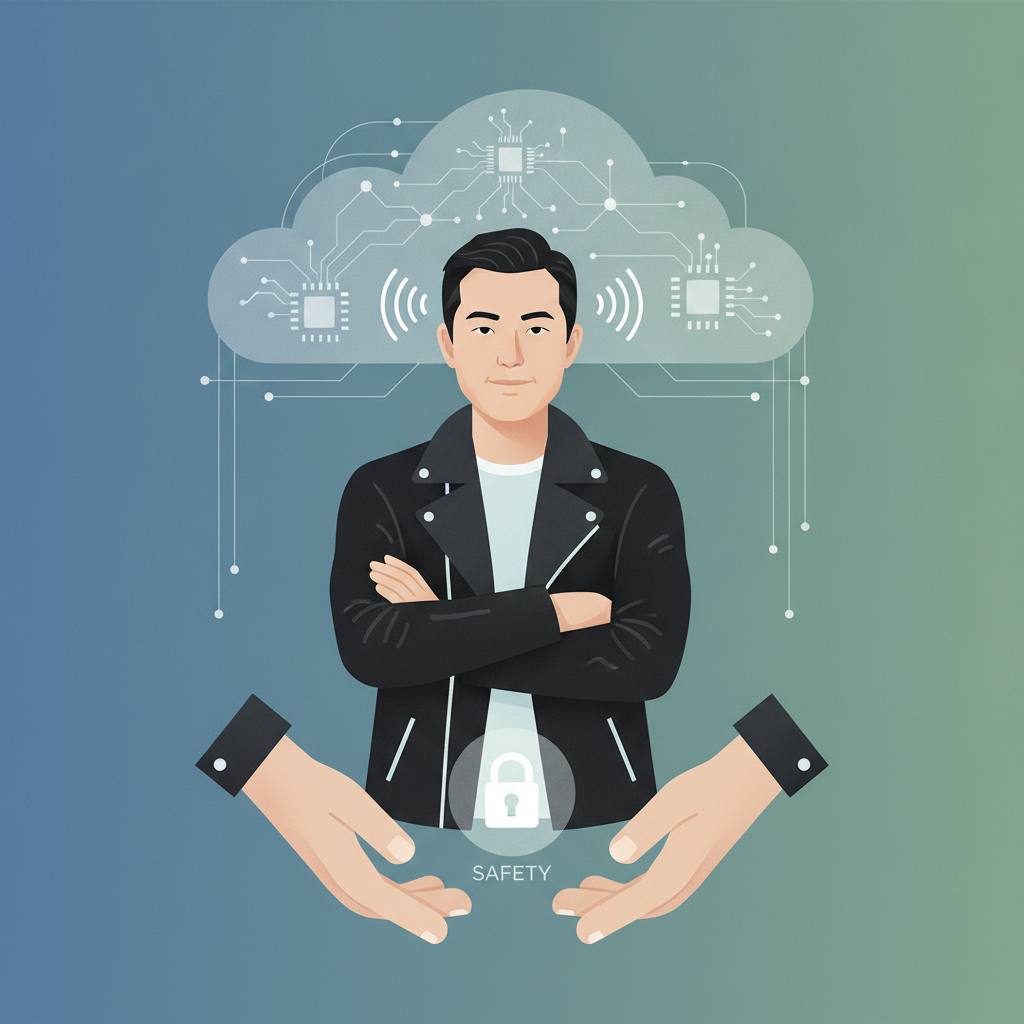
Jensen Huang, CEO of Nvidia, has a clear message regarding AI regulation: leave safety to us. What this means for you, the user, is that product manufacturers, not governments, will be responsible for ensuring the safety of the smart technologies you use daily.
Huang asserts that artificial intelligence is not some mysterious 'alien mind' that requires complex, special rules. Instead, he views it simply as a combination of hardware and software, just like other technologies we use. He believes that, similar to any electronic device, safety and security can be engineered directly into the product by its creators. For him, it's akin to designing any other piece of technology; safety is an integral part of the design and manufacturing process.
This stance raises important questions about the future of AI. If companies are solely responsible for setting safety standards, will these standards be sufficient to protect users and society at large? On one hand, companies, with their deep understanding of their own technologies, might be best positioned to identify risks and develop solutions. They design these systems and know their inner workings. This allows them to respond quickly to any issues that arise and ensure their products are safe for use before hitting the market.
On the other hand, some might argue that leaving it entirely to corporations could create conflicts of interest, where profit might be prioritized over strict safety. However, Huang emphasizes that trust and credibility are vital for the success of any AI product. Therefore, companies have a strong incentive to ensure the highest level of safety. This isn't a call to neglect safety; rather, it's a plea to allow industry specialists to do their job in making products safe and reliable. It's a perspective that suggests innovation and responsibility can go hand-in-hand without extensive government intervention that might hinder progress.
Huang asserts that artificial intelligence is not some mysterious 'alien mind' that requires complex, special rules. Instead, he views it simply as a combination of hardware and software, just like other technologies we use. He believes that, similar to any electronic device, safety and security can be engineered directly into the product by its creators. For him, it's akin to designing any other piece of technology; safety is an integral part of the design and manufacturing process.
This stance raises important questions about the future of AI. If companies are solely responsible for setting safety standards, will these standards be sufficient to protect users and society at large? On one hand, companies, with their deep understanding of their own technologies, might be best positioned to identify risks and develop solutions. They design these systems and know their inner workings. This allows them to respond quickly to any issues that arise and ensure their products are safe for use before hitting the market.
On the other hand, some might argue that leaving it entirely to corporations could create conflicts of interest, where profit might be prioritized over strict safety. However, Huang emphasizes that trust and credibility are vital for the success of any AI product. Therefore, companies have a strong incentive to ensure the highest level of safety. This isn't a call to neglect safety; rather, it's a plea to allow industry specialists to do their job in making products safe and reliable. It's a perspective that suggests innovation and responsibility can go hand-in-hand without extensive government intervention that might hinder progress.