We predict the future will lean towards hyper-integrated web development kits that streamline complexity, while transparent governance and clear access will become essential for AI platforms to build trust and ensure fair usage.
Recent news in the tech world points to three clear trajectories for the future. First, in web development, we see a persistent challenge in starting projects from scratch. Issues like authentication, layouts, permissions, environment validation, API clients, internationalization (i18n), UI primitives, SEO, tests, and continuous integration (CI) all demand significant time and effort before core product development even begins. This burden has led developers, such as the creator of «Next-Elite», to offer integrated solutions. At WondTech, we anticipate this 'setup fatigue' will intensify, driving the emergence of even more comprehensive and integrated development toolkits. These won't just be starter templates, but rather semi-ready development environments that pre-bundle all these essential components, significantly accelerating application building and ensuring greater consistency. Such tools will drastically cut down project setup time, allowing developers to focus immediately on unique product features.
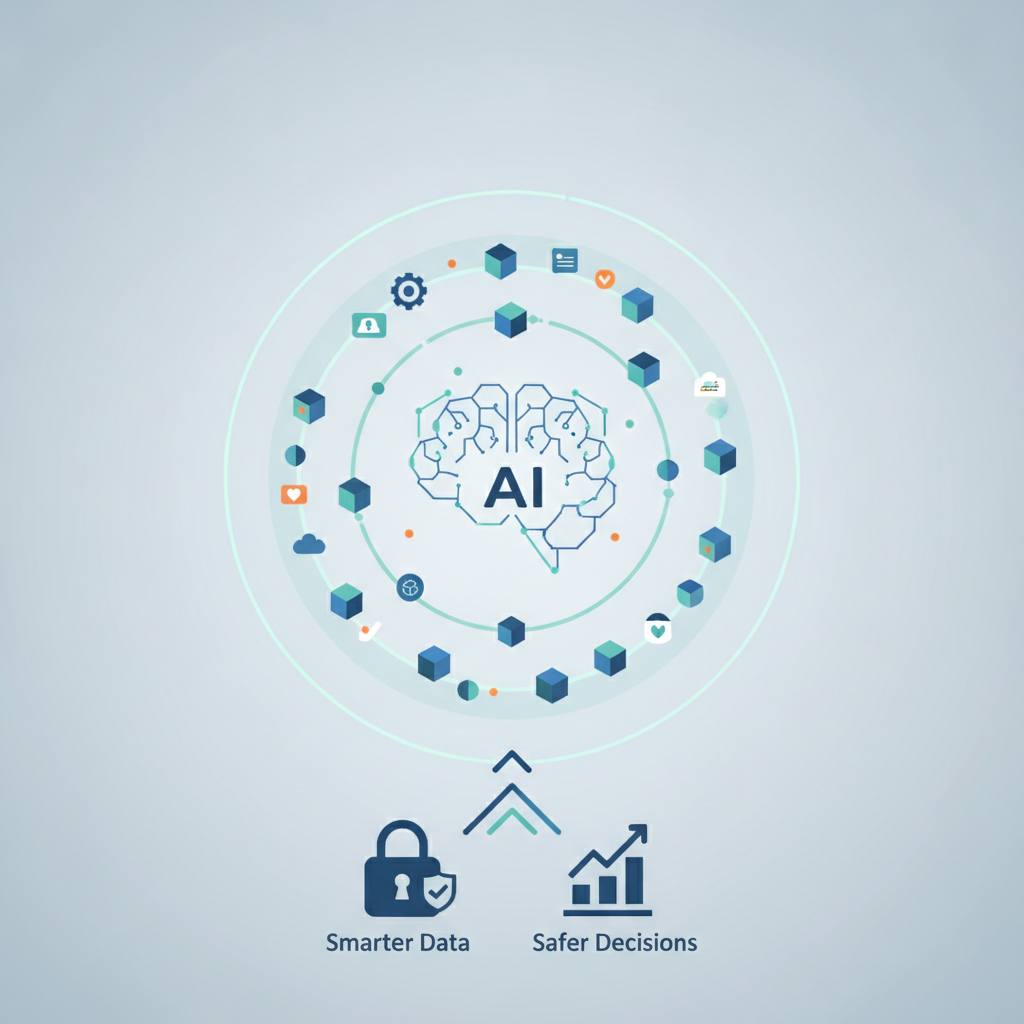
Second, within the realm of AI and its platforms, a critical need for clarity is becoming apparent. The issues raised about unclear access paths or undefined appeal processes for platforms like those offered by «OpenAI» highlight a significant gap. As users, we require a transparent understanding of how decisions are made, what criteria are applied, and how we can appeal them. We predict that as AI platforms grow in influence, they will be compelled to adopt more transparent governance policies. It won't be enough to merely have 'verified defenders'; there must be genuine, clear appeal pathways and transparent processes for anyone interacting with or affected by these platforms' decisions. Trust in AI will directly hinge on the clarity and fairness of these systems.
Finally, in hardware, exemplified by devices like the «Oppo Find X10», while companies continue to push the boundaries of specifications, the future focus will shift from raw power to the overall experience. The anticipated global rollout of these devices illustrates that competition isn't just about internal specs, but about how hardware seamlessly integrates with software to deliver a smooth, regionally optimized user experience. We will see devices engineered to provide unique software experiences, with regional customizations that go beyond mere translation, deeply tailoring to local cultures and needs. The true innovation will lie in the synergy between hardware and software, delivering more personalized experiences than ever before.
Second, within the realm of AI and its platforms, a critical need for clarity is becoming apparent. The issues raised about unclear access paths or undefined appeal processes for platforms like those offered by «OpenAI» highlight a significant gap. As users, we require a transparent understanding of how decisions are made, what criteria are applied, and how we can appeal them. We predict that as AI platforms grow in influence, they will be compelled to adopt more transparent governance policies. It won't be enough to merely have 'verified defenders'; there must be genuine, clear appeal pathways and transparent processes for anyone interacting with or affected by these platforms' decisions. Trust in AI will directly hinge on the clarity and fairness of these systems.
Finally, in hardware, exemplified by devices like the «Oppo Find X10», while companies continue to push the boundaries of specifications, the future focus will shift from raw power to the overall experience. The anticipated global rollout of these devices illustrates that competition isn't just about internal specs, but about how hardware seamlessly integrates with software to deliver a smooth, regionally optimized user experience. We will see devices engineered to provide unique software experiences, with regional customizations that go beyond mere translation, deeply tailoring to local cultures and needs. The true innovation will lie in the synergy between hardware and software, delivering more personalized experiences than ever before.