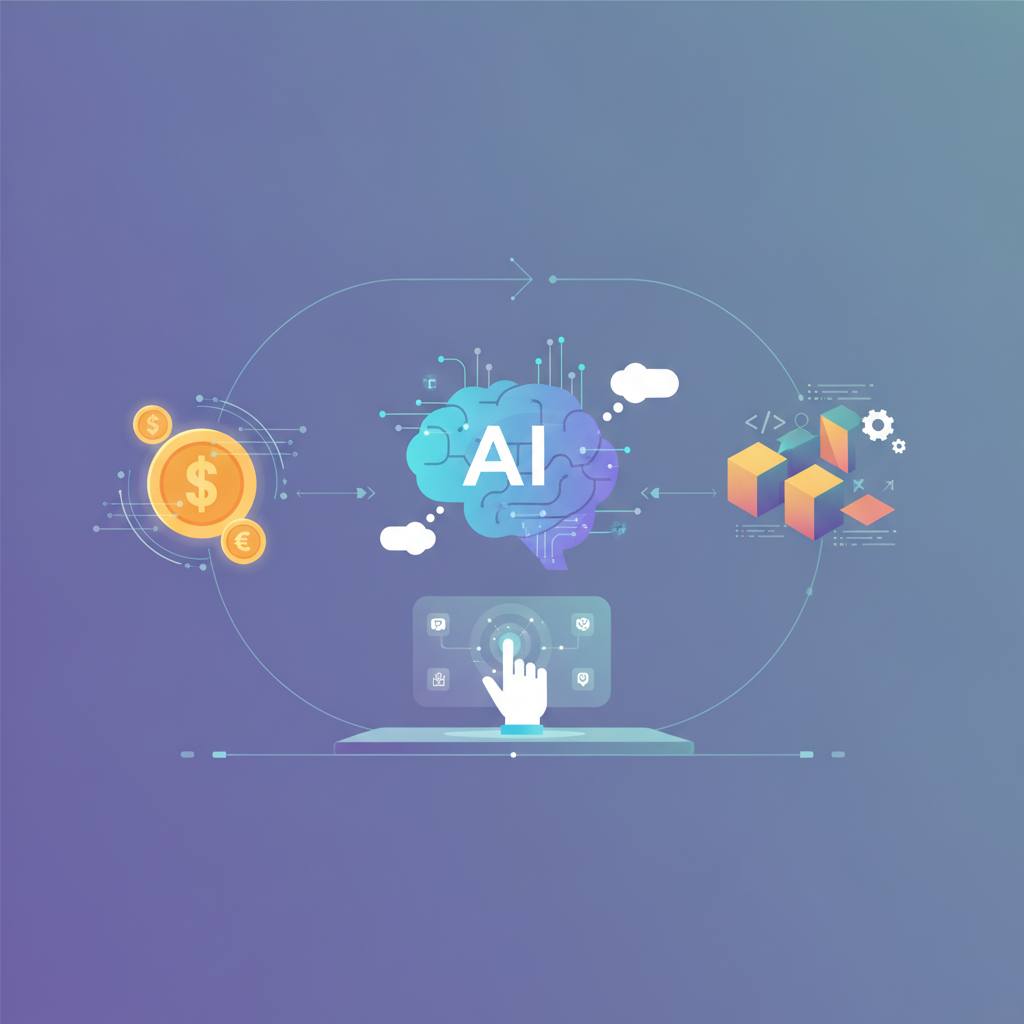
Companies will continue integrating financial services into social platforms and expanding AI's access to data, while developers strive for efficiency. This drive for integration will bring significant changes to our daily experience but will also demand innovative security solutions and a constant re-evaluation of best practices.
The tech world is currently focused on making everything connect more seamlessly. We see this with X Money, finally rolling out to premium subscribers. This isn't just about sending money; it's about embedding financial transactions directly into our social networks. Expect this trend to grow, moving beyond the US and premium users, as social platforms aim to capture more of our daily interactions, including our finances. This will likely lead to an increase in in-app purchases, creator monetization, and peer-to-peer transfers, all happening without ever leaving the social environment. Traditional payment systems will face new competition, and we might see clearer lines blur between social networking and banking.
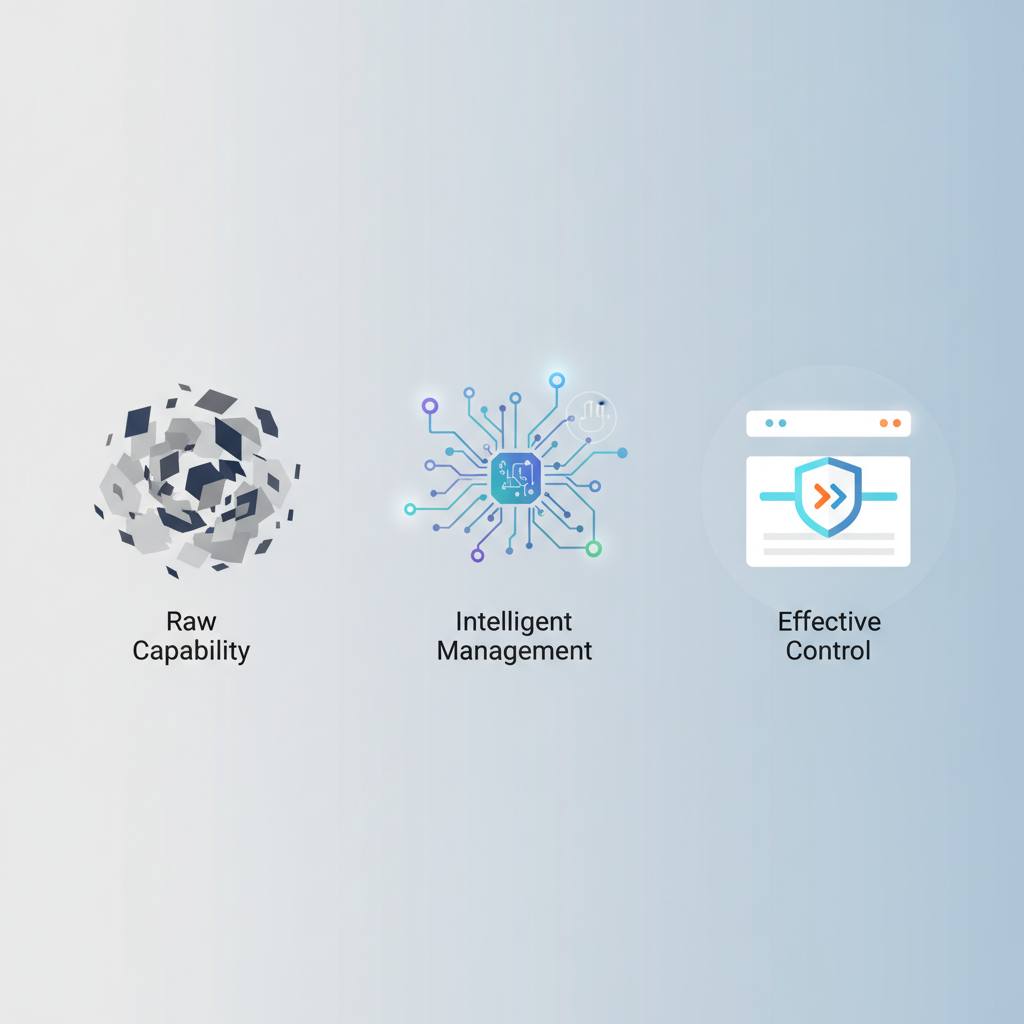
However, this push for integration brings its own set of challenges, especially concerning security. The Model Context Protocol (MCP) is becoming central to connecting AI models with our local files and enterprise databases. While incredibly powerful, this direct access creates a significant security gap. We anticipate a rapid rise in specialized security solutions, like the Governed Execution Gateway, designed specifically to monitor and protect these AI-data connections. Enterprises will prioritize these advanced security measures to mitigate risks associated with autonomous AI agents interacting with sensitive information. Expect new industry standards to emerge for AI security, driven by the need to secure these powerful new interfaces.
On the development front, the pursuit of integration and efficiency is constant, but not always straightforward. The story of consolidating CRUD operations into a single React hook highlights the fine balance between initial gains in efficiency and long-term maintainability. Developers are always looking for the 'right' level of abstraction. We predict a continued evolution in development tools and frameworks that aim to simplify common tasks without sacrificing code clarity or introducing new complexities down the line. This might mean smarter code generation, more robust architectural patterns baked into frameworks, or even AI assistants helping to refactor and optimize code. The goal will be to empower developers to build robust, scalable applications without falling into the traps of overly clever, yet ultimately unsustainable, solutions. The future is connected, but also increasingly nuanced in its demand for secure and sustainable integration.
However, this push for integration brings its own set of challenges, especially concerning security. The Model Context Protocol (MCP) is becoming central to connecting AI models with our local files and enterprise databases. While incredibly powerful, this direct access creates a significant security gap. We anticipate a rapid rise in specialized security solutions, like the Governed Execution Gateway, designed specifically to monitor and protect these AI-data connections. Enterprises will prioritize these advanced security measures to mitigate risks associated with autonomous AI agents interacting with sensitive information. Expect new industry standards to emerge for AI security, driven by the need to secure these powerful new interfaces.
On the development front, the pursuit of integration and efficiency is constant, but not always straightforward. The story of consolidating CRUD operations into a single React hook highlights the fine balance between initial gains in efficiency and long-term maintainability. Developers are always looking for the 'right' level of abstraction. We predict a continued evolution in development tools and frameworks that aim to simplify common tasks without sacrificing code clarity or introducing new complexities down the line. This might mean smarter code generation, more robust architectural patterns baked into frameworks, or even AI assistants helping to refactor and optimize code. The goal will be to empower developers to build robust, scalable applications without falling into the traps of overly clever, yet ultimately unsustainable, solutions. The future is connected, but also increasingly nuanced in its demand for secure and sustainable integration.