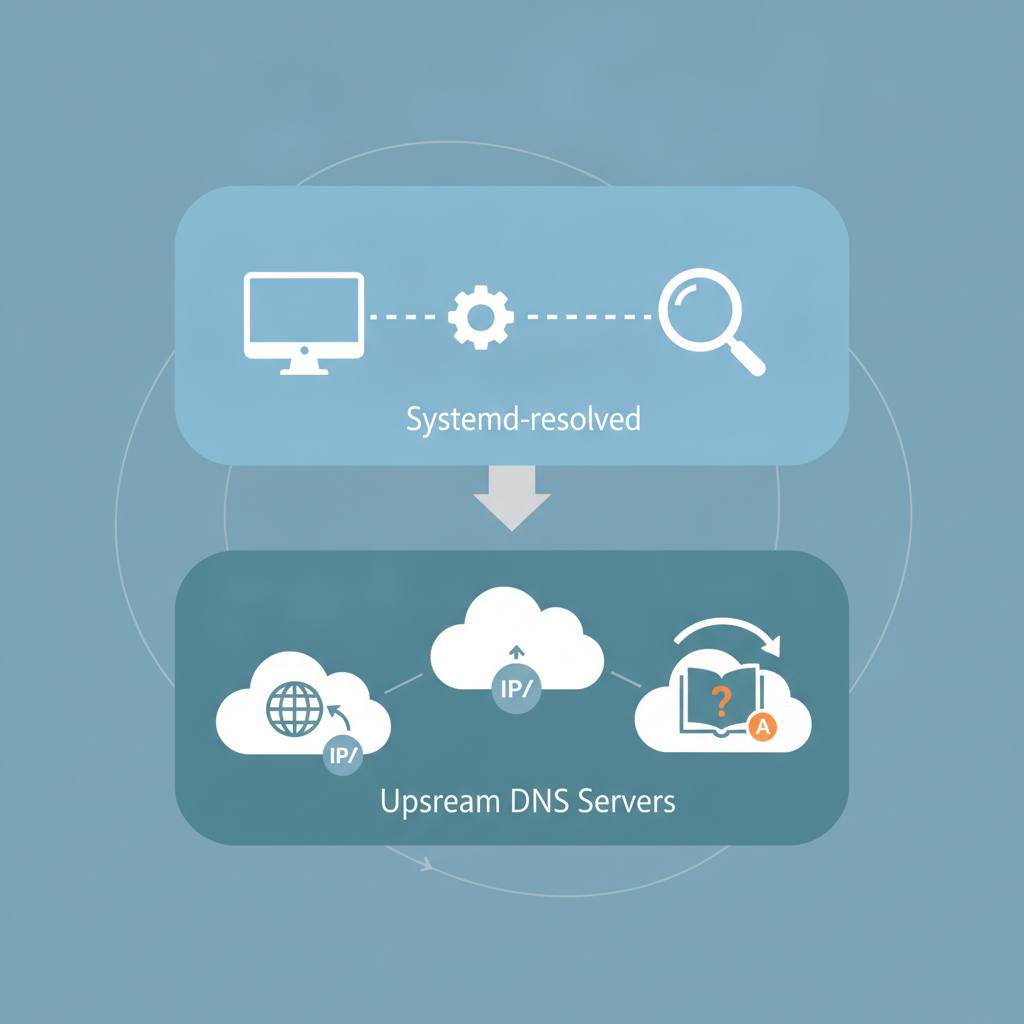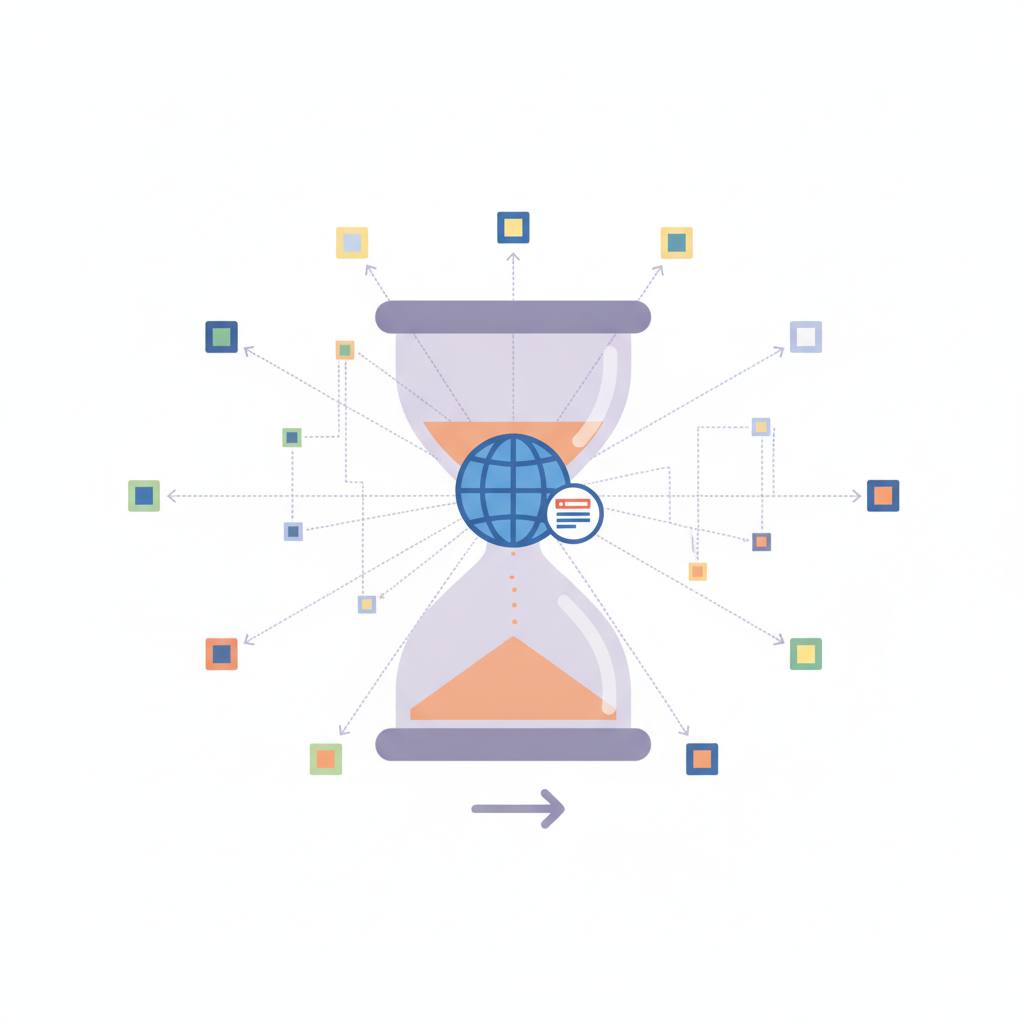
Changing your website's DNS records isn't always instant, leading to some users seeing updates faster than others. This delay, known as DNS propagation, is due to how DNS servers cache information and when their stored data expires.
Ever changed your website's DNS settings or a service record and wondered why it takes ages for everyone to see the update? You're not alone! This common headache is all about something called DNS propagation, which is why your changes don't magically appear everywhere instantly.
Imagine you update the IP address for `api.example.com` from an old one to a new one. Your own browser shows the new IP, and your deployment dashboard says 'all good!' But then, the Slack messages start rolling in: 'API is down from Singapore!' 'Connection refused from Frankfurt!' Meanwhile, 'Works fine here in Virginia!' What's going on?
The simple truth is, DNS changes don't magically update everywhere at once. It's not like flicking a switch. Instead, it's a process called DNS propagation, and its timing varies wildly across the globe due to how the DNS system works.
Here's why: DNS servers (often called 'resolvers') all over the world store temporary copies of your DNS records to speed up website access. These cached copies have a 'Time-to-Live' (TTL) – basically, an expiry date. When you update your records at your authoritative nameserver, it doesn't 'push' the new information out to every resolver in the world. Instead, it waits. Each resolver only checks for updates *after* its cached copy expires.
So, if a DNS resolver in Germany cached your old record just 30 seconds before you made your change, and its TTL is, say, 24 hours, it will keep serving that old record to its users until its cached copy expires. Meanwhile, a resolver for Google Public DNS might see the change in a minute or so, because it re-checks much faster.
The key takeaway? When you change a DNS record, the expiry countdown for each individual resolver starts from when *it last cached the record*, not from when *you* made your update. That's why some people see your changes almost instantly (like those using Google Public DNS or Cloudflare 1.1.1.1, which have fast refresh policies), while others might have to wait much longer, depending on their internet provider's DNS resolver and its specific caching policies. So next time you're waiting for a DNS change to go live, remember it's a waiting game influenced by many factors, especially caching and TTLs across the globe. Patience is key!
Imagine you update the IP address for `api.example.com` from an old one to a new one. Your own browser shows the new IP, and your deployment dashboard says 'all good!' But then, the Slack messages start rolling in: 'API is down from Singapore!' 'Connection refused from Frankfurt!' Meanwhile, 'Works fine here in Virginia!' What's going on?
The simple truth is, DNS changes don't magically update everywhere at once. It's not like flicking a switch. Instead, it's a process called DNS propagation, and its timing varies wildly across the globe due to how the DNS system works.
Here's why: DNS servers (often called 'resolvers') all over the world store temporary copies of your DNS records to speed up website access. These cached copies have a 'Time-to-Live' (TTL) – basically, an expiry date. When you update your records at your authoritative nameserver, it doesn't 'push' the new information out to every resolver in the world. Instead, it waits. Each resolver only checks for updates *after* its cached copy expires.
So, if a DNS resolver in Germany cached your old record just 30 seconds before you made your change, and its TTL is, say, 24 hours, it will keep serving that old record to its users until its cached copy expires. Meanwhile, a resolver for Google Public DNS might see the change in a minute or so, because it re-checks much faster.
The key takeaway? When you change a DNS record, the expiry countdown for each individual resolver starts from when *it last cached the record*, not from when *you* made your update. That's why some people see your changes almost instantly (like those using Google Public DNS or Cloudflare 1.1.1.1, which have fast refresh policies), while others might have to wait much longer, depending on their internet provider's DNS resolver and its specific caching policies. So next time you're waiting for a DNS change to go live, remember it's a waiting game influenced by many factors, especially caching and TTLs across the globe. Patience is key!