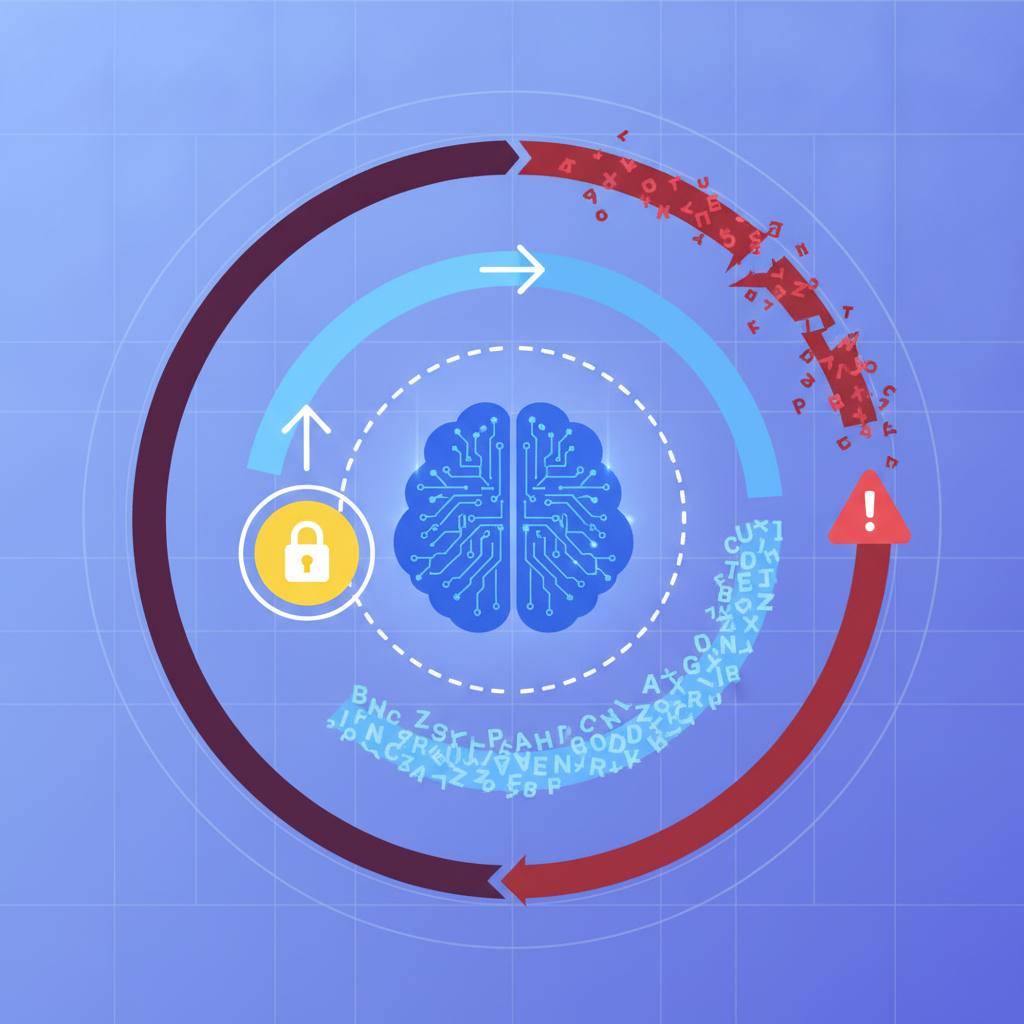
When connecting an AI assistant to your business analytics, remember that accuracy is more important than speed. Recent news highlights the critical need to define clear decision boundaries for your AI copilot before building it, ensuring reliable and safe insights from your data.
When building an AI assistant for data analytics, we need to think about its decision boundaries first, not just how to connect it to data. What this means for you is that getting quick answers from an AI assistant can be risky if those answers are based on old, incomplete, or wrongly defined metrics. Your main goal here is to ensure any recommendation or analysis from this copilot is built on solid, trustworthy foundations.
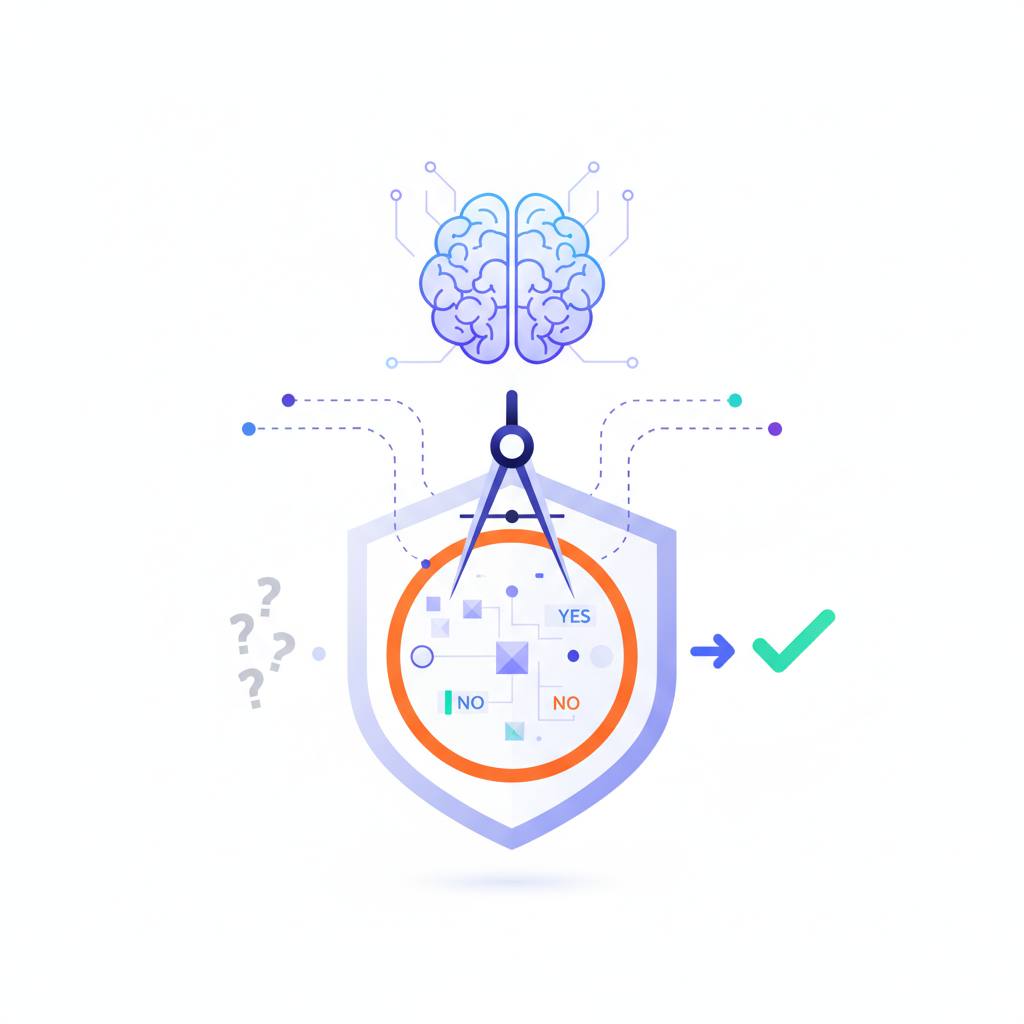
The latest news emphasizes starting by defining the 'decision boundary' for the assistant. This involves setting clear rules for what the assistant can do, what evidence it needs, how fresh that evidence must be, and what actions are allowed. For instance, if the question is «Did activation fall?», we must define the event, cohort, and comparison window precisely, and the assistant should explain and link to a chart daily. If it's about «Which campaign won?», it needs to rely on the attribution model, spend, and conversions, proposing an interpretation daily. For critical questions like «Should we stop rollout?», the assistant should recommend based on guardrail metrics and experiment state in near real-time, but the owner makes the final decision.
It's vital that the assistant never silently redefines metrics, changes the attribution window, or confuses correlation with causation. For every metric exposed to the assistant, clear information must be stored: its owner, a plain-language definition, query reference, dimensions, exclusions, update schedule, known limitations, and version. The assistant's answers must always cite the contract version and data timestamp.
When evaluating the assistant's performance, we shouldn't just focus on user satisfaction with answers. Instead, we should measure its accuracy in selecting the right metrics, correct filters, and time windows. We also need to see if it recognizes missing or stale evidence and gracefully refuses when data is insufficient. A fast answer that picks the wrong denominator is negative productivity.
Start by using the assistant in a read-only mode with aggregate metrics. Every interaction should be logged: tool name, parameters, metric version, data timestamp, citations, and user corrections, without storing unnecessary prompt data. Only add row-level data after its purpose and access controls are fully proven. For safe adoption, three gates must be passed: users can inspect the evidence, metric owners can correct definitions centrally, and the organization can detect when answers use stale or unauthorized data. This way, we ensure our smart assistant works effectively and safely.
The latest news emphasizes starting by defining the 'decision boundary' for the assistant. This involves setting clear rules for what the assistant can do, what evidence it needs, how fresh that evidence must be, and what actions are allowed. For instance, if the question is «Did activation fall?», we must define the event, cohort, and comparison window precisely, and the assistant should explain and link to a chart daily. If it's about «Which campaign won?», it needs to rely on the attribution model, spend, and conversions, proposing an interpretation daily. For critical questions like «Should we stop rollout?», the assistant should recommend based on guardrail metrics and experiment state in near real-time, but the owner makes the final decision.
It's vital that the assistant never silently redefines metrics, changes the attribution window, or confuses correlation with causation. For every metric exposed to the assistant, clear information must be stored: its owner, a plain-language definition, query reference, dimensions, exclusions, update schedule, known limitations, and version. The assistant's answers must always cite the contract version and data timestamp.
When evaluating the assistant's performance, we shouldn't just focus on user satisfaction with answers. Instead, we should measure its accuracy in selecting the right metrics, correct filters, and time windows. We also need to see if it recognizes missing or stale evidence and gracefully refuses when data is insufficient. A fast answer that picks the wrong denominator is negative productivity.
Start by using the assistant in a read-only mode with aggregate metrics. Every interaction should be logged: tool name, parameters, metric version, data timestamp, citations, and user corrections, without storing unnecessary prompt data. Only add row-level data after its purpose and access controls are fully proven. For safe adoption, three gates must be passed: users can inspect the evidence, metric owners can correct definitions centrally, and the organization can detect when answers use stale or unauthorized data. This way, we ensure our smart assistant works effectively and safely.