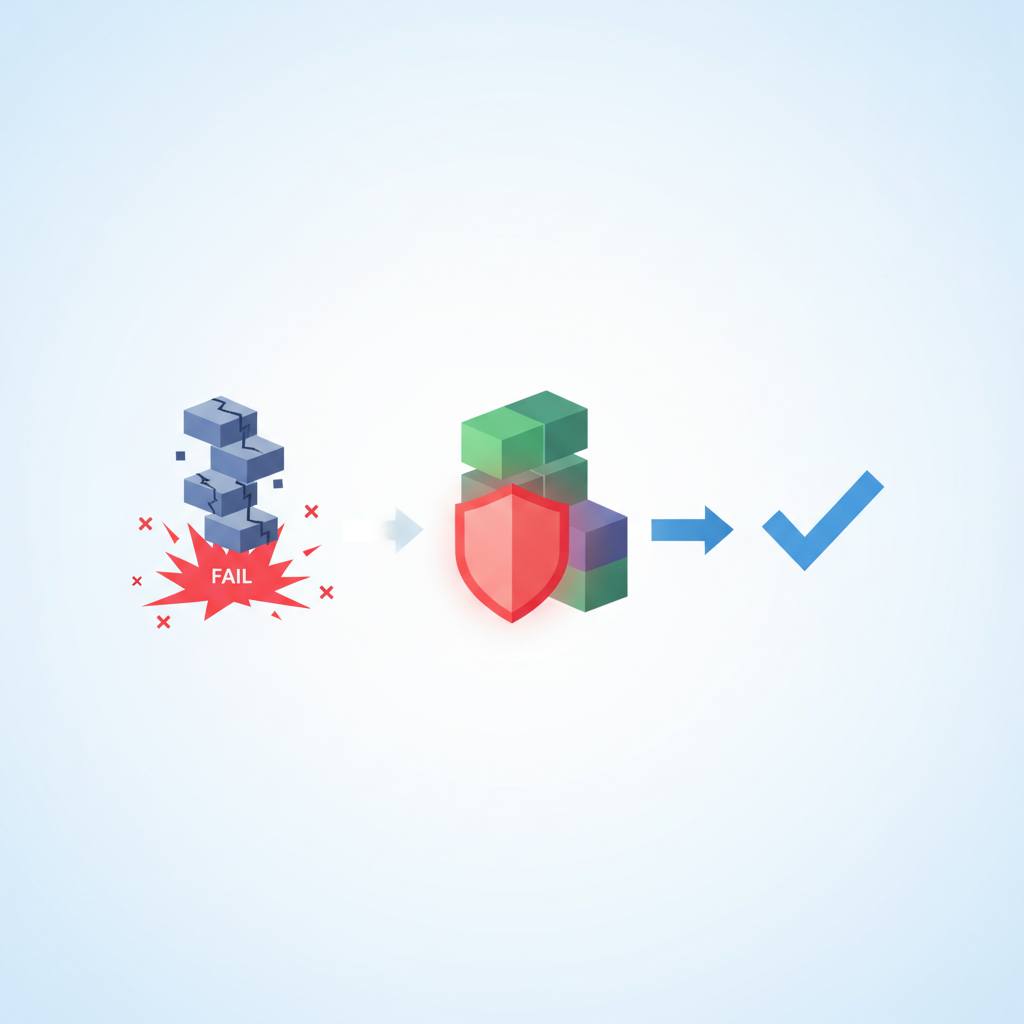
AI is rapidly accelerating blockchain development, but it also brings new risks concerning unnoticed errors. This means speed now requires careful management.
Artificial intelligence is rapidly changing how blockchain engineers do their work. What this means for you is that developments in this field are happening much faster, but they also demand new attention to potential risks.
Not long ago, blockchain development meant spending hours studying documents, manually writing smart contracts, and carefully reviewing every line of code. Today, much of that work can be handed over to AI. With just a few prompts to tools like ChatGPT or other AI assistants, developers can create a basic smart contract for a token, NFT collection, or DeFi protocol in minutes.
This helps teams speed up product creation, automate routine tasks, and boost overall productivity in the Web3 world. For blockchain engineers, AI helps them create smart contract templates faster, generate tests for Solidity code, prepare technical documentation, automate daily tasks, and perform an initial check for potential vulnerabilities. This is especially important for Web3 startups. In an environment where how fast you launch a product can give you a competitive edge, AI allows teams to test ideas more quickly, build prototypes, and move from a concept to working code much faster.
But with these new opportunities come new challenges. When code is generated faster than ever before, the risk also goes up that mistakes will get into production without anyone noticing. Does AI truly make blockchain development more efficient? Or does it simply speed up the creation of errors in an industry where even one security flaw can cost millions of dollars? Developers have long used tools that speed up coding, such as autocomplete, search engines, and ready-made libraries. But generative AI has taken this to a new level. It doesn't just suggest a single line of code; it can propose an entire function, module, test scenario, or even the basic architecture of a solution. This is where the main risk appears: if AI works like a junior developer, it needs careful management and oversight.
Not long ago, blockchain development meant spending hours studying documents, manually writing smart contracts, and carefully reviewing every line of code. Today, much of that work can be handed over to AI. With just a few prompts to tools like ChatGPT or other AI assistants, developers can create a basic smart contract for a token, NFT collection, or DeFi protocol in minutes.
This helps teams speed up product creation, automate routine tasks, and boost overall productivity in the Web3 world. For blockchain engineers, AI helps them create smart contract templates faster, generate tests for Solidity code, prepare technical documentation, automate daily tasks, and perform an initial check for potential vulnerabilities. This is especially important for Web3 startups. In an environment where how fast you launch a product can give you a competitive edge, AI allows teams to test ideas more quickly, build prototypes, and move from a concept to working code much faster.
But with these new opportunities come new challenges. When code is generated faster than ever before, the risk also goes up that mistakes will get into production without anyone noticing. Does AI truly make blockchain development more efficient? Or does it simply speed up the creation of errors in an industry where even one security flaw can cost millions of dollars? Developers have long used tools that speed up coding, such as autocomplete, search engines, and ready-made libraries. But generative AI has taken this to a new level. It doesn't just suggest a single line of code; it can propose an entire function, module, test scenario, or even the basic architecture of a solution. This is where the main risk appears: if AI works like a junior developer, it needs careful management and oversight.