An indie developer discovered a clever way to teach AI assistants like Claude to build simple, single HTML file web applications, bypassing unnecessary complexity. This means Claude can now help you create practical, efficient tools for indie developers much faster.
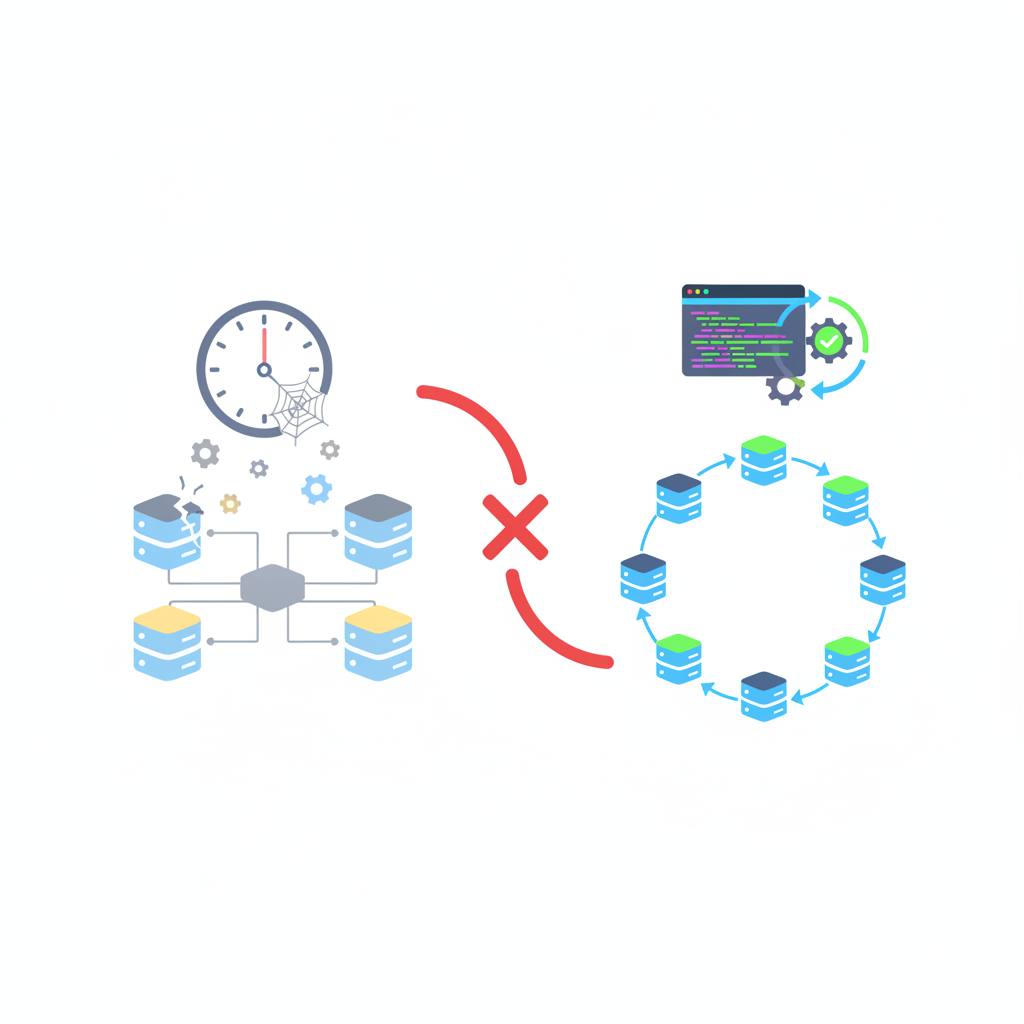
Big news for indie developers out there! It turns out we can actually teach AI assistants like 'Claude' to build simple, practical web tools without all the usual fluff. For a long time, the challenge has been that these assistants, when asked for something straightforward, would often kick off massive React projects requiring 'npm' and multiple folders, even before writing a single line of actual logic. It was like asking for a screwdriver and getting an entire, unnecessary toolbox.
But experienced developers have found a smart workaround: what are called «Claude Skills.» These aren't just quick prompts or fleeting system messages; they're reusable sets of rules. They change how 'Claude' thinks, what it prioritizes, and what it avoids. It’s like giving 'Claude' a custom rulebook for a specific goal, making it a smarter advisor instead of a workflow saboteur.
For example, one developer built two incredibly useful skills. The first is 'single-file-app,' which teaches 'Claude' to build complete web tools in just one HTML file. This means no React, no npm, and no complex build tools unless truly justified. This skill stops 'Claude' from suggesting a React project setup or an npm install for a simple calculator. The result is tools that open instantly, work offline, and don't need a server.
The second skill is called 'ship-it,' which biases 'Claude' towards shipping early-stage MVPs over excessive planning. It encourages showing trade-offs instead of blocking decisions. For instance, if you say, «We should make it scalable,» 'Claude' might respond by showing the trade-off: «Scalability now means X extra days. You have few or no users. Want to spend that on scale or first users?» This helps developers make quicker, more practical decisions, pushing them towards actual product launch. These skills are openly available and easy to install.
But experienced developers have found a smart workaround: what are called «Claude Skills.» These aren't just quick prompts or fleeting system messages; they're reusable sets of rules. They change how 'Claude' thinks, what it prioritizes, and what it avoids. It’s like giving 'Claude' a custom rulebook for a specific goal, making it a smarter advisor instead of a workflow saboteur.
For example, one developer built two incredibly useful skills. The first is 'single-file-app,' which teaches 'Claude' to build complete web tools in just one HTML file. This means no React, no npm, and no complex build tools unless truly justified. This skill stops 'Claude' from suggesting a React project setup or an npm install for a simple calculator. The result is tools that open instantly, work offline, and don't need a server.
The second skill is called 'ship-it,' which biases 'Claude' towards shipping early-stage MVPs over excessive planning. It encourages showing trade-offs instead of blocking decisions. For instance, if you say, «We should make it scalable,» 'Claude' might respond by showing the trade-off: «Scalability now means X extra days. You have few or no users. Want to spend that on scale or first users?» This helps developers make quicker, more practical decisions, pushing them towards actual product launch. These skills are openly available and easy to install.