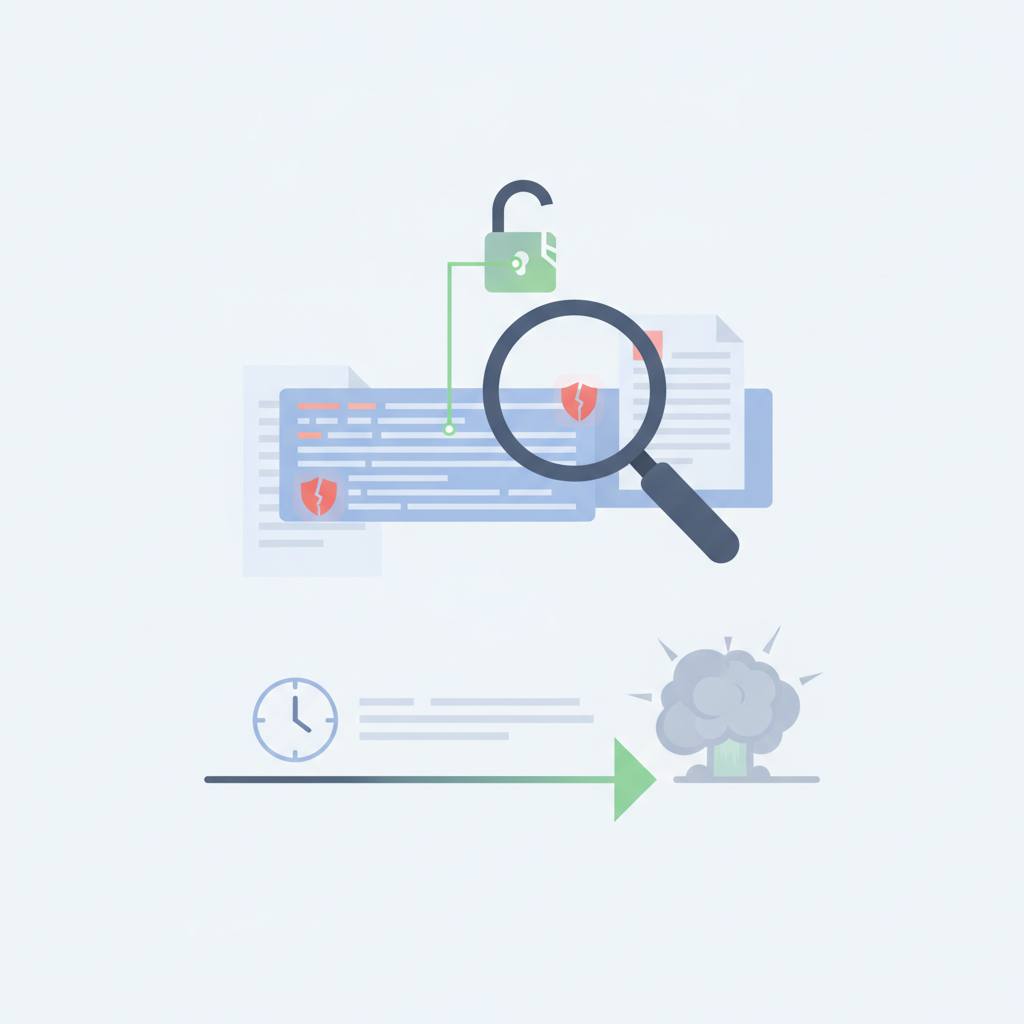
Instead of just reacting to public security alerts (CVEs), expert security auditors proactively analyze software release notes, especially new security features. This approach helps identify potential weaknesses in new defenses before they become widely known vulnerabilities.
Many people in cybersecurity rely on CVEs (Common Vulnerabilities and Exposures) to learn about software flaws. These are public reports telling us about known weaknesses, helping us update our systems to protect against them. But what if you could find these weaknesses even *before* they become public and widely known? Our news hook today suggests a smarter, more proactive approach: reading software release notes.
Think of release notes as developer diaries. When a software project gets an update, the developers write notes explaining what changed, what was added, and what was fixed. The secret revealed by our experts is that experienced security auditors don't wait for official vulnerability announcements; instead, they read these notes very carefully, especially when a *new security feature* is announced—like a new way to log in or verify users. This is the essence of 'proactive hunting' for vulnerabilities.
Why is this so important? When developers add a new security layer, they intend to make the software safer. But this new code is often written quickly and under schedule pressure, and hasn't been tested by real attackers yet. It's like building a brand-new, supposedly strong lock on your door. An attacker wouldn't wait for a public announcement that the lock has a flaw; they'd immediately try to pick the new lock to find its weak points.
The risk here is that these new security mechanisms, ironically, can become targets. The example from our news is Fastjson's 'checkAutoType' feature (a software used for processing JSON data in Java). It was added to protect against a specific type of attack but ended up creating *new* opportunities for attackers, leading to many separate vulnerabilities over years. The defense itself showed attackers exactly where to focus their efforts.
WondTech's takeaway here is simple but powerful: Instead of waiting for a public alert about a vulnerability, a truly proactive security mindset involves looking at *new defenses* as potential points of weakness. It means asking: 'How could this new protection be bypassed?' By understanding how new code is designed to secure a system, you can often predict where its weaknesses might lie, long before others do. This allows you to find and report issues sooner, making software safer for everyone.
Think of release notes as developer diaries. When a software project gets an update, the developers write notes explaining what changed, what was added, and what was fixed. The secret revealed by our experts is that experienced security auditors don't wait for official vulnerability announcements; instead, they read these notes very carefully, especially when a *new security feature* is announced—like a new way to log in or verify users. This is the essence of 'proactive hunting' for vulnerabilities.
Why is this so important? When developers add a new security layer, they intend to make the software safer. But this new code is often written quickly and under schedule pressure, and hasn't been tested by real attackers yet. It's like building a brand-new, supposedly strong lock on your door. An attacker wouldn't wait for a public announcement that the lock has a flaw; they'd immediately try to pick the new lock to find its weak points.
The risk here is that these new security mechanisms, ironically, can become targets. The example from our news is Fastjson's 'checkAutoType' feature (a software used for processing JSON data in Java). It was added to protect against a specific type of attack but ended up creating *new* opportunities for attackers, leading to many separate vulnerabilities over years. The defense itself showed attackers exactly where to focus their efforts.
WondTech's takeaway here is simple but powerful: Instead of waiting for a public alert about a vulnerability, a truly proactive security mindset involves looking at *new defenses* as potential points of weakness. It means asking: 'How could this new protection be bypassed?' By understanding how new code is designed to secure a system, you can often predict where its weaknesses might lie, long before others do. This allows you to find and report issues sooner, making software safer for everyone.