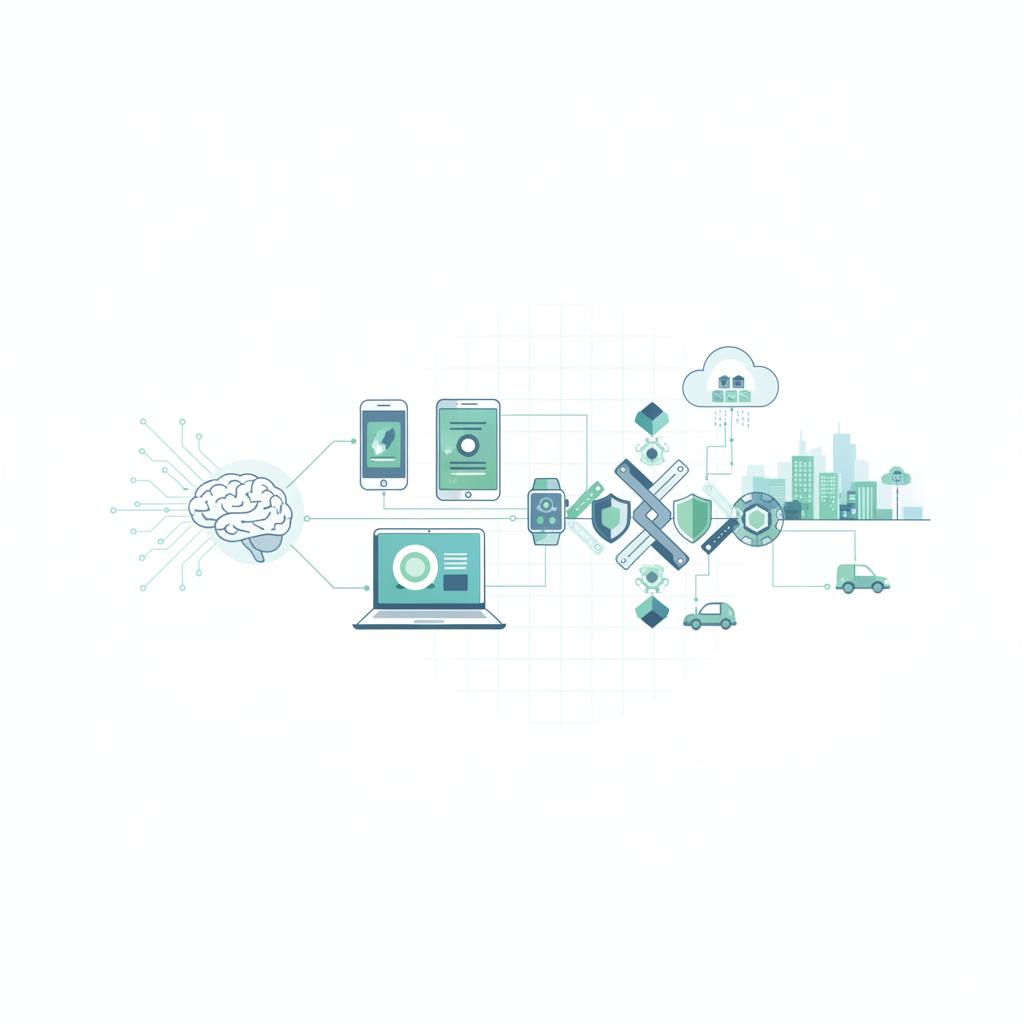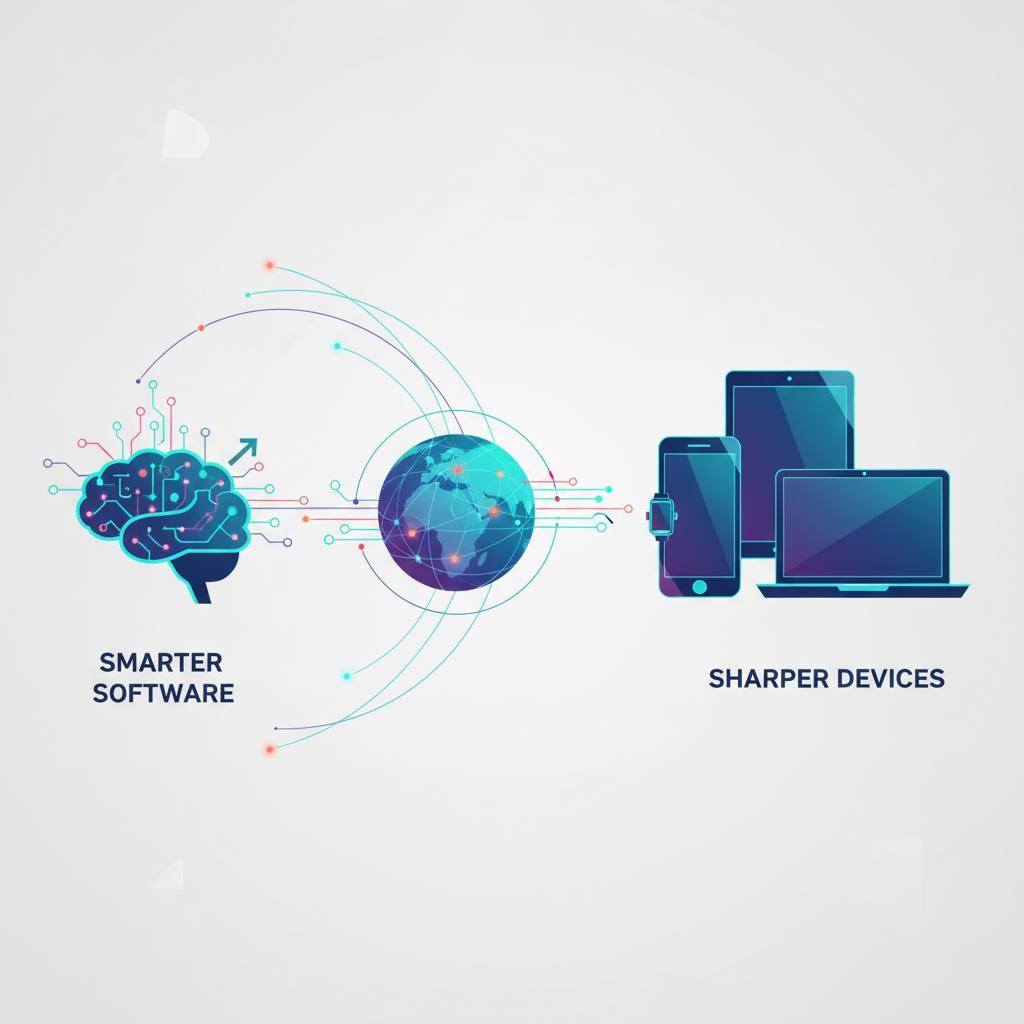
We see technology moving towards more integrated software development powered by AI, ever-improving hardware supporting richer experiences, and a growing emphasis on seamless global digital content. Expect smarter creation tools and a world that feels more connected through polished tech.
Today's tech landscape points to significant shifts in how digital products are built and delivered. First, in software development, recent advances, such as using AI agents to construct complete Continuous Integration (CI) pipelines, show that AI is moving beyond generating code snippets to orchestrating entire workflows. We are heading towards a future where developers collaborate closely with AI agents, which can manage project requirements all the way to pull requests, providing verifiable evidence for each step. This will enable humans to focus on high-level design, complex problem-solving, and quality assurance, while machines handle repetitive tasks. This approach will lead to faster development cycles and more reliable software.
On the hardware front, consumer electronics, particularly smartphones, continue their steady path of incremental improvement. Leaks about the upcoming Realme 17 Pro series highlight a focus on high-resolution, fast-refresh-rate screens and powerful processors. These enhancements, while evolutionary rather than revolutionary, remain crucial. They provide the necessary foundation to support the smarter software being built with AI and enable richer user experiences, especially in gaming and multimedia. We expect this pattern of consistent upgrades to continue, ensuring our devices are always capable of handling the increasing demands of digital content and applications.
Finally, building global, multi-language websites, as seen with Custom Sign Forge's experience, underscores the growing complexities of reaching an international audience. It's not just about translating text; it extends to adapting product pages, imagery, enquiry flows, and search meta for diverse cultural and linguistic contexts. As AI accelerates software development and hardware continues to deliver more power, the demand for truly polished global digital products will grow. This means we will see new tools and techniques emerge to help manage this complexity, perhaps even utilizing AI itself to detect localization bugs and adapt content automatically. The goal is to deliver seamless and informative digital experiences, regardless of a user's language or location. These trends collectively paint a picture of a tech world that is becoming more intelligent in its creation, more powerful in its delivery, and more inclusive in its reach.