The tech world is heading towards an era of continuously evolving software, where rapid OS updates for all devices are the norm. This acceleration demands smarter development practices, pushing companies to tackle technical debt head-on and embrace autonomous 'loop engineering' to keep pace.
We are living through a period of rapid transformation in the tech world, where evolution never stops. What we observe today points to a future where software updates accelerate and systems become more intelligent, yet this progress comes with its own set of challenges.
Samsung, for instance, has already begun working on One UI 9 for the Galaxy A24 4G, even before the One UI 8.5 update has fully stabilized. This is more than just news; it’s a clear indicator that operating system update cycles will become faster and more agile, not limited to flagship phones alone. We anticipate that mid-range phones will receive advanced updates almost continuously, extending device longevity and improving user experience. For developers, this means a constantly shifting environment, demanding greater adaptability and rapid innovation.
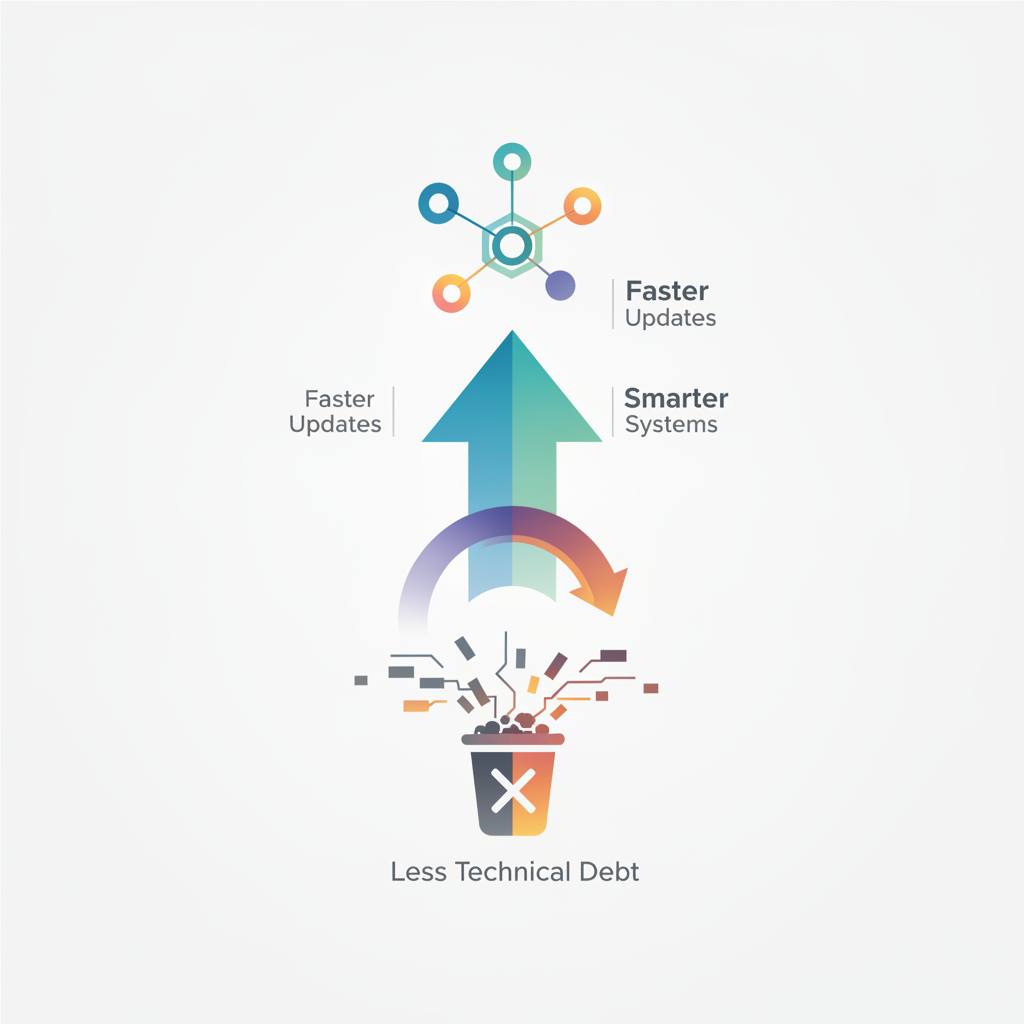
This acceleration highlights another underlying issue: the true cost of technical debt. We've seen how a single rushed architectural decision can incur millions in losses over the long term. With constant pressure to launch products quickly, 'shortcuts' are often taken, leading to complexities and exorbitant costs later. We predict that companies will increasingly realize that investing in robust software architecture from the outset, and proactively addressing technical debt, is not a luxury but an essential economic necessity. Tools and methodologies for managing technical debt will become a fundamental part of any successful development process.
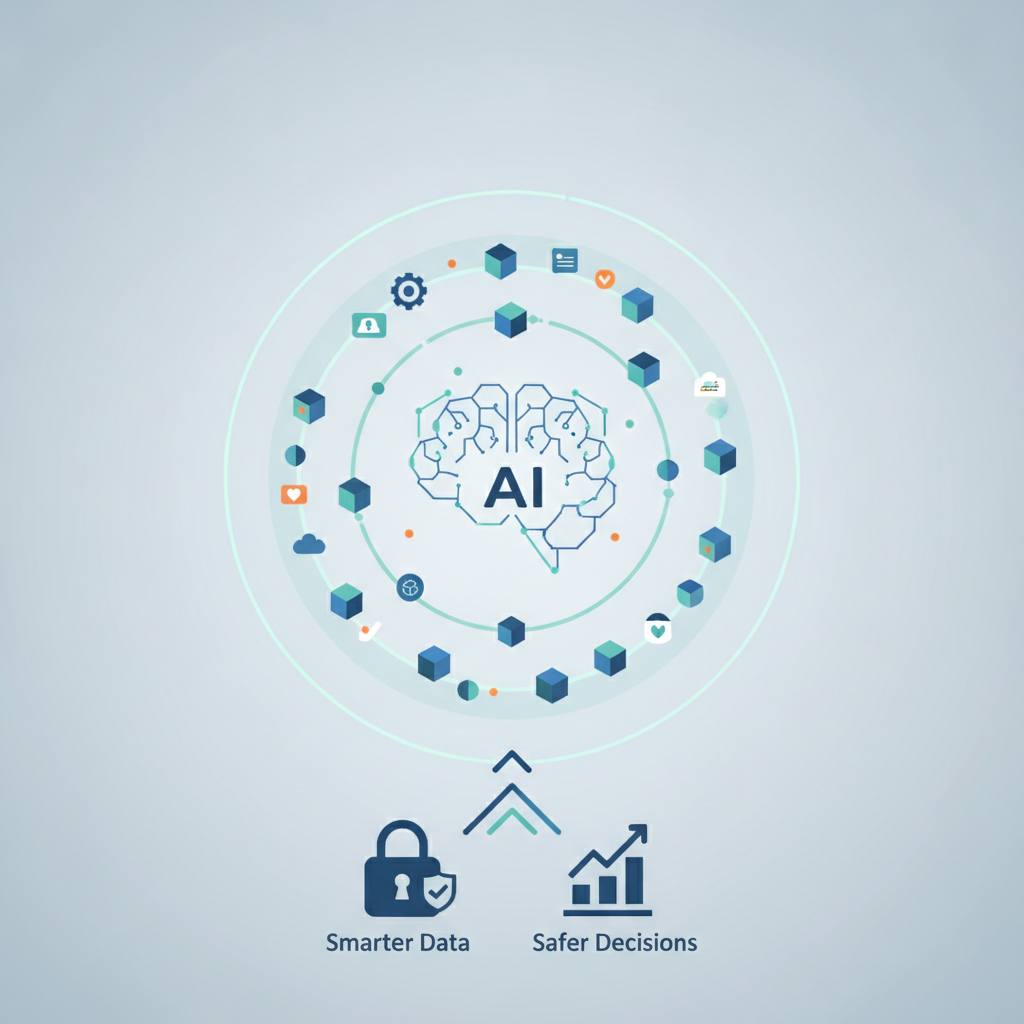
This is where Loop Engineering comes in. Instead of humans writing every instruction for software, this engineering approach focuses on designing intelligent systems that can discover tasks, execute them, and verify their results autonomously. Imagine a system capable of automatically fixing bugs or updating components based on the operating environment. This shift will free developers to focus on higher-level system design and complex problem-solving, rather than daily details. These self-regulating systems can be an effective solution to keep pace with rapid updates and even help reduce technical debt through continuous maintenance and adaptation.
In conclusion, the future points to a highly dynamic software environment. Continuous updates across all devices, a deeper recognition of the importance of engineering quality, and an increasing reliance on intelligent, self-regulating systems. These are the key components that will shape the next generation of technology.
Samsung, for instance, has already begun working on One UI 9 for the Galaxy A24 4G, even before the One UI 8.5 update has fully stabilized. This is more than just news; it’s a clear indicator that operating system update cycles will become faster and more agile, not limited to flagship phones alone. We anticipate that mid-range phones will receive advanced updates almost continuously, extending device longevity and improving user experience. For developers, this means a constantly shifting environment, demanding greater adaptability and rapid innovation.
This acceleration highlights another underlying issue: the true cost of technical debt. We've seen how a single rushed architectural decision can incur millions in losses over the long term. With constant pressure to launch products quickly, 'shortcuts' are often taken, leading to complexities and exorbitant costs later. We predict that companies will increasingly realize that investing in robust software architecture from the outset, and proactively addressing technical debt, is not a luxury but an essential economic necessity. Tools and methodologies for managing technical debt will become a fundamental part of any successful development process.
This is where Loop Engineering comes in. Instead of humans writing every instruction for software, this engineering approach focuses on designing intelligent systems that can discover tasks, execute them, and verify their results autonomously. Imagine a system capable of automatically fixing bugs or updating components based on the operating environment. This shift will free developers to focus on higher-level system design and complex problem-solving, rather than daily details. These self-regulating systems can be an effective solution to keep pace with rapid updates and even help reduce technical debt through continuous maintenance and adaptation.
In conclusion, the future points to a highly dynamic software environment. Continuous updates across all devices, a deeper recognition of the importance of engineering quality, and an increasing reliance on intelligent, self-regulating systems. These are the key components that will shape the next generation of technology.