The next wave of tech will focus on smart, adaptive systems that overcome real-world limitations, address cost barriers to make innovation more widely accessible, and prioritize user well-being by encouraging balanced digital habits.
This week’s news offers key insights into the evolving direction of technology. It’s no longer just about pushing new features, but about how technology adapts to real-world challenges and user needs. The next phase seems poised to be about smart systems that balance power, price, and human well-being.
Take drone mapping, for instance. We know high accuracy is crucial, but consistently achieving it can be tricky in complex environments like hilly terrain or urban canyons where correction links might drop. The news suggests the solution lies in combining real-time and post-processing techniques. This means the future will see smarter drone systems, capable of seamlessly switching between methods or integrating them. High accuracy won’t be a feature dependent on perfect conditions; it will be a standard achievable thanks to adaptive technologies that compensate for environmental challenges. These drones will become more ‘aware’ of their surroundings, adapting to ensure the best possible results.
On another front, the issue of cost is prominent with new and innovative devices like foldable phones. Despite their appeal, skyrocketing costs of components such as memory chips make them prohibitively expensive. The poll results clearly show that while people want this technology, they are waiting for price cuts. This puts significant pressure on manufacturers to innovate not just in design, but also in supply chains and manufacturing processes. We anticipate seeing greater efforts to make these advanced technologies accessible to a wider consumer base, perhaps through simpler models or by exploring alternative materials and production methods to drive down costs without sacrificing quality. Price will be a critical factor in the widespread adoption of these devices.
Finally, there’s a growing movement within the tech community itself towards fostering digital well-being. The Hacktoberfest app that encourages users to ‘put it away’ and ‘touch grass’ is a clear example. This indicates that developers are increasingly recognizing the need to design technology that promotes life balance, rather than just maximizing screen time. In the future, apps and smart devices will integrate features aimed at improving our mental and physical health, reminding us to take breaks or engage in off-screen activities. The focus will be on a holistic user experience that values our time and connection to the world around us.
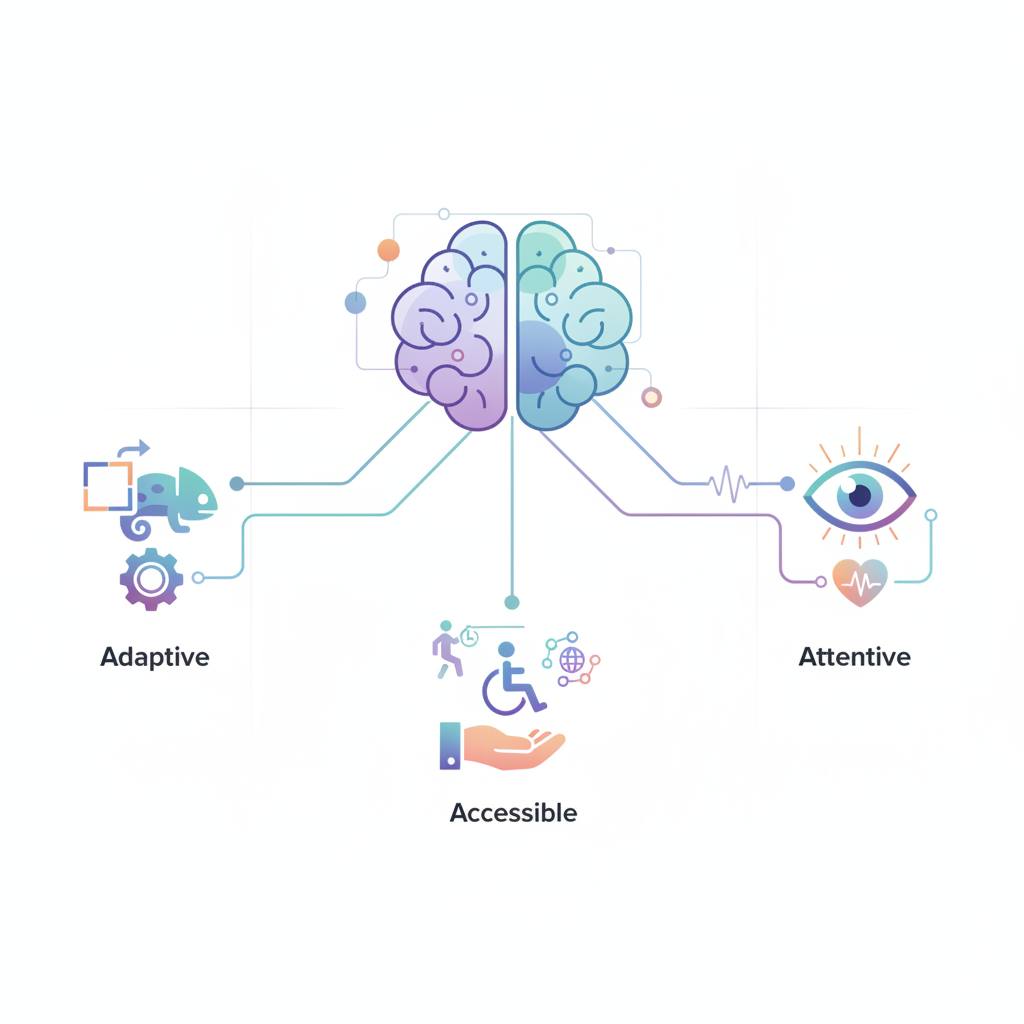
Overall, the upcoming developments revolve around smarter technologies that adapt to environmental challenges, become more accessible, and respect our digital health. Technology will integrate into our lives, but in a more thoughtful and human-centric way.
Take drone mapping, for instance. We know high accuracy is crucial, but consistently achieving it can be tricky in complex environments like hilly terrain or urban canyons where correction links might drop. The news suggests the solution lies in combining real-time and post-processing techniques. This means the future will see smarter drone systems, capable of seamlessly switching between methods or integrating them. High accuracy won’t be a feature dependent on perfect conditions; it will be a standard achievable thanks to adaptive technologies that compensate for environmental challenges. These drones will become more ‘aware’ of their surroundings, adapting to ensure the best possible results.
On another front, the issue of cost is prominent with new and innovative devices like foldable phones. Despite their appeal, skyrocketing costs of components such as memory chips make them prohibitively expensive. The poll results clearly show that while people want this technology, they are waiting for price cuts. This puts significant pressure on manufacturers to innovate not just in design, but also in supply chains and manufacturing processes. We anticipate seeing greater efforts to make these advanced technologies accessible to a wider consumer base, perhaps through simpler models or by exploring alternative materials and production methods to drive down costs without sacrificing quality. Price will be a critical factor in the widespread adoption of these devices.
Finally, there’s a growing movement within the tech community itself towards fostering digital well-being. The Hacktoberfest app that encourages users to ‘put it away’ and ‘touch grass’ is a clear example. This indicates that developers are increasingly recognizing the need to design technology that promotes life balance, rather than just maximizing screen time. In the future, apps and smart devices will integrate features aimed at improving our mental and physical health, reminding us to take breaks or engage in off-screen activities. The focus will be on a holistic user experience that values our time and connection to the world around us.
Overall, the upcoming developments revolve around smarter technologies that adapt to environmental challenges, become more accessible, and respect our digital health. Technology will integrate into our lives, but in a more thoughtful and human-centric way.