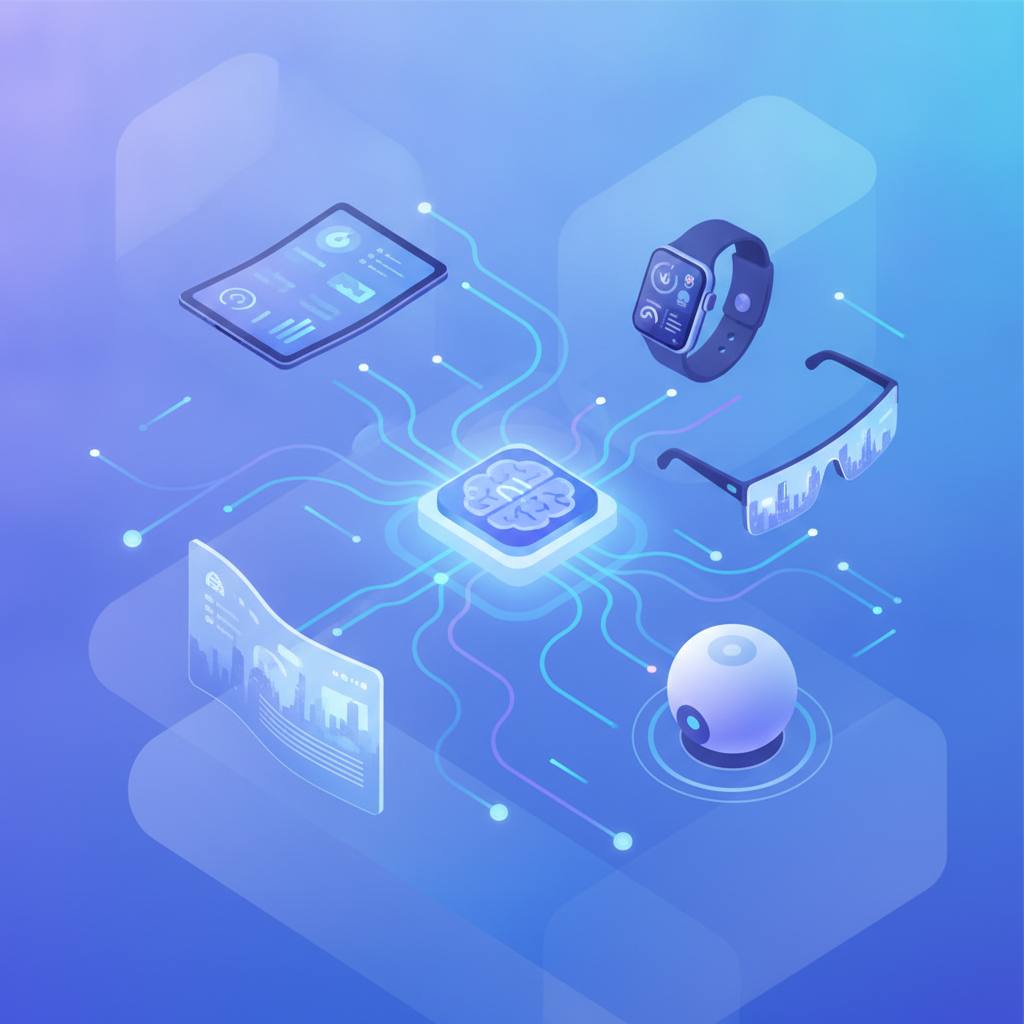
Today's news points to a tech future marked by more market-specific hardware, new ways to uncover hidden software glitches, and automated tools to make data handling simpler and more accurate. These combined developments paint a picture of a future where technology becomes smarter and more adaptable.
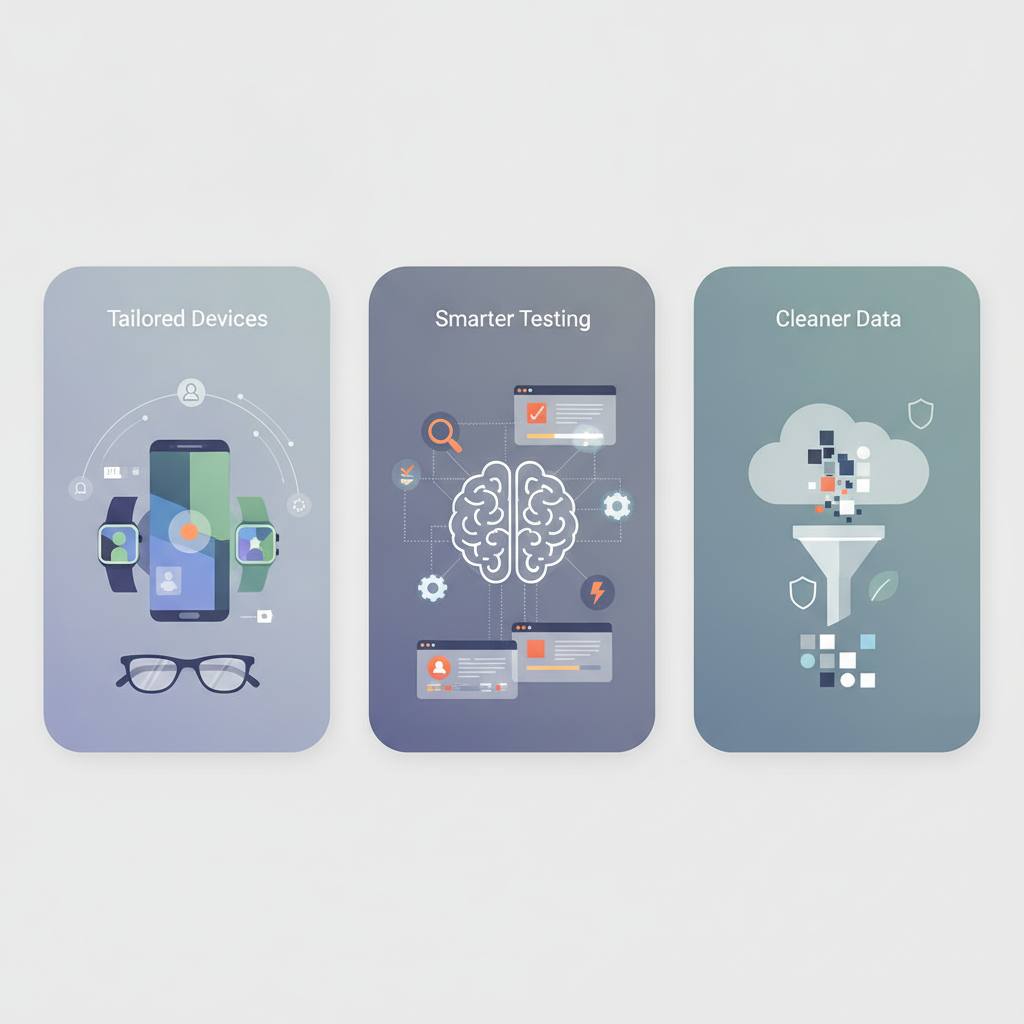
Today's news highlights three key trends shaping the future of technology. First, hardware companies like OnePlus are planning to launch multiple flagship versions, some tailored specifically for regional markets. This tells us we'll see more custom-fit products. Companies are adapting to diverse consumer needs worldwide, moving away from a one-size-fits-all approach. Expect to see more 'local versions' of popular devices, with specifications and features that might differ slightly to suit varying tastes and budgets in regions like India or beyond. This won't just be for smartphones; this strategy will appear in tablets and wearables too.
Second, the spotlight is on software development challenges, especially when code behaves differently across various environments. Developers are encountering complex issues where remote tests fail despite passing locally. This signals a growing need for better ways to diagnose these hidden problems. In the future, we'll see more sophisticated software testing tools that can 'fingerprint' different environments. These tools will record not just the code and data, but also details about system and language settings, reducing surprises when software is deployed. This will save developers a lot of time and make software more reliable across the internet.
Third, there's a clear and increasing need for automated tools to handle data. Turning repetitive CSV checks into a simple command-line tool is a great example of how developers are tackling routine data tasks. We expect this philosophy to grow. More specialized tools will emerge, not just for detecting missing values or duplicate rows, but also for validating date formats and mixed types. These tools, often open-source and easy to use, will become a fundamental part of the workflow for anyone regularly dealing with data. The goal is to streamline the data cleaning process and reduce human error, freeing up people to focus on data analysis rather than correction.
Overall, technology is evolving to be smarter and more adaptable. Companies will focus on meeting local needs better, software developers will be able to build more robust applications, and data professionals will find easier ways to keep their information tidy. This near-term future isn't about massive, grand innovations, but about thoughtful improvements that make technology work better and more smoothly in our everyday lives.
Second, the spotlight is on software development challenges, especially when code behaves differently across various environments. Developers are encountering complex issues where remote tests fail despite passing locally. This signals a growing need for better ways to diagnose these hidden problems. In the future, we'll see more sophisticated software testing tools that can 'fingerprint' different environments. These tools will record not just the code and data, but also details about system and language settings, reducing surprises when software is deployed. This will save developers a lot of time and make software more reliable across the internet.
Third, there's a clear and increasing need for automated tools to handle data. Turning repetitive CSV checks into a simple command-line tool is a great example of how developers are tackling routine data tasks. We expect this philosophy to grow. More specialized tools will emerge, not just for detecting missing values or duplicate rows, but also for validating date formats and mixed types. These tools, often open-source and easy to use, will become a fundamental part of the workflow for anyone regularly dealing with data. The goal is to streamline the data cleaning process and reduce human error, freeing up people to focus on data analysis rather than correction.
Overall, technology is evolving to be smarter and more adaptable. Companies will focus on meeting local needs better, software developers will be able to build more robust applications, and data professionals will find easier ways to keep their information tidy. This near-term future isn't about massive, grand innovations, but about thoughtful improvements that make technology work better and more smoothly in our everyday lives.