Discover how iPhone apps can send push notifications directly through Apple's own service (APNs) instead of relying on third-party intermediaries like Firebase. This method offers a streamlined, efficient way to keep you informed without extra software.
Imagine your phone buzzing with a new message, a news alert, or a reminder. These are push notifications that keep you informed! For a long time, many apps, especially on iPhones, relied on big third-party services like Firebase to deliver these. Firebase is a handy tool, but the news tells us that using it for push notifications means adding Google's software to your app and setting up another service to manage. It's a bit like wanting to send a letter directly to a friend across town, but instead of just taking it to your local post office, you give it to a special courier service. This courier then takes it to «another» larger courier company, who «finally» delivers it to the local post office for your friend. It works, but it adds extra steps, complexity, and dependencies.
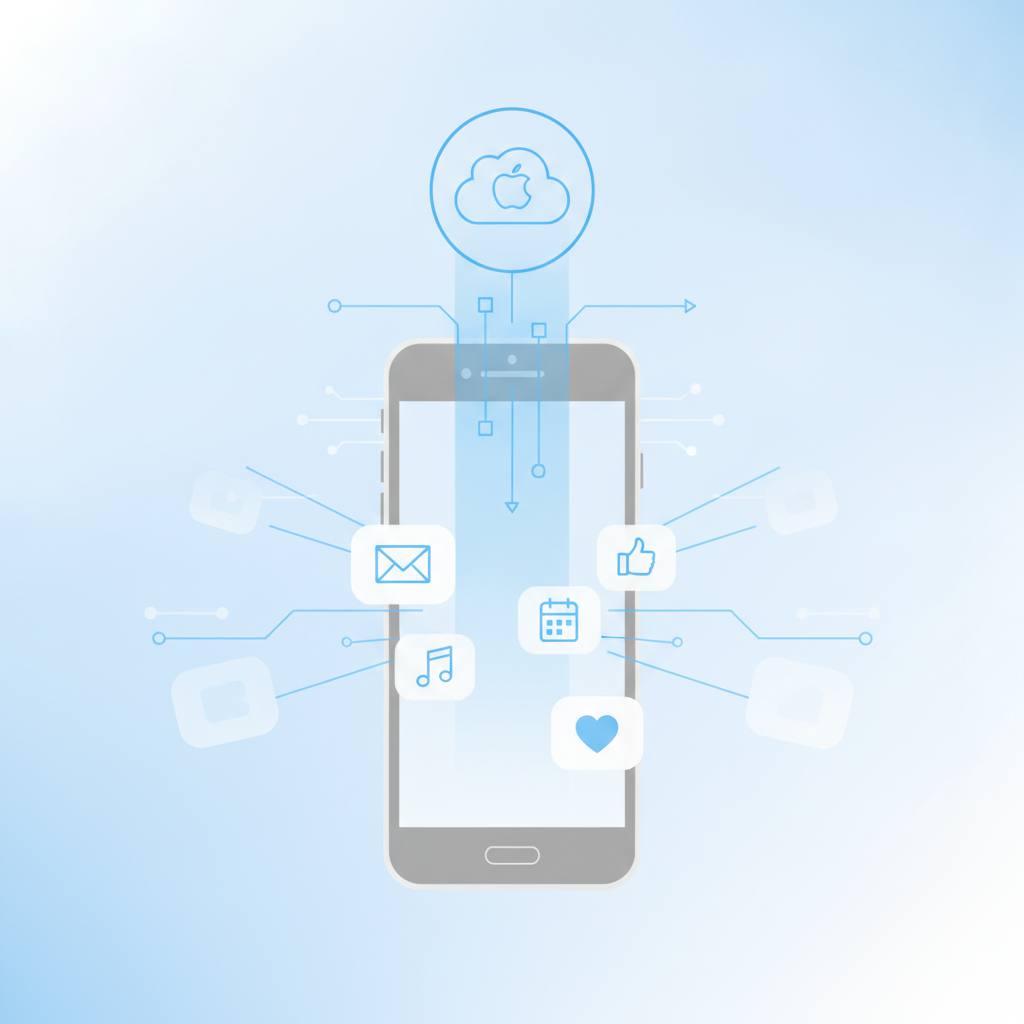
The exciting insight from today's news is that developers don't always need these extra steps. Apple «itself» provides a direct, official service for sending notifications, known as the Apple Push Notification service (APNs). Think of APNs as Apple's own super-efficient, secure postal service designed specifically for delivering these digital 'letters' (notifications) straight to your iPhones.
So, how does it work directly? When an app's server wants to send you a notification, it doesn't send it through Firebase. Instead, it prepares the message and sends it directly to APNs. To do this, the server needs a special 'key' – imagine it as a unique, secure ID card that proves the app is authorized to send notifications. It also needs a 'device token,' which is like the unique street address for your specific iPhone, telling APNs exactly where to deliver the message. APNs then takes this message and pushes it directly to your device.
By talking directly to APNs, developers can simplify their app's backend, reduce the amount of extra software bundled into their app, and maintain more direct control over the notification process. It's about choosing the most direct and efficient route. This method is often preferred by those seeking leaner applications and more precise management of their infrastructure. Ultimately, it means your app relies less on third-party intermediaries, leading to a potentially smoother and more streamlined experience for everyone involved.
The exciting insight from today's news is that developers don't always need these extra steps. Apple «itself» provides a direct, official service for sending notifications, known as the Apple Push Notification service (APNs). Think of APNs as Apple's own super-efficient, secure postal service designed specifically for delivering these digital 'letters' (notifications) straight to your iPhones.
So, how does it work directly? When an app's server wants to send you a notification, it doesn't send it through Firebase. Instead, it prepares the message and sends it directly to APNs. To do this, the server needs a special 'key' – imagine it as a unique, secure ID card that proves the app is authorized to send notifications. It also needs a 'device token,' which is like the unique street address for your specific iPhone, telling APNs exactly where to deliver the message. APNs then takes this message and pushes it directly to your device.
By talking directly to APNs, developers can simplify their app's backend, reduce the amount of extra software bundled into their app, and maintain more direct control over the notification process. It's about choosing the most direct and efficient route. This method is often preferred by those seeking leaner applications and more precise management of their infrastructure. Ultimately, it means your app relies less on third-party intermediaries, leading to a potentially smoother and more streamlined experience for everyone involved.