This article explores the world of quantum-resistant digital signatures, explaining why they are significantly larger than traditional ones and the compatibility challenges that arise as these new technologies evolve.
Have you heard of a digital signature that's 4,595 bytes long? This might sound unusual, especially when compared to a traditional signature of just 64 bytes. But this is the new reality with quantum-resistant digital signature algorithms like the recently adopted CRYSTALS-Dilithium-5, which the news highlights as subtly different from ML-DSA-87.
What are digital signatures, anyway? Think of them as a unique electronic fingerprint that verifies who sent a message or transaction, and guarantees it hasn't been altered along the way. They are the cornerstone of internet security today, from emails to bank transactions and cryptocurrencies, ensuring that the person claiming to be 'you' is indeed you, and your message hasn't been tampered with.
The problem lies in the future. Quantum computers, once they become powerful enough, could easily break current digital signatures. That's why scientists around the world are developing a new generation of signatures known as «post-quantum cryptography» or «quantum-safe signatures.»
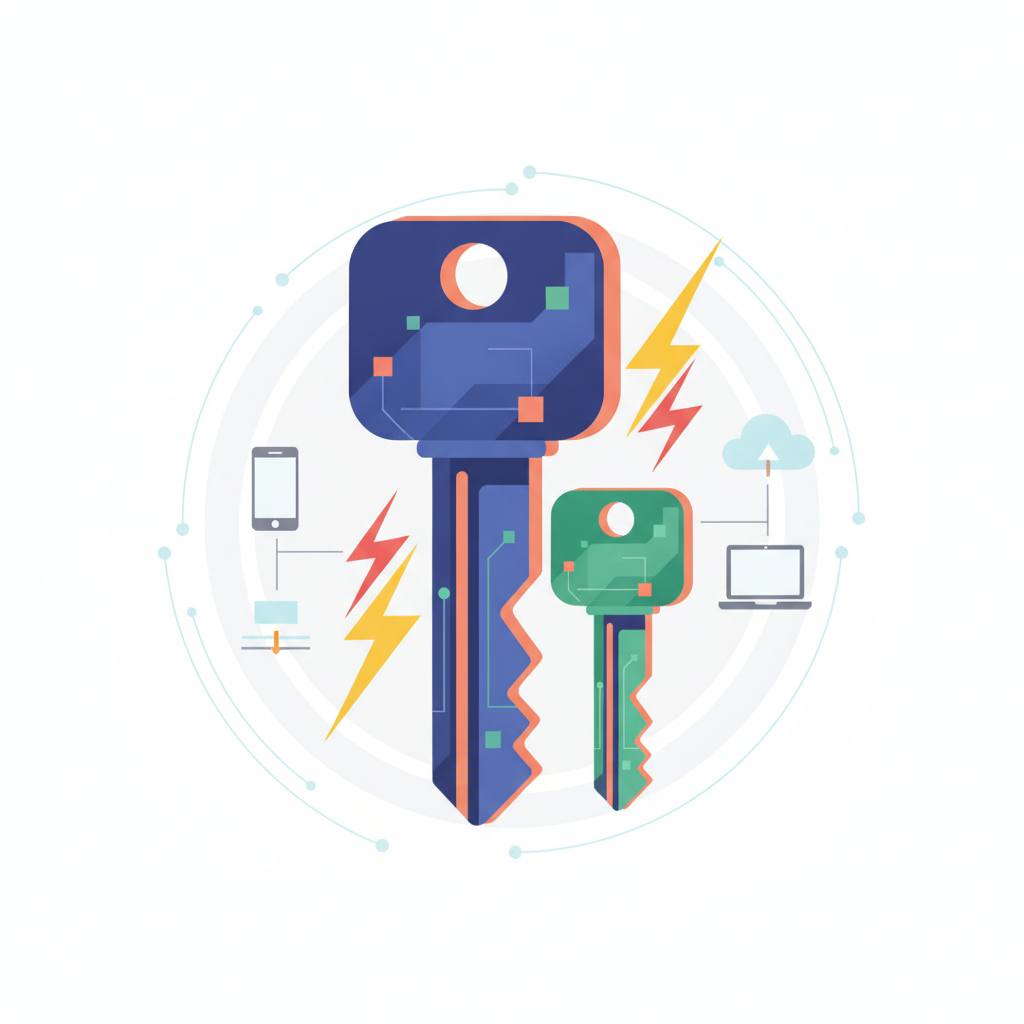
These new signatures, like Dilithium mentioned in the news, are designed to be so complex that even the strongest quantum computers won't be able to crack them. But this strength comes at a cost: they are much larger. Imagine your handwritten signature now requiring a complex diagram instead of just a few lines; that's the jump in size we're seeing, with signatures potentially being about 65 times larger than traditional ones.
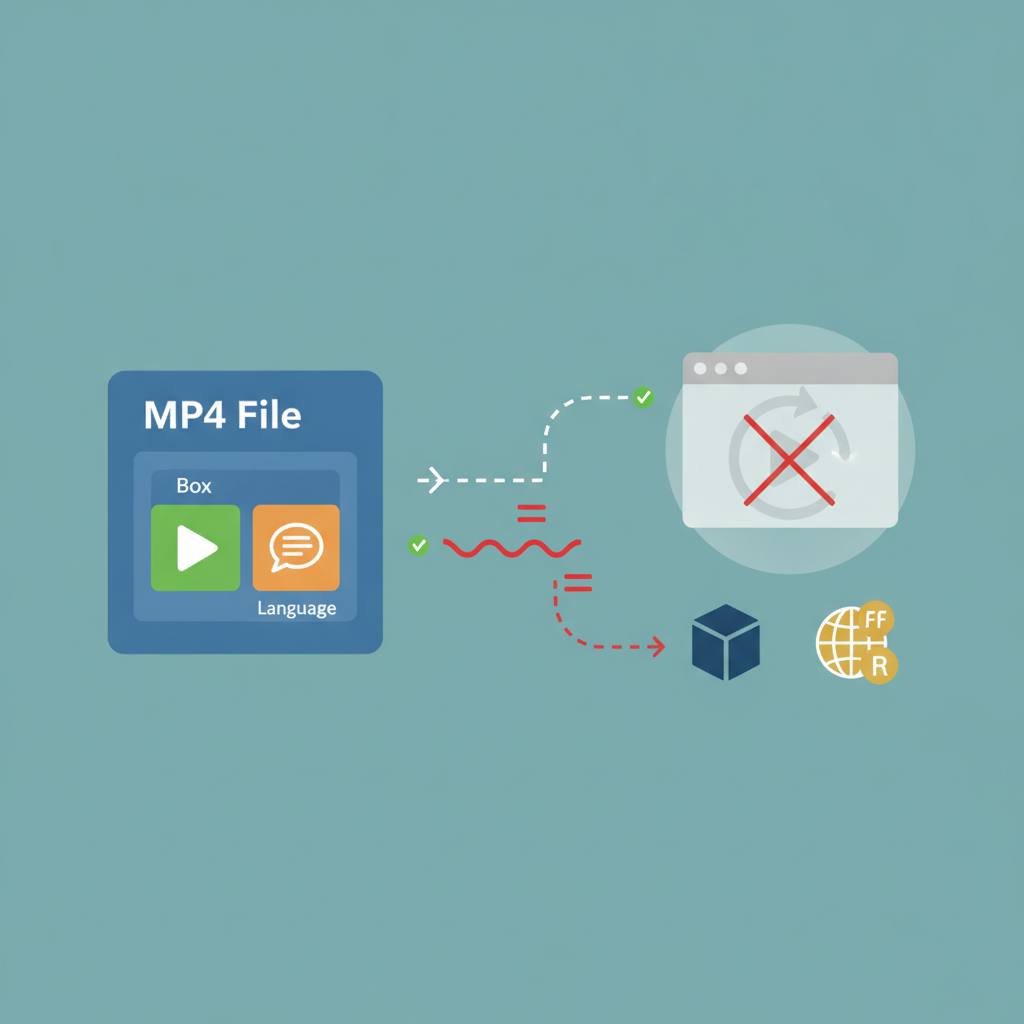
The challenges aren't limited to size. As the news item points out, even within the same 'family' of algorithms, like Dilithium-5 and ML-DSA-87 (also known as FIPS 204), subtle differences exist. For instance, an ML-DSA-87 signature is 4,627 bytes, distinct from the 4,595 bytes of Dilithium-5. These differences, even if minor, mean that systems using one cannot directly 'speak' with systems using the other without modifications. It's like two different dialects of the same language; you might understand the core, but the communication details differ, creating unexpected compatibility issues for developers.
This illustrates that the transition to a post-quantum world is a complex process filled with challenges, not only in designing new algorithms but also in standardizing and practically implementing them to ensure compatibility and security in our evolving digital world. At WondTech, we follow these developments to keep you informed.
What are digital signatures, anyway? Think of them as a unique electronic fingerprint that verifies who sent a message or transaction, and guarantees it hasn't been altered along the way. They are the cornerstone of internet security today, from emails to bank transactions and cryptocurrencies, ensuring that the person claiming to be 'you' is indeed you, and your message hasn't been tampered with.
The problem lies in the future. Quantum computers, once they become powerful enough, could easily break current digital signatures. That's why scientists around the world are developing a new generation of signatures known as «post-quantum cryptography» or «quantum-safe signatures.»
These new signatures, like Dilithium mentioned in the news, are designed to be so complex that even the strongest quantum computers won't be able to crack them. But this strength comes at a cost: they are much larger. Imagine your handwritten signature now requiring a complex diagram instead of just a few lines; that's the jump in size we're seeing, with signatures potentially being about 65 times larger than traditional ones.
The challenges aren't limited to size. As the news item points out, even within the same 'family' of algorithms, like Dilithium-5 and ML-DSA-87 (also known as FIPS 204), subtle differences exist. For instance, an ML-DSA-87 signature is 4,627 bytes, distinct from the 4,595 bytes of Dilithium-5. These differences, even if minor, mean that systems using one cannot directly 'speak' with systems using the other without modifications. It's like two different dialects of the same language; you might understand the core, but the communication details differ, creating unexpected compatibility issues for developers.
This illustrates that the transition to a post-quantum world is a complex process filled with challenges, not only in designing new algorithms but also in standardizing and practically implementing them to ensure compatibility and security in our evolving digital world. At WondTech, we follow these developments to keep you informed.