As multi-tenant applications and AI-driven systems grow more complex, we anticipate a shift towards smarter, more integrated solutions for resource and data management. Tools offering precise control over usage and access, alongside robust design patterns, will become cornerstones for future platforms.
The world of software development is rapidly evolving, and with this evolution comes increasing complexity in applications and systems. It's no longer enough to build software that simply works; it must operate efficiently, be scalable, and adapt to changing requirements. This leads us to three key areas shaping the future of software system management.
First, granular resource management: Basic rate limiters are no longer sufficient. With solutions like «nestjs-quota» emerging, there is a clear need for precise API usage control. It’s not just about how many requests, but who is making them, when, for what purpose, and against multiple limits simultaneously (e.g., per user per month, per tenant per day). This reflects a trend towards software resource management systems capable of understanding the real context of usage, providing accurate data for billing and dashboards, ensuring fairness and efficiency in resource allocation across multiple tenants.
Second, robust design patterns as a foundation: Software design patterns—such as Factory, Singleton, Observer, and Decorator—remain the compass guiding developers towards writing flexible, reliable code. In a world where innovation and change accelerate, these fundamental patterns are still essential for building maintainable and scalable systems. They ensure that complex components, whether managing quotas or interacting with AI, are built on reliable, adaptable foundations, reducing technical debt in the long run.
Third, AI's memory challenge: With the rapid rise of Large Language Models (LLMs) and intelligent agents, a new challenge has emerged: how to effectively manage long conversation histories. Solutions like «agent memory handoff,» which reduce the amount of history the LLM carries in its active context while preserving essential information for recall, illustrate this trend. This is not merely about shrinking a database; it is intelligent information management to achieve operational efficiency and maintain AI effectiveness.
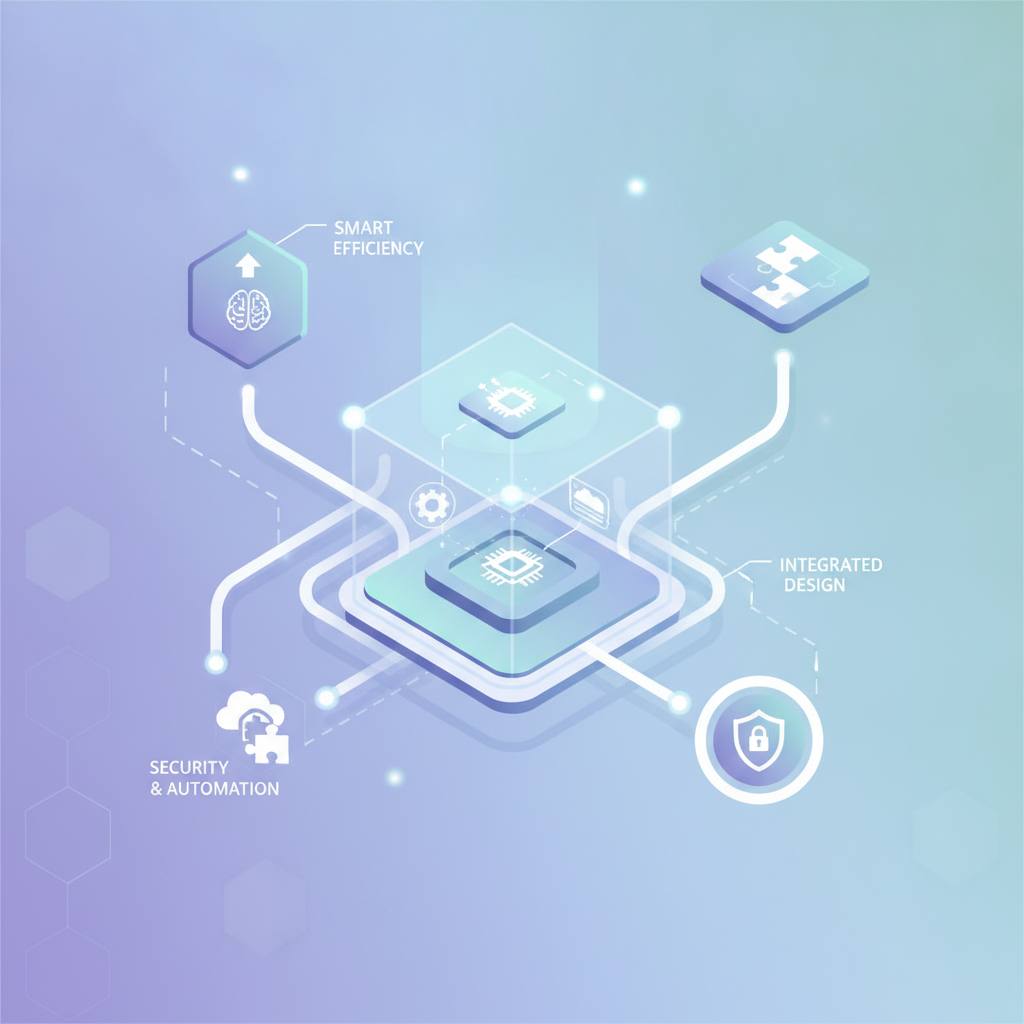
At WondTech, we predict that the future of software development will see a deeper integration of these fields. Granular quota management, robust design patterns, and intelligent AI memory handling will not remain disparate solutions. Instead, we expect to see integrated ecosystems that offer built-in tools for precise resource control, underpinned by proven design patterns, and specifically engineered to navigate the complexities of smart and AI-driven systems. These solutions will become core components of the frameworks we use. The goal is to build software that not only functions but does so efficiently, resiliently, and intelligently, ready for future demands, thereby freeing developers to focus on innovation.
First, granular resource management: Basic rate limiters are no longer sufficient. With solutions like «nestjs-quota» emerging, there is a clear need for precise API usage control. It’s not just about how many requests, but who is making them, when, for what purpose, and against multiple limits simultaneously (e.g., per user per month, per tenant per day). This reflects a trend towards software resource management systems capable of understanding the real context of usage, providing accurate data for billing and dashboards, ensuring fairness and efficiency in resource allocation across multiple tenants.
Second, robust design patterns as a foundation: Software design patterns—such as Factory, Singleton, Observer, and Decorator—remain the compass guiding developers towards writing flexible, reliable code. In a world where innovation and change accelerate, these fundamental patterns are still essential for building maintainable and scalable systems. They ensure that complex components, whether managing quotas or interacting with AI, are built on reliable, adaptable foundations, reducing technical debt in the long run.
Third, AI's memory challenge: With the rapid rise of Large Language Models (LLMs) and intelligent agents, a new challenge has emerged: how to effectively manage long conversation histories. Solutions like «agent memory handoff,» which reduce the amount of history the LLM carries in its active context while preserving essential information for recall, illustrate this trend. This is not merely about shrinking a database; it is intelligent information management to achieve operational efficiency and maintain AI effectiveness.
At WondTech, we predict that the future of software development will see a deeper integration of these fields. Granular quota management, robust design patterns, and intelligent AI memory handling will not remain disparate solutions. Instead, we expect to see integrated ecosystems that offer built-in tools for precise resource control, underpinned by proven design patterns, and specifically engineered to navigate the complexities of smart and AI-driven systems. These solutions will become core components of the frameworks we use. The goal is to build software that not only functions but does so efficiently, resiliently, and intelligently, ready for future demands, thereby freeing developers to focus on innovation.