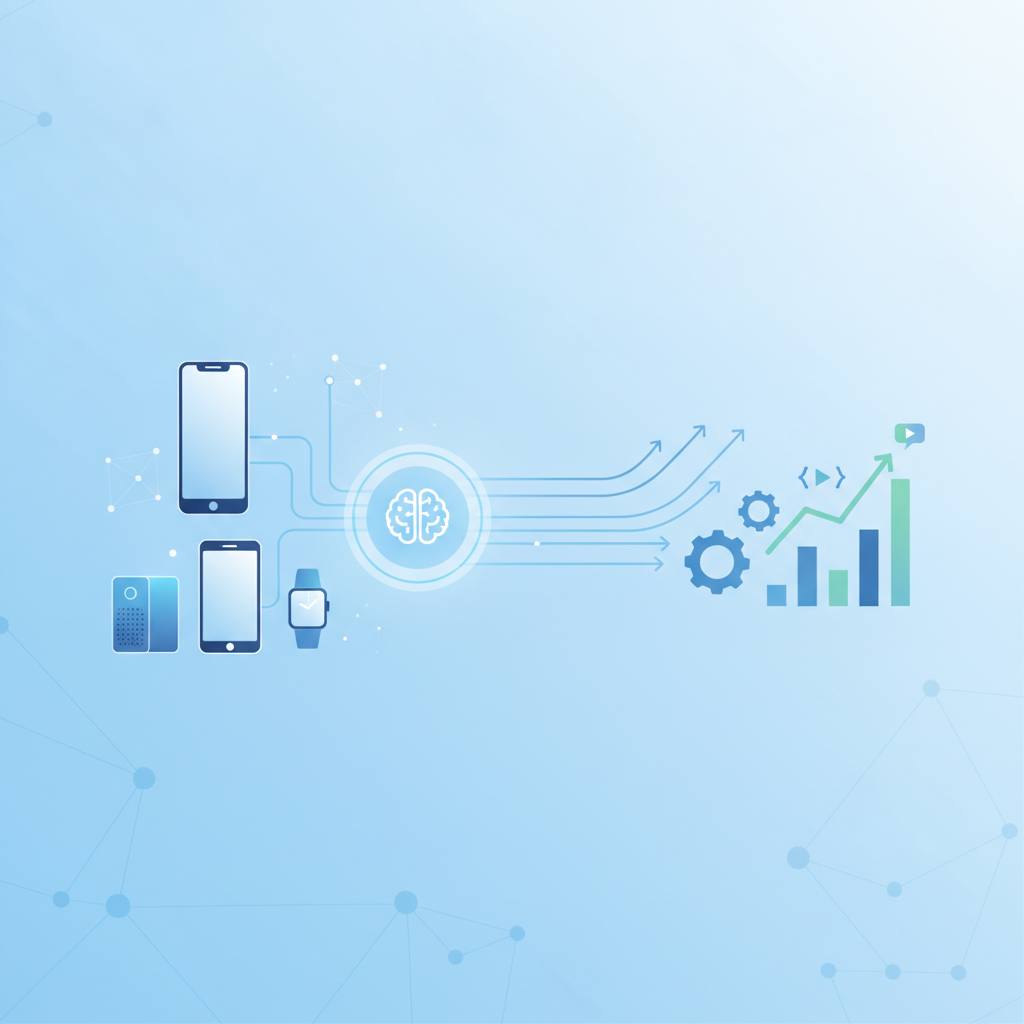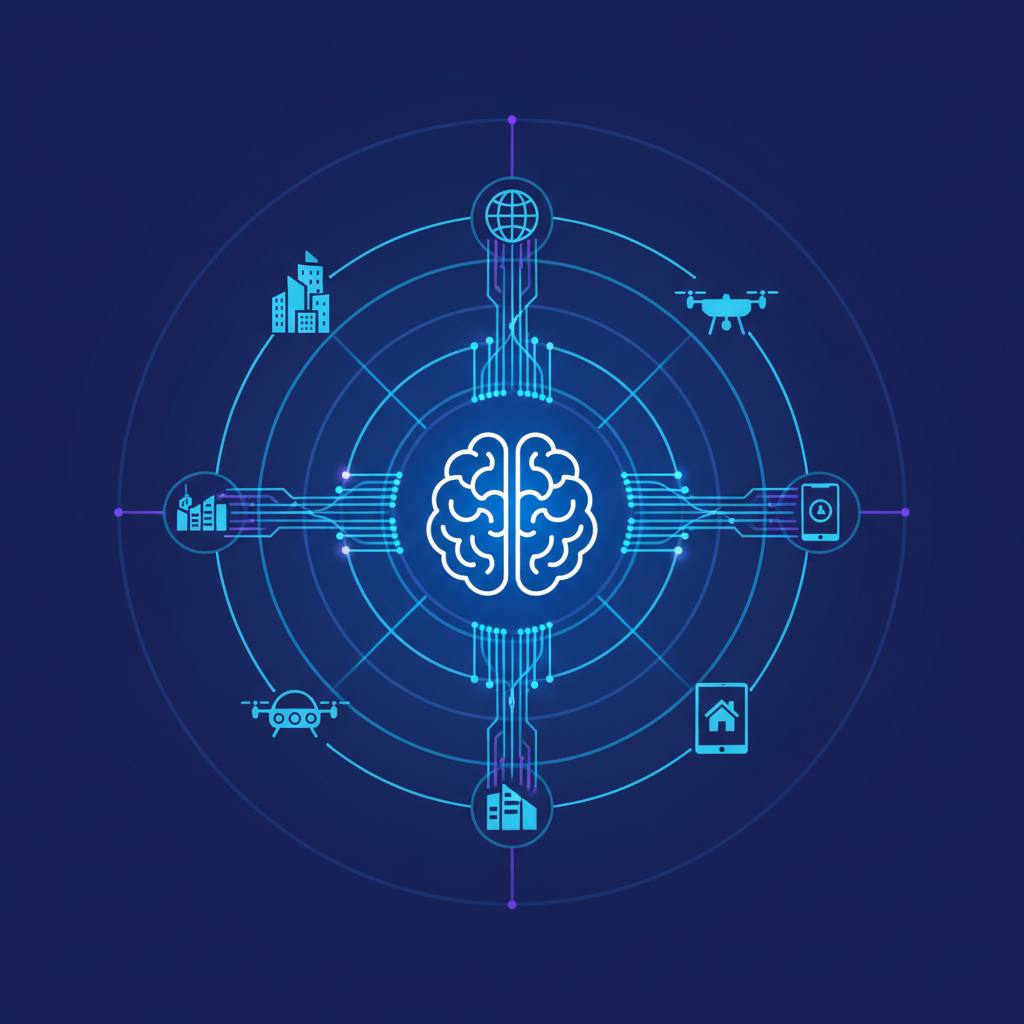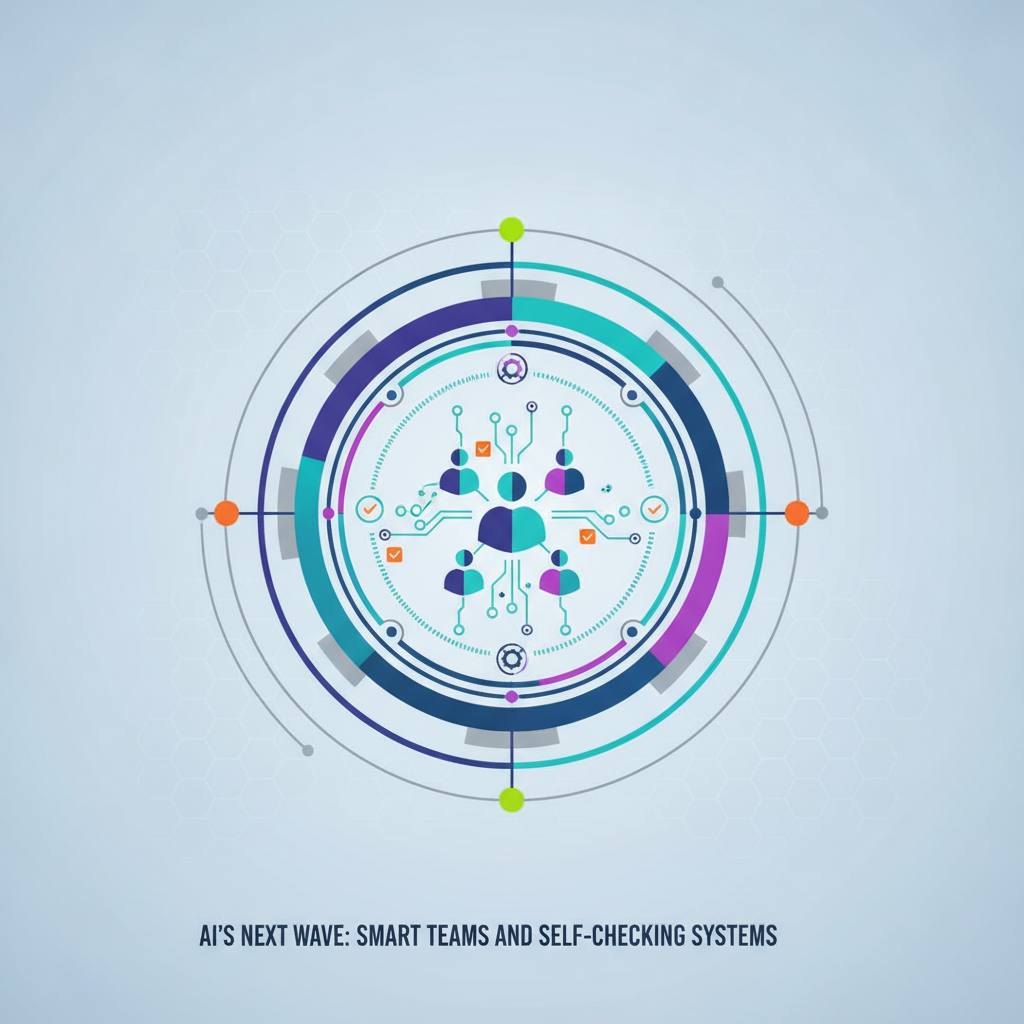
AI is rapidly evolving from single tools to sophisticated teams of agents that can collaborate, research, and even make purchases. The crucial next step will be integrating built-in verification, making these intelligent systems more reliable and trustworthy for everyday use.
Artificial intelligence is rapidly moving towards teamwork, mirroring how human teams operate. It is no longer just a single tool performing a simple task; we are talking about entire systems of «intelligent agents» collaborating to accomplish complex missions. Imagine an AI team that plans a research task, then searches the web and analyzes sources, writes up the findings, and then checks all of it before presenting it to you. Such systems will not only be able to work together but will also provide transparent insight into how they performed the task, what resources they consumed, and which agent handled which part of the work. This level of machine collaboration will transform how we process information and solve complex problems.
But with this increasing power comes a growing need for trust and reliability. This is where «self-checking systems» become crucial. It is no longer enough for AI to generate answers or provide services; it must be capable of verifying its own work. We have seen how simple code rules failed to detect errors in complex answers, while AI «judge» models successfully caught all non-numeric factual errors and inappropriate personal advice. This indicates that future AI systems will not solely rely on traditional code for verification but will integrate other specialized AI models for auditing and evaluation. This hybrid approach of code-based controls and intelligent AI-powered scrutiny will ensure high accuracy and trustworthiness, especially in sensitive areas like financial information.
These reliable, collaborative AI systems are poised to integrate more deeply into our daily lives. By embedding AI directly into online purchasing processes, shopping will become smoother and more intuitive. You will not have to navigate different apps or websites; instead, you will be able to ask questions or request products directly through a smart AI interface. This signifies not just convenience but also that AI will take on greater responsibility in handling actual transactions. So, expect to see AI systems diligently working like human teams, with a built-in capacity to verify their own work, paving the way for a safer and more effective digital experience.
But with this increasing power comes a growing need for trust and reliability. This is where «self-checking systems» become crucial. It is no longer enough for AI to generate answers or provide services; it must be capable of verifying its own work. We have seen how simple code rules failed to detect errors in complex answers, while AI «judge» models successfully caught all non-numeric factual errors and inappropriate personal advice. This indicates that future AI systems will not solely rely on traditional code for verification but will integrate other specialized AI models for auditing and evaluation. This hybrid approach of code-based controls and intelligent AI-powered scrutiny will ensure high accuracy and trustworthiness, especially in sensitive areas like financial information.
These reliable, collaborative AI systems are poised to integrate more deeply into our daily lives. By embedding AI directly into online purchasing processes, shopping will become smoother and more intuitive. You will not have to navigate different apps or websites; instead, you will be able to ask questions or request products directly through a smart AI interface. This signifies not just convenience but also that AI will take on greater responsibility in handling actual transactions. So, expect to see AI systems diligently working like human teams, with a built-in capacity to verify their own work, paving the way for a safer and more effective digital experience.