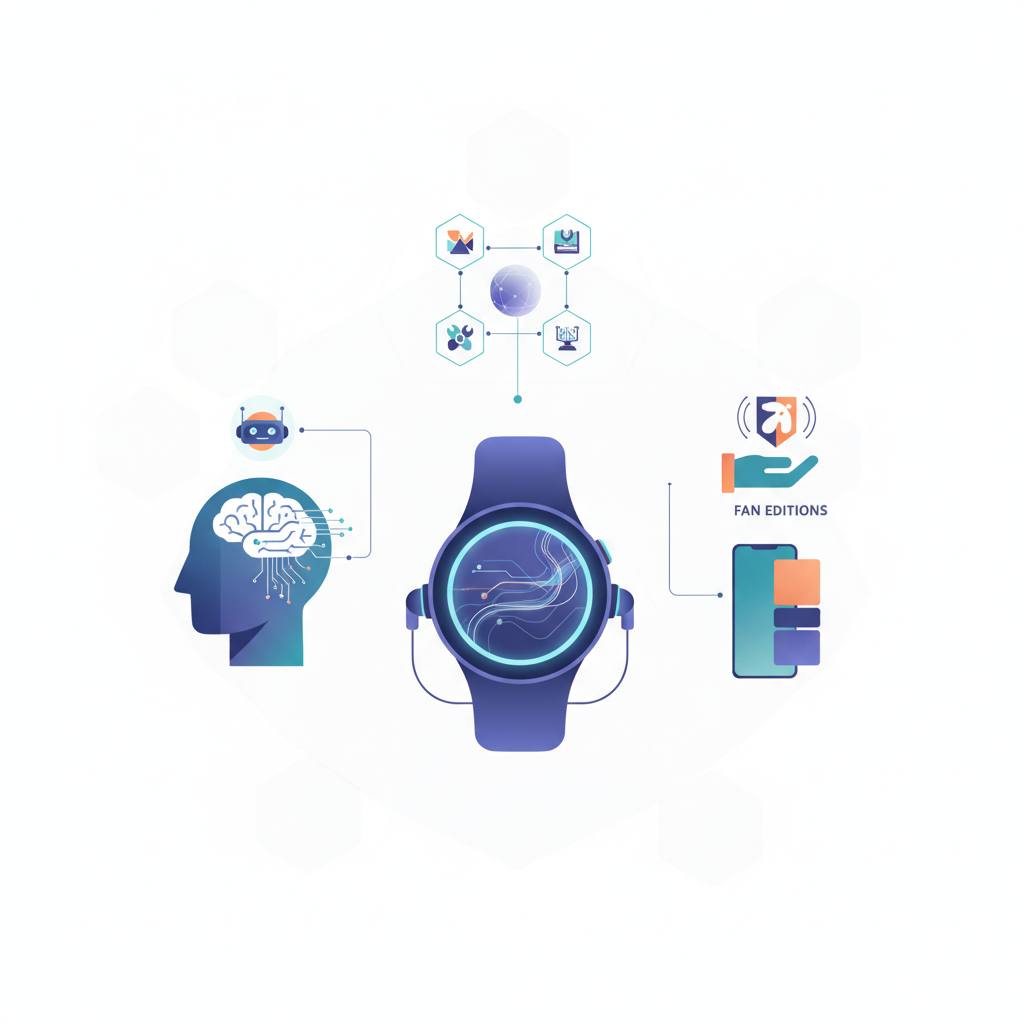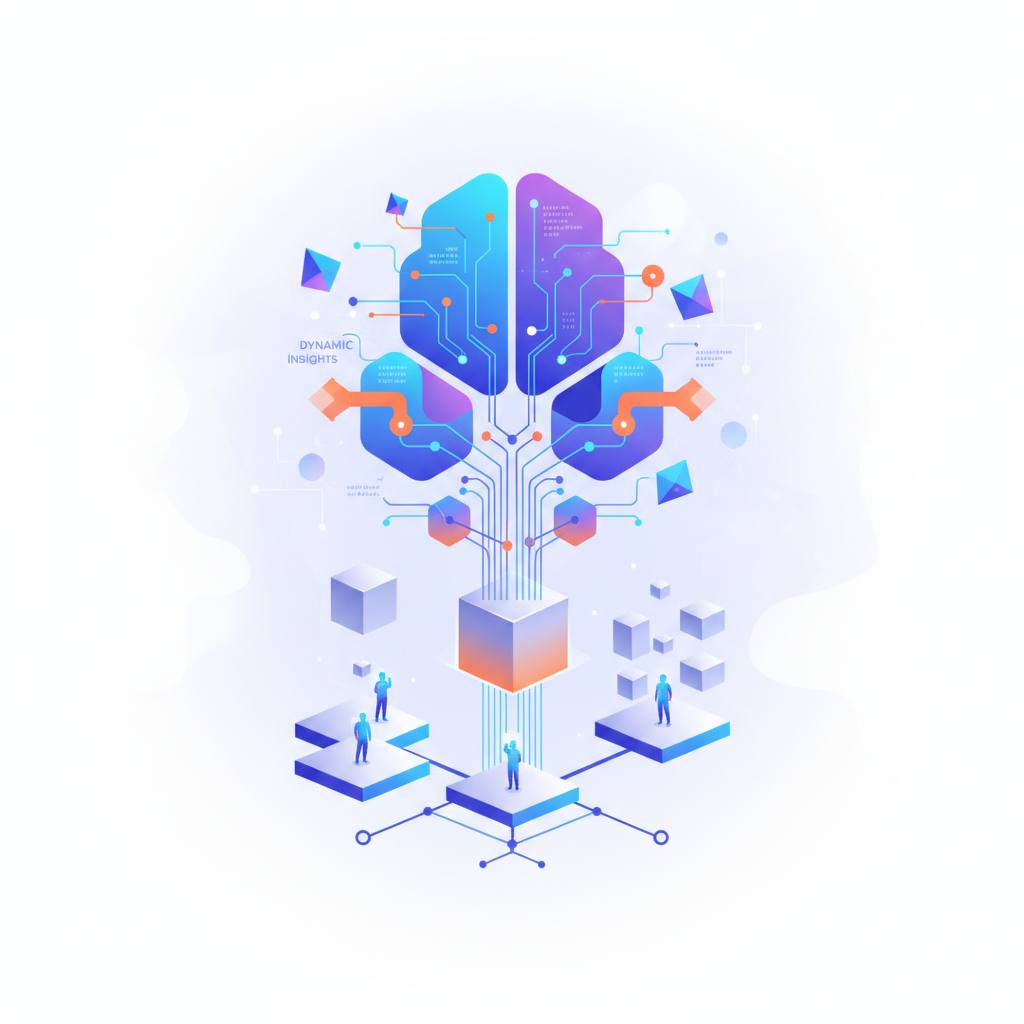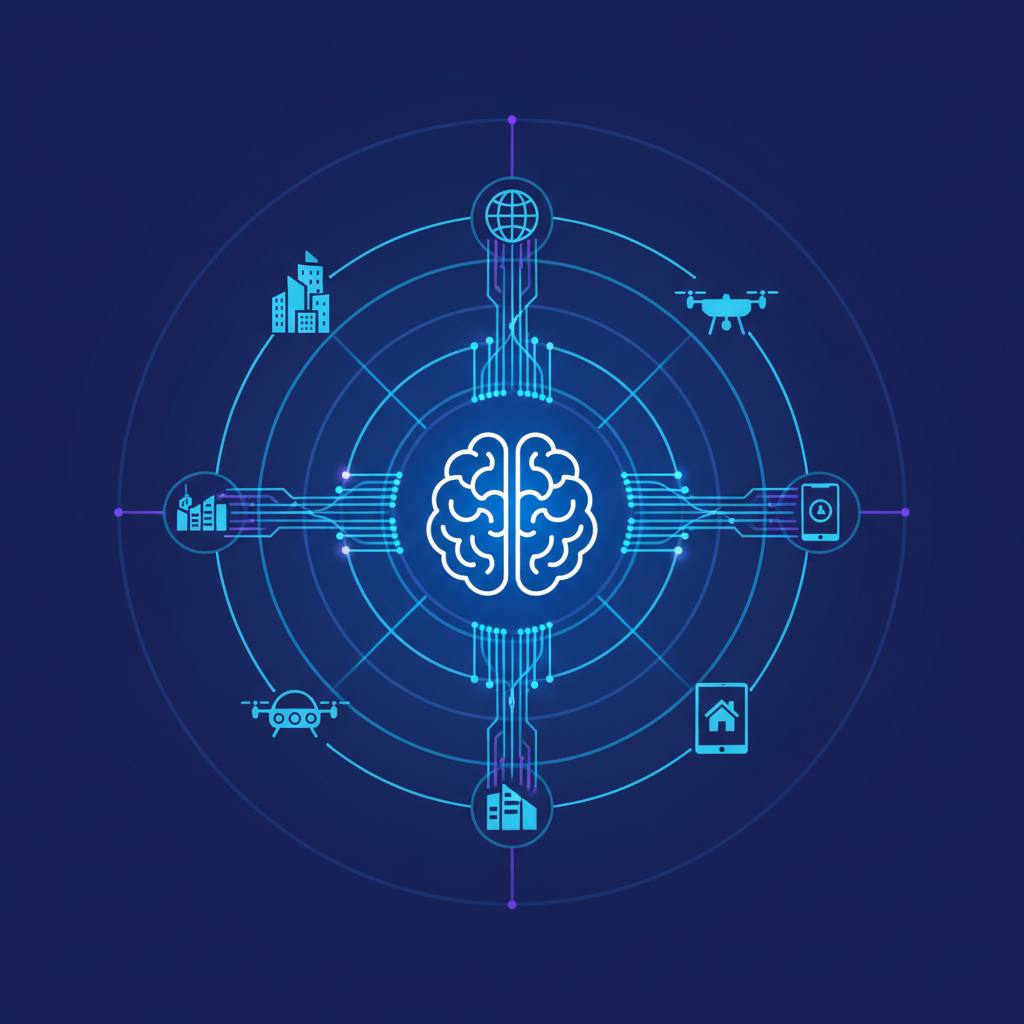
We're seeing AI agents like Meta's Muse weave together countless digital services, moving towards a future where AI doesn't just assist but actively manages and optimizes vast, complex systems, from personal entertainment to industrial logistics.
The tech world today shows us a clear path: artificial intelligence is rapidly becoming the central nervous system for our digital lives and beyond. Look at Meta's Muse, for example. It's no longer just a smart assistant; it's a bridge connecting a growing list of services, from your Spotify playlists to your project management tools. This trend isn't just about convenience; it's about AI stepping into a role of orchestrator, seamlessly linking disparate systems.
This shift means we can expect AI to manage increasingly complex operations. Think about the journey of the Tesla Semi, finally reaching volume production after years of development. These sophisticated electric vehicles are just one piece of a larger puzzle. In the future, AI won't just control individual trucks; it will optimize entire fleets, predict maintenance needs, and manage logistics networks in real-time. The same principles apply to personal tech: AI will soon proactively manage our schedules, finances, and entertainment across every device and service we use, often without us directly prompting it.
However, this future relies on incredibly robust and error-free software, as the example of the 'no-repeat random draw' highlights. Even seemingly simple coding tasks can introduce defects if not handled perfectly. As AI takes on more critical roles, the underlying code must be flawless. This suggests a future where AI itself will play a significant part in software development and validation, identifying complex errors and optimizing algorithms before they cause problems. Expect AI to be the silent conductor, making our future tech not just smarter, but truly seamless and reliable.
This shift means we can expect AI to manage increasingly complex operations. Think about the journey of the Tesla Semi, finally reaching volume production after years of development. These sophisticated electric vehicles are just one piece of a larger puzzle. In the future, AI won't just control individual trucks; it will optimize entire fleets, predict maintenance needs, and manage logistics networks in real-time. The same principles apply to personal tech: AI will soon proactively manage our schedules, finances, and entertainment across every device and service we use, often without us directly prompting it.
However, this future relies on incredibly robust and error-free software, as the example of the 'no-repeat random draw' highlights. Even seemingly simple coding tasks can introduce defects if not handled perfectly. As AI takes on more critical roles, the underlying code must be flawless. This suggests a future where AI itself will play a significant part in software development and validation, identifying complex errors and optimizing algorithms before they cause problems. Expect AI to be the silent conductor, making our future tech not just smarter, but truly seamless and reliable.