We are heading towards a highly personalized technological era, where consumer demands for integrated smart tools, wearables, and limited-edition products are increasing, all powered by artificial intelligence.
We've recently seen clear signs of upcoming technology trends. The rising demand for AI programming tools is putting pressure on current systems. The swift sell-out of special edition electronics highlights the power of brand collaborations. Finally, wearables are taking significant steps towards deeper integration into our lives.
What does all this mean for our technological future?
First, in the world of programming, artificial intelligence will become an indispensable partner for developers. Current tools that assist in code writing and debugging are just the beginning. We anticipate the emergence of more sophisticated AI systems capable of offering proactive suggestions and even helping design complex software architectures. Companies providing these tools will transition to more detailed subscription models, with different access tiers to ensure a stable and efficient experience for professional users. We might also see the development of powerful AI models that can run locally to handle increasing demand.
Second, collaborations between technology companies and entertainment franchises will grow. When 'Harry Potter' edition phones and earbuds sell out in less than 24 hours, it's a testament to the power of fan passion. Expect to see more of these partnerships extending beyond phones and earbuds to a wider range of smart devices. These limited-edition products will be a potent way for brands to create buzz, boost sales, and build strong customer loyalty by offering unique experiences that resonate with personal interests. This isn't just a fleeting trend; it's an effective growth strategy.
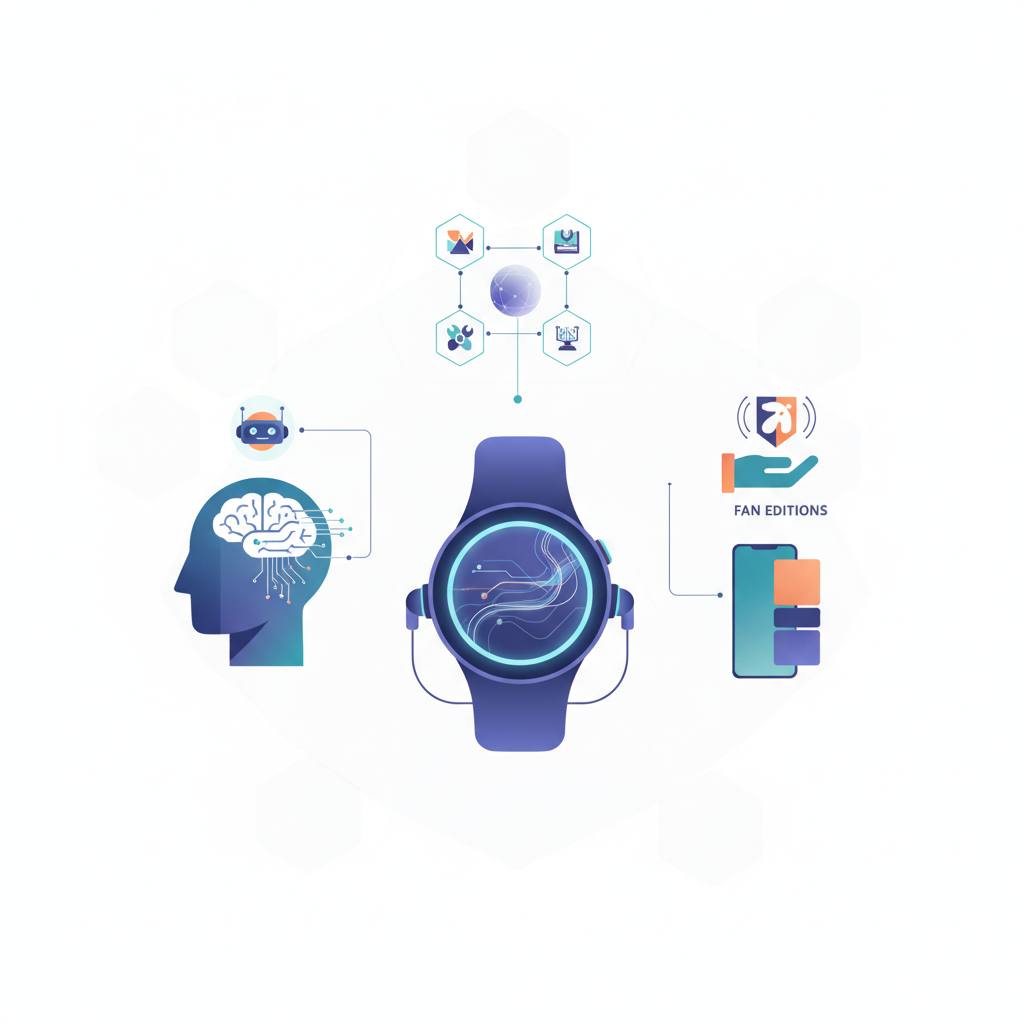
Third, wearables will become more integrated and seamless in our daily lives. Smart glasses, whether for virtual reality or those without screens, will soon be a natural part of our experiences. AI will be the primary engine for these devices, enabling them to understand our surrounding context, interact using natural language, and anticipate our needs without constant intervention. The 'tethered puck' concept we've seen recently is a step towards offloading processing power to a smaller external device, making the glasses themselves lighter and more comfortable. In the future, we expect these capabilities to be fully integrated within the device itself, providing a truly wireless, all-day experience. These devices will change how we interact with the digital world, making it a natural, almost invisible part of our reality.
What does all this mean for our technological future?
First, in the world of programming, artificial intelligence will become an indispensable partner for developers. Current tools that assist in code writing and debugging are just the beginning. We anticipate the emergence of more sophisticated AI systems capable of offering proactive suggestions and even helping design complex software architectures. Companies providing these tools will transition to more detailed subscription models, with different access tiers to ensure a stable and efficient experience for professional users. We might also see the development of powerful AI models that can run locally to handle increasing demand.
Second, collaborations between technology companies and entertainment franchises will grow. When 'Harry Potter' edition phones and earbuds sell out in less than 24 hours, it's a testament to the power of fan passion. Expect to see more of these partnerships extending beyond phones and earbuds to a wider range of smart devices. These limited-edition products will be a potent way for brands to create buzz, boost sales, and build strong customer loyalty by offering unique experiences that resonate with personal interests. This isn't just a fleeting trend; it's an effective growth strategy.
Third, wearables will become more integrated and seamless in our daily lives. Smart glasses, whether for virtual reality or those without screens, will soon be a natural part of our experiences. AI will be the primary engine for these devices, enabling them to understand our surrounding context, interact using natural language, and anticipate our needs without constant intervention. The 'tethered puck' concept we've seen recently is a step towards offloading processing power to a smaller external device, making the glasses themselves lighter and more comfortable. In the future, we expect these capabilities to be fully integrated within the device itself, providing a truly wireless, all-day experience. These devices will change how we interact with the digital world, making it a natural, almost invisible part of our reality.