OpenAI is turning to elite human mathematicians after a string of high-profile mathematical errors led to a reputational crisis.
OpenAI, a major player in the AI world, is now seeking help from human minds in mathematics. Why? Because some of the spectacular mathematical results their systems previously delivered unexpectedly turned into a significant reputational crisis for the company.
What does this mean for you? It signals that leading AI companies are increasingly aware of the critical importance of accuracy and responsibility when publishing results, especially in complex fields like mathematics. This move underscores the essential need for human verification to ensure trust in technology.
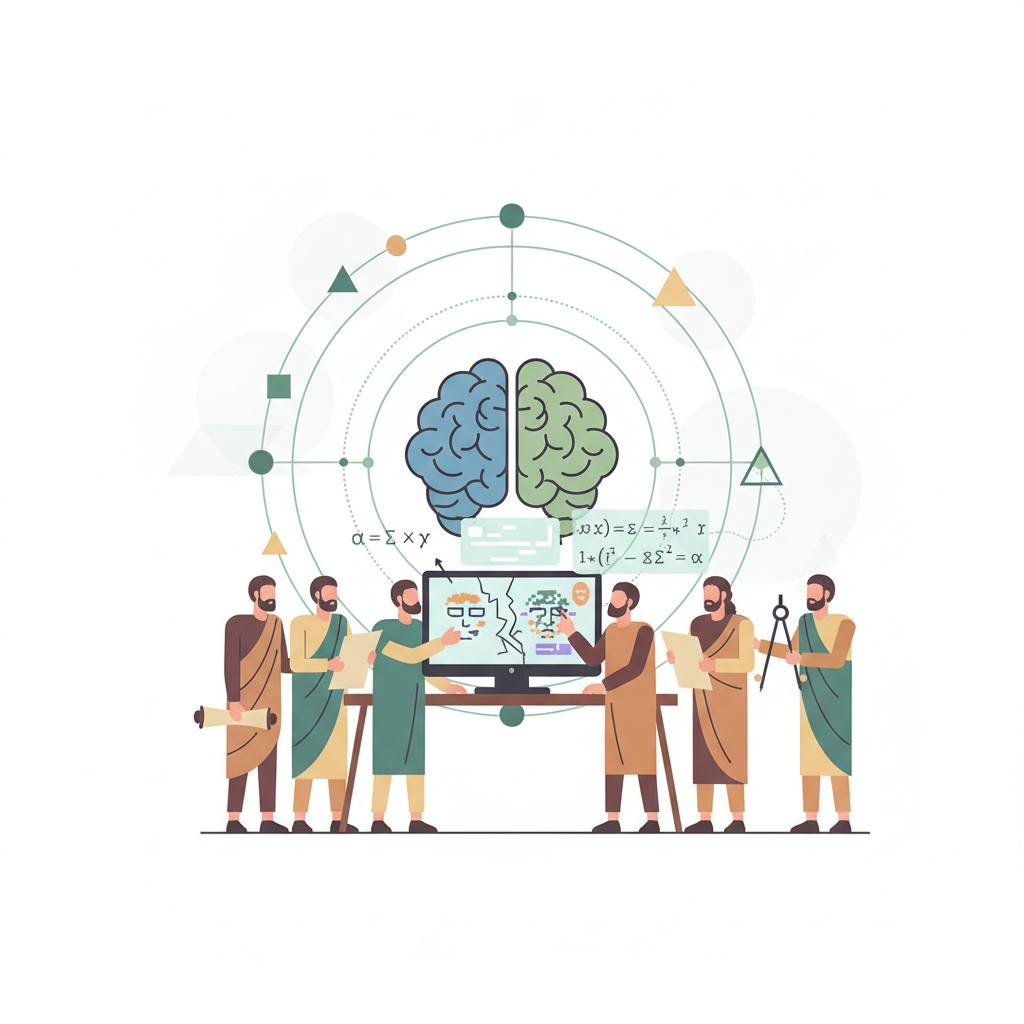
The company recently announced the formation of an independent panel of mathematicians. This panel's task is to advise OpenAI, and other AI companies, on how to better engage with mathematical research and the broader mathematics community. This includes guidance on how new results are presented and released in a way that avoids future problems and builds credibility.
The abrupt arrival of this panel caught many mathematicians by surprise. While some researchers view this as a positive and good first step, basic questions linger regarding what the panel will actually do and how it will operate. This highlights that even the largest tech companies sometimes need to revert to human expertise, especially when dealing with complex foundational sciences like mathematics, to ensure reliability and prevent errors that could shake public trust in modern technologies. It's a clear attempt to foster collaboration between AI and human intellect to build a more trustworthy technological future.
What does this mean for you? It signals that leading AI companies are increasingly aware of the critical importance of accuracy and responsibility when publishing results, especially in complex fields like mathematics. This move underscores the essential need for human verification to ensure trust in technology.
The company recently announced the formation of an independent panel of mathematicians. This panel's task is to advise OpenAI, and other AI companies, on how to better engage with mathematical research and the broader mathematics community. This includes guidance on how new results are presented and released in a way that avoids future problems and builds credibility.
The abrupt arrival of this panel caught many mathematicians by surprise. While some researchers view this as a positive and good first step, basic questions linger regarding what the panel will actually do and how it will operate. This highlights that even the largest tech companies sometimes need to revert to human expertise, especially when dealing with complex foundational sciences like mathematics, to ensure reliability and prevent errors that could shake public trust in modern technologies. It's a clear attempt to foster collaboration between AI and human intellect to build a more trustworthy technological future.