AI agents can quickly drain budgets if we don't track costs per action. Instead of blaming the main AI model, we need to see which individual steps are truly expensive and choose the right tools for each.
Imagine you're building a helpful AI assistant, like a smart agent that can answer questions, summarize articles, and even make decisions. You're excited, but then you get the bill, and it's HUGE! Most people's first reaction, like those in the news story, is to immediately think: 'The main AI model is too big and expensive. Let's switch to a smaller one.'
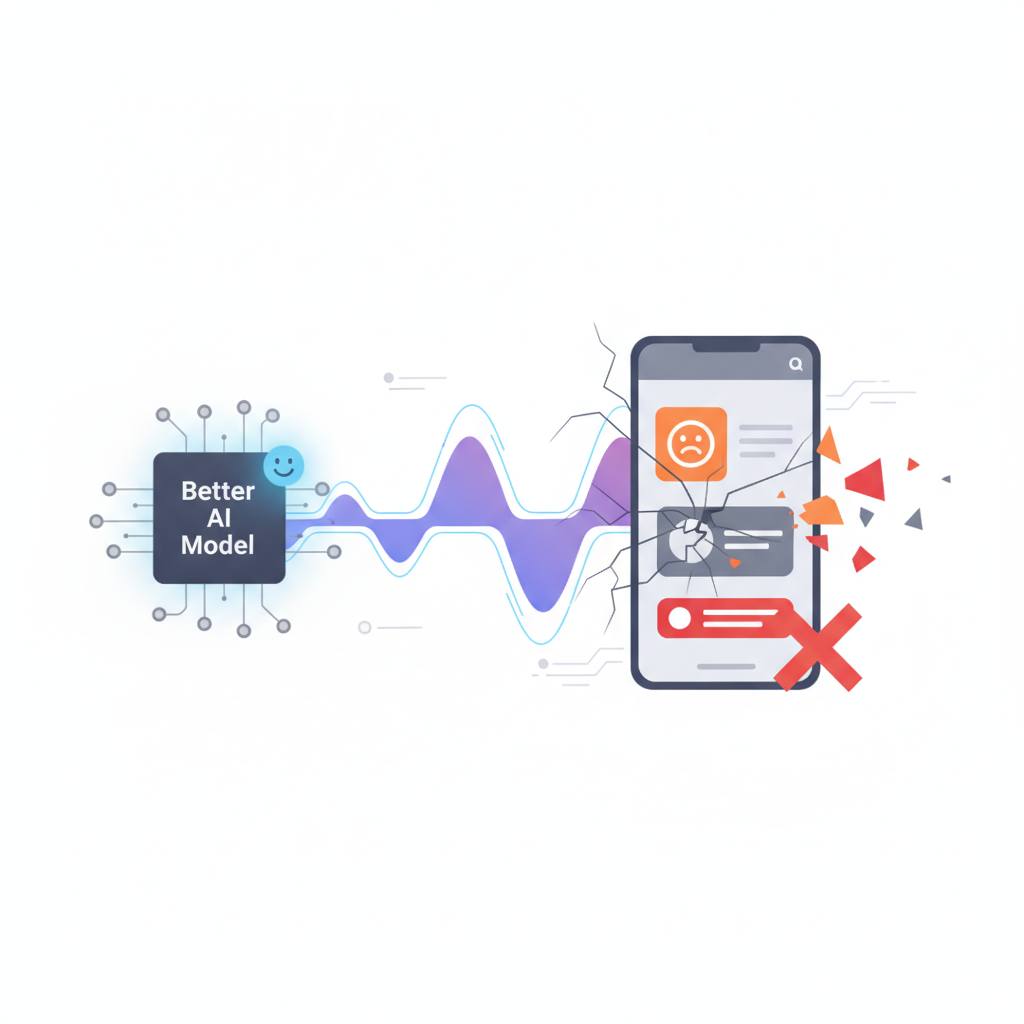
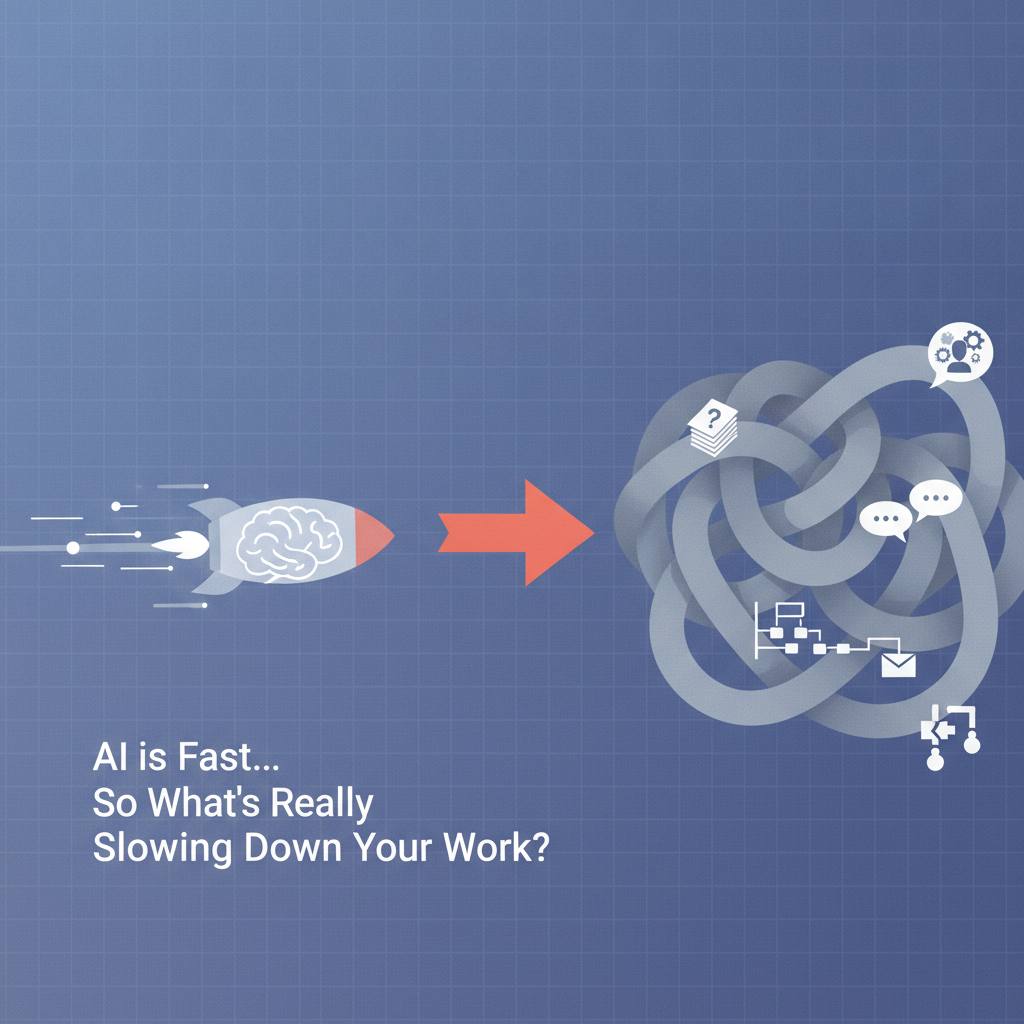
But that's often the wrong diagnosis. The problem isn't always the main, 'frontier' AI model itself. It's how the agent uses it for *every single step* without distinction. Think of it like hiring a highly specialized expert for every single small task in your house. You wouldn't call a master chef to boil an egg, or a top architect to draw a simple sketch. You'd use them for the complex tasks they excel at.
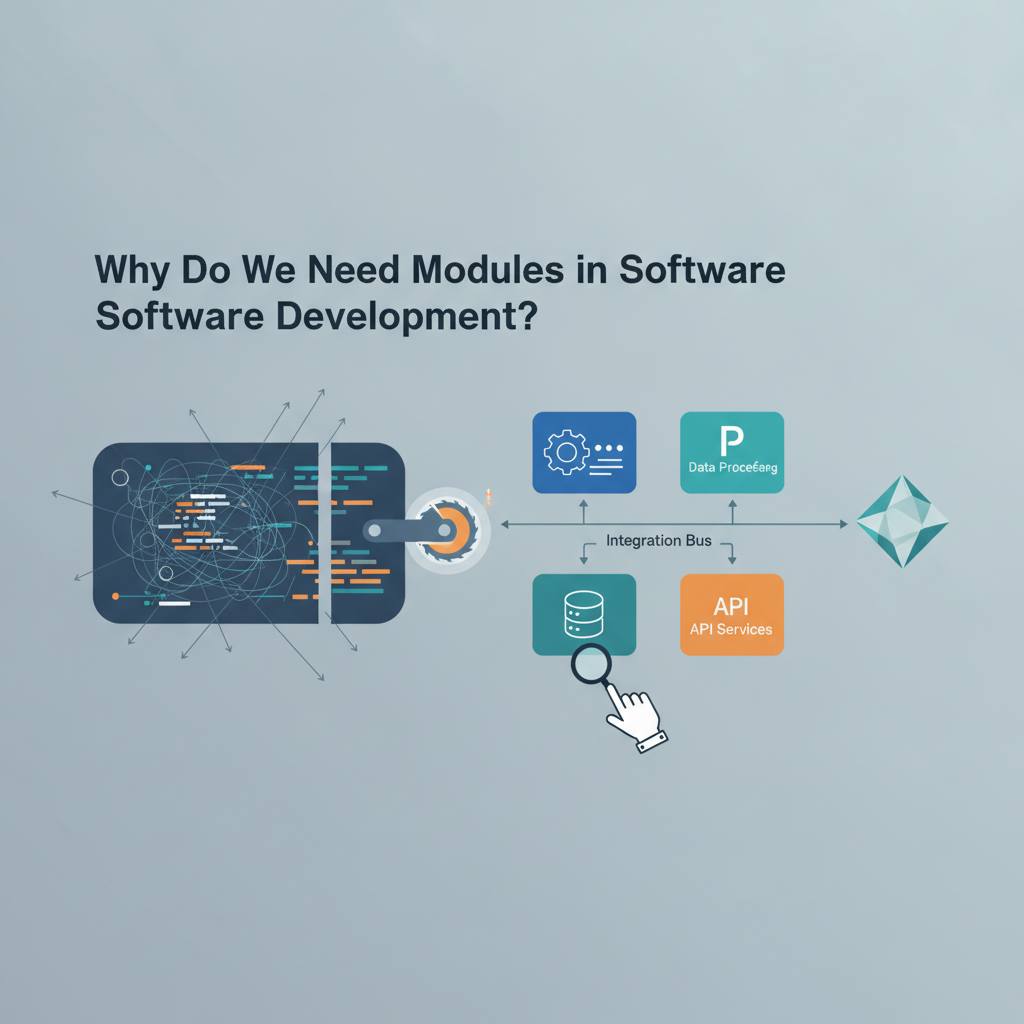
The news item highlights that when they finally tracked what specific 'step' — like classifying information, summarizing text, or making a tough decision — used which 'tool' or 'model,' they found the expensive model was being called for simple jobs that a cheaper, smaller model could handle perfectly. An agentic AI process is like a series of smaller tasks. Some tasks need a 'big brain' AI, capable of complex reasoning. Others just need a 'quick check' or a simple summary, which a smaller, faster, and much cheaper AI model could do.
If you only see the total cost at the end, you're guessing where the money went. You might swap out your powerful AI model for a weaker one everywhere, losing quality on tasks that *really* needed the big one, while still wasting money on simple tasks that didn't. The key is to give the right tool (or AI model) to the right job. For simple classification, use a basic, cost-effective model. For deep reasoning or creative generation, then bring in the 'frontier' model. By measuring which specific step calls which model, you can make smart choices. This means your AI agent stays effective where it needs to be, but also becomes much more budget-friendly. It's about smart resource allocation, not just blindly cutting costs.
But that's often the wrong diagnosis. The problem isn't always the main, 'frontier' AI model itself. It's how the agent uses it for *every single step* without distinction. Think of it like hiring a highly specialized expert for every single small task in your house. You wouldn't call a master chef to boil an egg, or a top architect to draw a simple sketch. You'd use them for the complex tasks they excel at.
The news item highlights that when they finally tracked what specific 'step' — like classifying information, summarizing text, or making a tough decision — used which 'tool' or 'model,' they found the expensive model was being called for simple jobs that a cheaper, smaller model could handle perfectly. An agentic AI process is like a series of smaller tasks. Some tasks need a 'big brain' AI, capable of complex reasoning. Others just need a 'quick check' or a simple summary, which a smaller, faster, and much cheaper AI model could do.
If you only see the total cost at the end, you're guessing where the money went. You might swap out your powerful AI model for a weaker one everywhere, losing quality on tasks that *really* needed the big one, while still wasting money on simple tasks that didn't. The key is to give the right tool (or AI model) to the right job. For simple classification, use a basic, cost-effective model. For deep reasoning or creative generation, then bring in the 'frontier' model. By measuring which specific step calls which model, you can make smart choices. This means your AI agent stays effective where it needs to be, but also becomes much more budget-friendly. It's about smart resource allocation, not just blindly cutting costs.