A developer shares their frustration with manually managing phone sound modes and how Google's Geofencing API fell short for precise, automated location-based actions, leading them to build their own custom solution. This highlights the ongoing need for smarter device management.
The shared frustration we all experience with managing our phones is now pushing developers to seek new, innovative solutions. Recently, one developer shared their story about why they abandoned Google's Geofencing API, and how this led them to build their own system for automatically controlling phone settings based on location and time.
For you, this means a trend towards smarter phones that understand our life context and manage themselves, saving us from daily embarrassment and stress. Who hasn't forgotten to silence their phone in an important meeting or a public place? These awkward moments were the main motivation for this developer. They grew tired of constantly toggling between 'Silent', 'Vibrate', and 'Do Not Disturb' modes multiple times a day, only to forget to unmute the phone, missing urgent calls or disturbing others.
They wanted a system that automatically understood their environment—like the physical boundaries of their office, prayer times, and the contents of their digital calendar—and acted on those triggers autonomously. Existing solutions were either bloated with unnecessary features or relied on battery-draining polling techniques that felt archaic. The core issue was that the phone doesn't 'know' where you are or what you are doing unless you manually tell it.
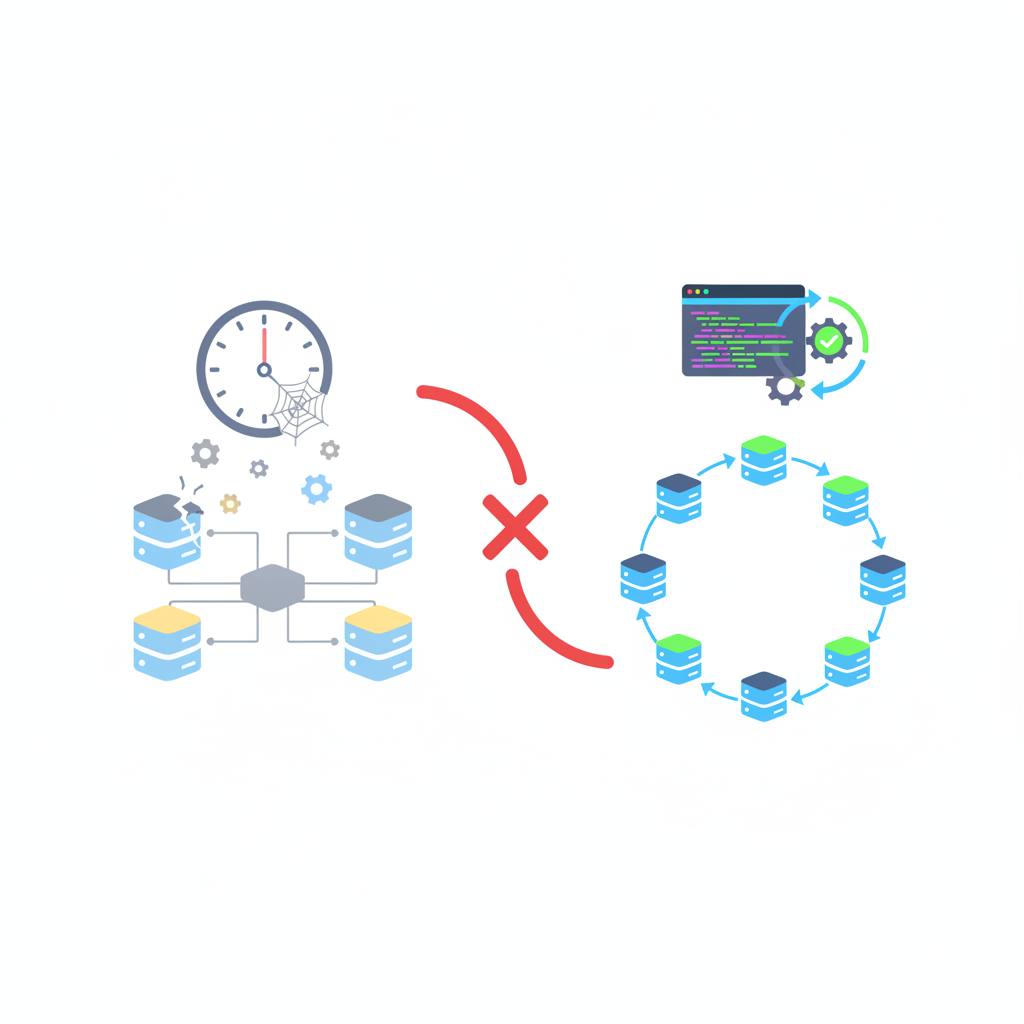
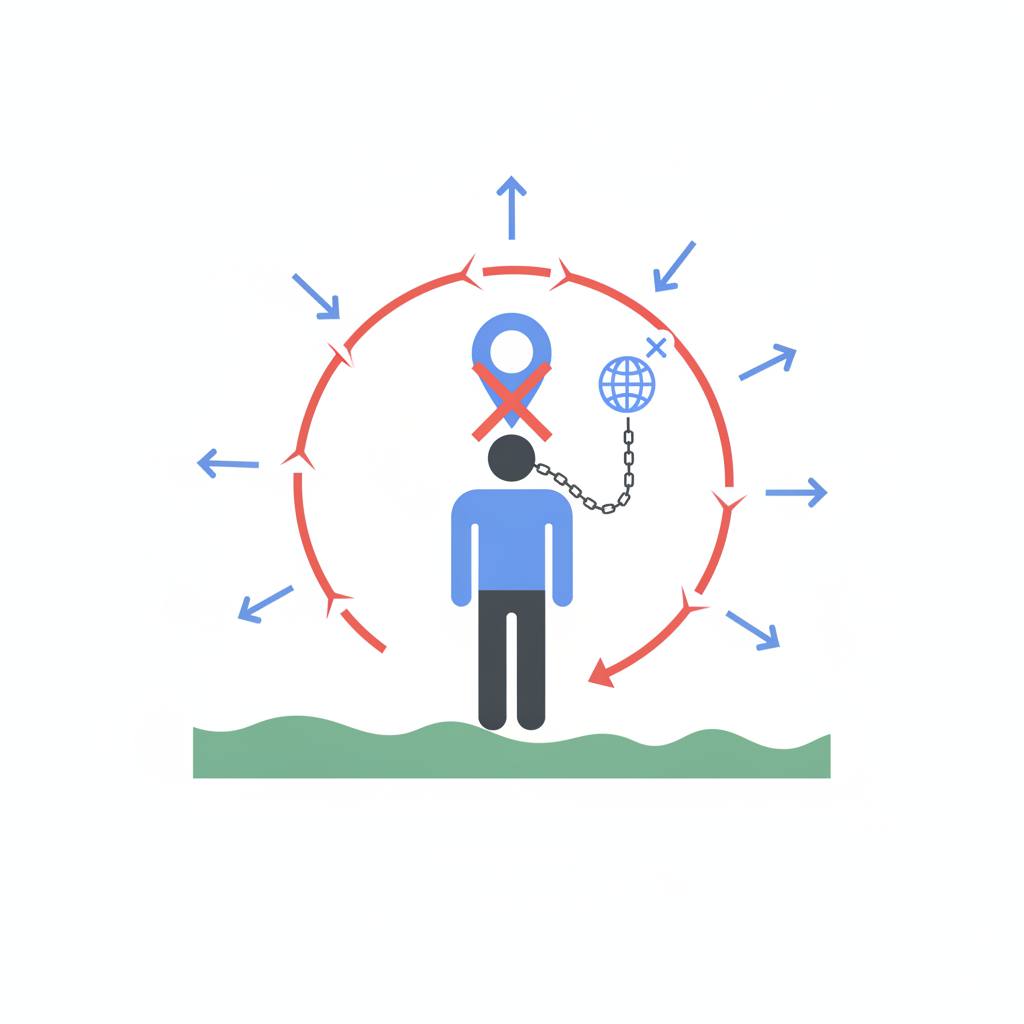
When they started building their app, Muffle, they naturally gravitated toward Google's Geofencing API, thinking it was the standard, officially supported path for location-based automation. However, after a few weeks of testing, they hit a wall. They found the API was designed for broader proximity alerts, not the sub-100-meter precision needed for specific zones like home or office. The latency was also high, making it completely unsuitable for what they were trying to achieve. This highlights that general solutions aren't always the best fit for precise needs. This experience shows us that we need smarter tools that truly integrate into our busy daily lives.
For you, this means a trend towards smarter phones that understand our life context and manage themselves, saving us from daily embarrassment and stress. Who hasn't forgotten to silence their phone in an important meeting or a public place? These awkward moments were the main motivation for this developer. They grew tired of constantly toggling between 'Silent', 'Vibrate', and 'Do Not Disturb' modes multiple times a day, only to forget to unmute the phone, missing urgent calls or disturbing others.
They wanted a system that automatically understood their environment—like the physical boundaries of their office, prayer times, and the contents of their digital calendar—and acted on those triggers autonomously. Existing solutions were either bloated with unnecessary features or relied on battery-draining polling techniques that felt archaic. The core issue was that the phone doesn't 'know' where you are or what you are doing unless you manually tell it.
When they started building their app, Muffle, they naturally gravitated toward Google's Geofencing API, thinking it was the standard, officially supported path for location-based automation. However, after a few weeks of testing, they hit a wall. They found the API was designed for broader proximity alerts, not the sub-100-meter precision needed for specific zones like home or office. The latency was also high, making it completely unsuitable for what they were trying to achieve. This highlights that general solutions aren't always the best fit for precise needs. This experience shows us that we need smarter tools that truly integrate into our busy daily lives.