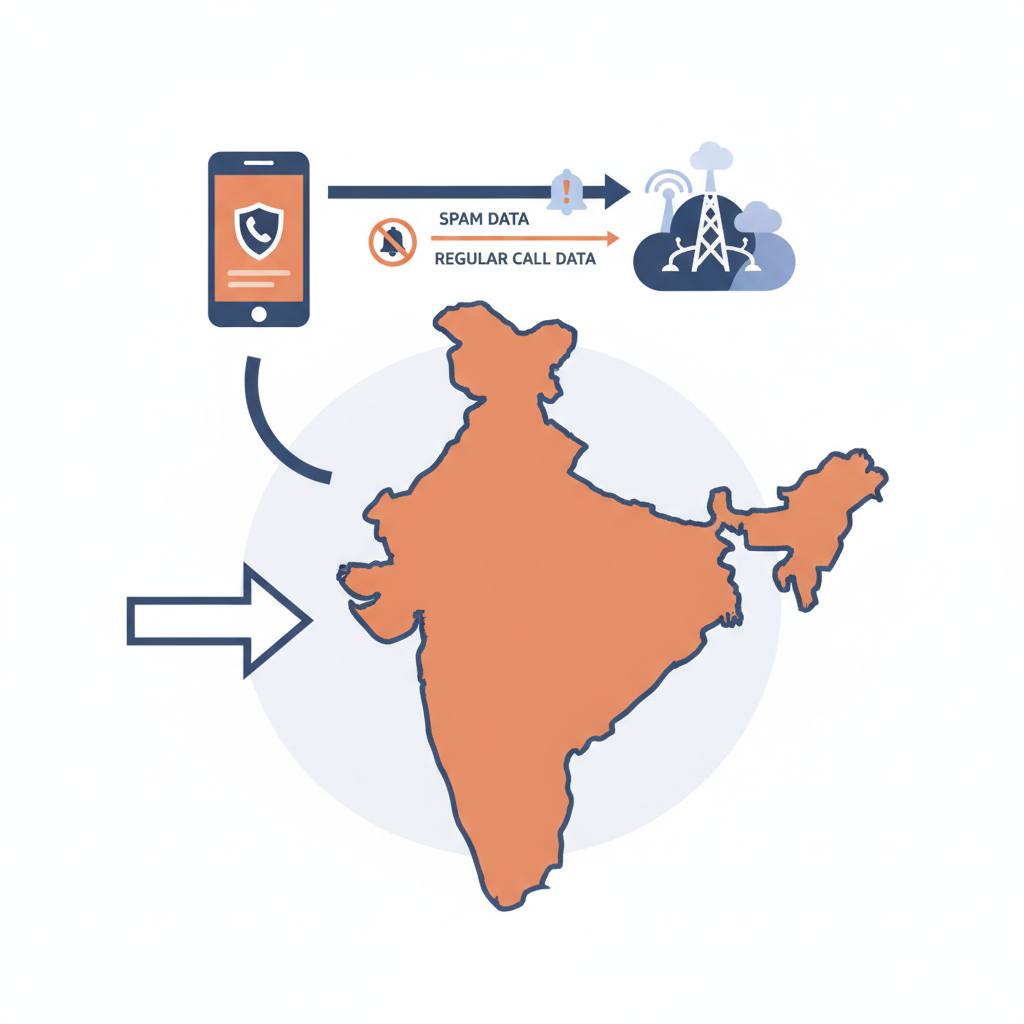
India has introduced a new rule: caller-ID apps like Truecaller must now share spam reports directly with telecom operators. This move concerns the apps, which view this data as a valuable commercial asset.
Heard about India's latest move that might affect your daily calls? India has just introduced a new rule that requires caller-ID apps, like Truecaller, to share all spam and unwanted call reports directly with telecom operators. This means the data these apps collect about annoying calls won't just stay with them anymore; it will go straight to your phone company.
So, what does this mean for you? Well, the aim of this step is to help telecom companies fight spam calls and messages more effectively. Imagine all the information about irritating numbers that millions of users report being collected and given to your phone service provider. This could potentially lead to a reduction in the overall number of unwanted calls you receive, as telcos can use this data to take action against known spam numbers.
However, not everyone is thrilled about this decision. Apps like Truecaller, which built their business model around gathering and processing this data, have voiced serious concerns. According to them, this new 'one-way sharing requirement' means handing over a 'commercially valuable proprietary asset' to telecom operators. In simpler terms, they see the data they collect as valuable intellectual property and a core part of their brand, and this move forces them to give it up. This data is a fundamental part of their service, helping them provide a better user experience by identifying incoming calls and filtering out spam.
This decision raises an important question about who owns the data we generate and what role governments should play in regulating it. On one hand, there's a desire to protect consumers from spam, and on the other, there are companies that view their data as the backbone of their operations. We'll be watching to see how things develop and if this change makes a significant difference in the world of unwanted calls.
So, what does this mean for you? Well, the aim of this step is to help telecom companies fight spam calls and messages more effectively. Imagine all the information about irritating numbers that millions of users report being collected and given to your phone service provider. This could potentially lead to a reduction in the overall number of unwanted calls you receive, as telcos can use this data to take action against known spam numbers.
However, not everyone is thrilled about this decision. Apps like Truecaller, which built their business model around gathering and processing this data, have voiced serious concerns. According to them, this new 'one-way sharing requirement' means handing over a 'commercially valuable proprietary asset' to telecom operators. In simpler terms, they see the data they collect as valuable intellectual property and a core part of their brand, and this move forces them to give it up. This data is a fundamental part of their service, helping them provide a better user experience by identifying incoming calls and filtering out spam.
This decision raises an important question about who owns the data we generate and what role governments should play in regulating it. On one hand, there's a desire to protect consumers from spam, and on the other, there are companies that view their data as the backbone of their operations. We'll be watching to see how things develop and if this change makes a significant difference in the world of unwanted calls.