While AI can quickly draft documents, new reports suggest it often just shifts the work, leaving human teams to manage approvals and coordination. This means the overall process might not be as fast as expected.
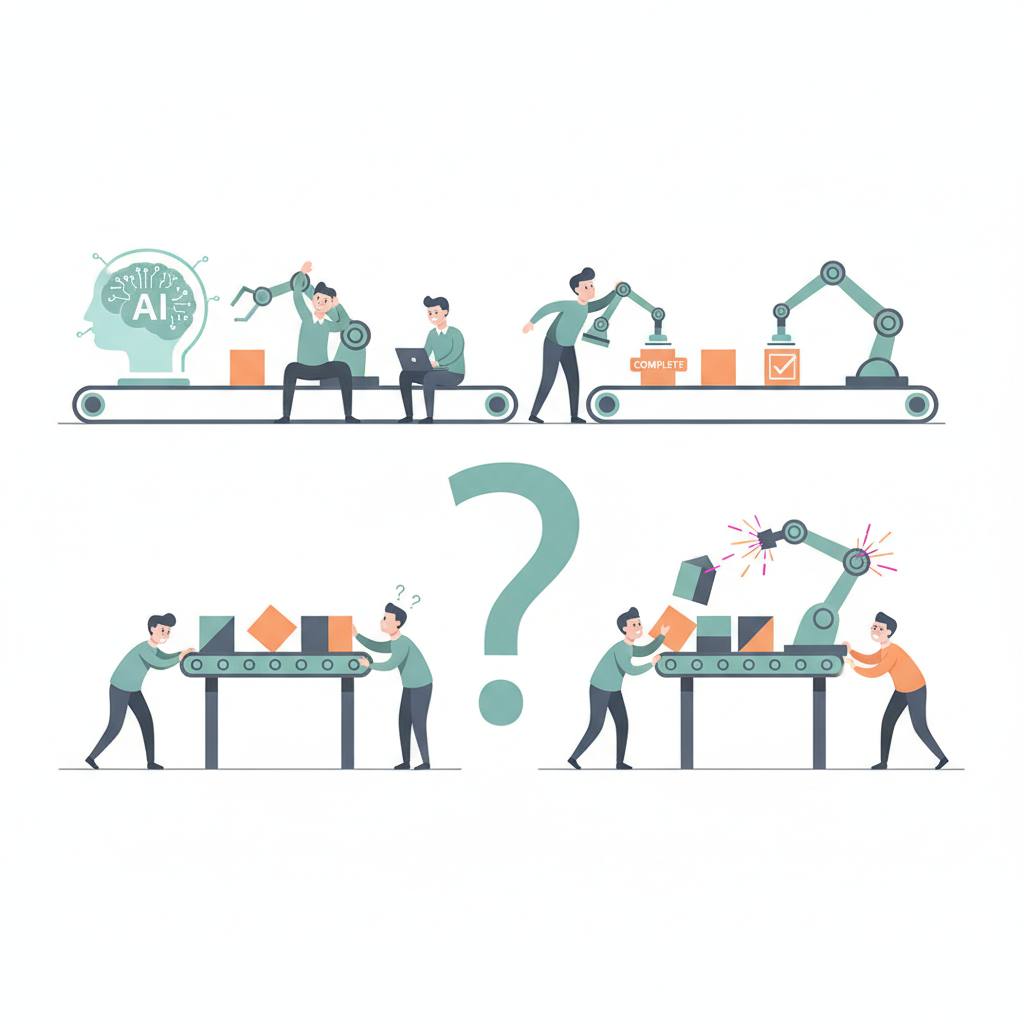
AI is speeding up drafting processes, but it might not be finishing the *entire* job for your team. What does this mean for you? Simply put, your teams might still be caught in a cycle of follow-ups and coordination, even after AI handles the bulk of the initial work.
Consider a real-world example: A B2B software company receives a security questionnaire from a potential buyer with 180 questions. Your team uses AI to find previous answers and prepare a draft. Within a short period, most of the document is filled in. Sounds great, right? But here's the catch: two days later, sales is still waiting to send it. Why? One answer describes a control that has changed. Another needs legal approval. And a product question has been sitting in a shared channel because nobody knows who should respond. This is where you step in – you find the right people and chase the remaining decisions. Eventually, the approved version reaches the buyer.
True, the team saved significant time drafting, but you still had to get the work finished. This is the core point raised by Coryntas's article, 'Enterprise AI Has to Finish the Work'. While it's easy to demonstrate AI's speed in drafting documents, following the document through the business workflow is less tidy. Someone has to establish which evidence is current, resolve uncertainty, find an approver, and make sure the final version goes to the right person. If these steps caused delays before AI arrived, a faster draft might leave the overall timeline largely unchanged.
In fact, this can even create a 'review queue'. More material reaches the same small group of people, who now have to check it alongside their existing responsibilities. The work saved by one team becomes additional work for another. Drafting assistance can certainly be valuable, but its local benefit tells you little about whether the company can handle more customer requests without adding coordination work. For a founder, this difference shows up in the calendar: the same follow-ups, the same escalation meetings, the same requests to unblock something that looked almost done. For the questionnaire, an approved and delivered response is a useful finish line. A populated spreadsheet is merely an intermediate step. AI investment should aim to *complete* the work, not just start it.
Consider a real-world example: A B2B software company receives a security questionnaire from a potential buyer with 180 questions. Your team uses AI to find previous answers and prepare a draft. Within a short period, most of the document is filled in. Sounds great, right? But here's the catch: two days later, sales is still waiting to send it. Why? One answer describes a control that has changed. Another needs legal approval. And a product question has been sitting in a shared channel because nobody knows who should respond. This is where you step in – you find the right people and chase the remaining decisions. Eventually, the approved version reaches the buyer.
True, the team saved significant time drafting, but you still had to get the work finished. This is the core point raised by Coryntas's article, 'Enterprise AI Has to Finish the Work'. While it's easy to demonstrate AI's speed in drafting documents, following the document through the business workflow is less tidy. Someone has to establish which evidence is current, resolve uncertainty, find an approver, and make sure the final version goes to the right person. If these steps caused delays before AI arrived, a faster draft might leave the overall timeline largely unchanged.
In fact, this can even create a 'review queue'. More material reaches the same small group of people, who now have to check it alongside their existing responsibilities. The work saved by one team becomes additional work for another. Drafting assistance can certainly be valuable, but its local benefit tells you little about whether the company can handle more customer requests without adding coordination work. For a founder, this difference shows up in the calendar: the same follow-ups, the same escalation meetings, the same requests to unblock something that looked almost done. For the questionnaire, an approved and delivered response is a useful finish line. A populated spreadsheet is merely an intermediate step. AI investment should aim to *complete* the work, not just start it.