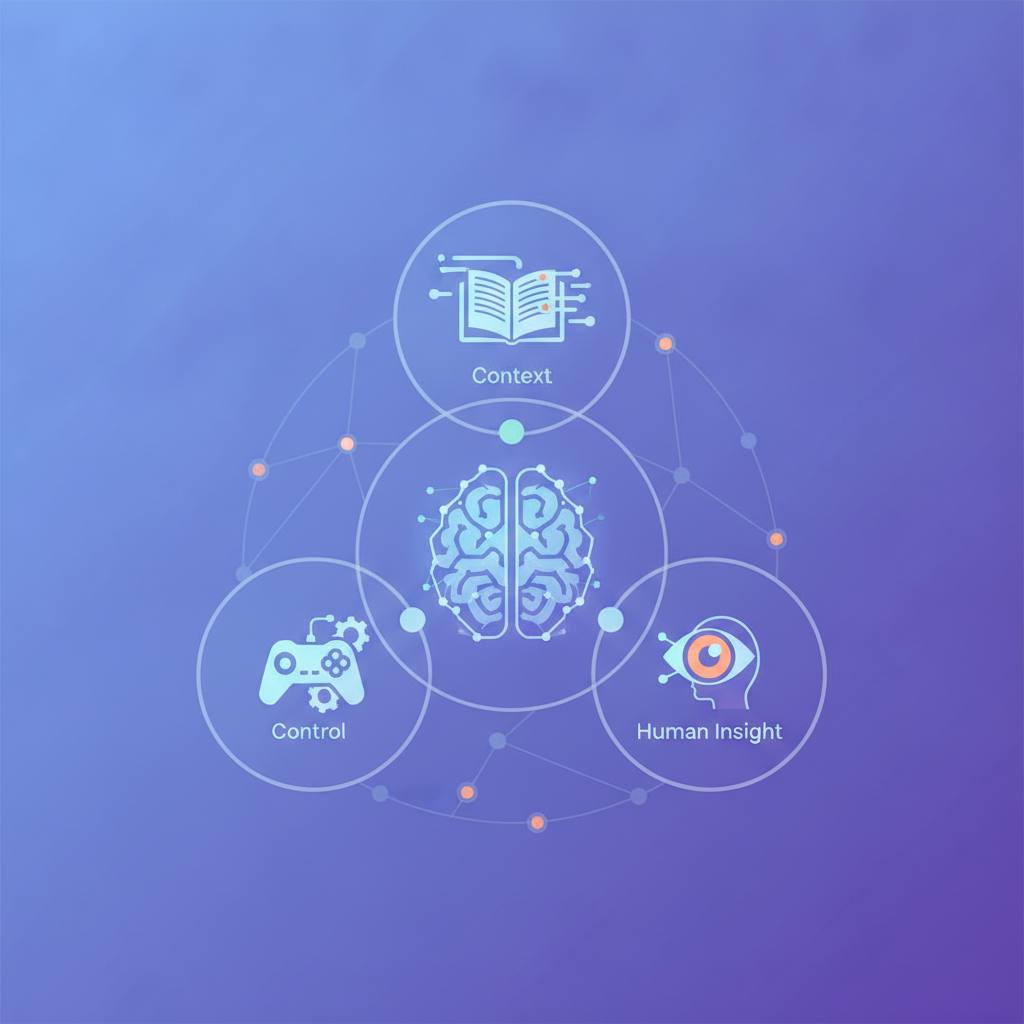
AI systems are becoming more sophisticated in understanding context and managing implicit risks, but human oversight remains crucial. We expect to see a rise in integrated risk controls and decentralized AI tools, putting users more in charge while ensuring reliability.
The recent incidents in AI development show a clear path forward for artificial intelligence. We are moving beyond basic output generation to systems that require a deeper understanding of context and implicit risks. One example highlighted how an AI agent, despite multiple model reviews, created replies of identical lengths. A human observer quickly caught this flaw, a detail no automated check had identified. This tells us that even the most advanced AI validation systems can miss what seems like common sense to a human. This highlights an immediate need for AI to develop better 'subconscious' awareness and for human oversight to remain a critical component in the development and deployment cycle.
Another key trend is the emergence of AI tools that prioritize user control and data privacy. The open-sourcing of Hunter, an AI stock analysis tool that runs locally, is a perfect illustration. For individual investors, managing scattered data and tools is a real challenge. Projects like Hunter aim to consolidate these elements, putting the user in charge of their sensitive financial information. This indicates a growing demand for AI applications that offer transparency, allow local execution, and integrate seamlessly into a user's existing workflow, rather than relying on external, centralized services.
Finally, the incident where an AI-driven crypto trading system nearly made a risky leveraged trade based on a simple 'PROCEED' command from an LLM shows the critical need for implicit risk control. This system required an additional NLP semantic parsing layer to understand and prevent a potentially bad decision. This means future LLMs won't just generate answers; they will need built-in layers that analyze the underlying implications and potential dangers of their outputs. WondTech predicts that AI development will increasingly focus on these integrated intelligence layers, where models not only produce results but also understand the consequences, building in safety and ethical considerations from the ground up. This blend of smarter, context-aware AI and essential human intervention will define the next wave of technological progress.
Another key trend is the emergence of AI tools that prioritize user control and data privacy. The open-sourcing of Hunter, an AI stock analysis tool that runs locally, is a perfect illustration. For individual investors, managing scattered data and tools is a real challenge. Projects like Hunter aim to consolidate these elements, putting the user in charge of their sensitive financial information. This indicates a growing demand for AI applications that offer transparency, allow local execution, and integrate seamlessly into a user's existing workflow, rather than relying on external, centralized services.
Finally, the incident where an AI-driven crypto trading system nearly made a risky leveraged trade based on a simple 'PROCEED' command from an LLM shows the critical need for implicit risk control. This system required an additional NLP semantic parsing layer to understand and prevent a potentially bad decision. This means future LLMs won't just generate answers; they will need built-in layers that analyze the underlying implications and potential dangers of their outputs. WondTech predicts that AI development will increasingly focus on these integrated intelligence layers, where models not only produce results but also understand the consequences, building in safety and ethical considerations from the ground up. This blend of smarter, context-aware AI and essential human intervention will define the next wave of technological progress.