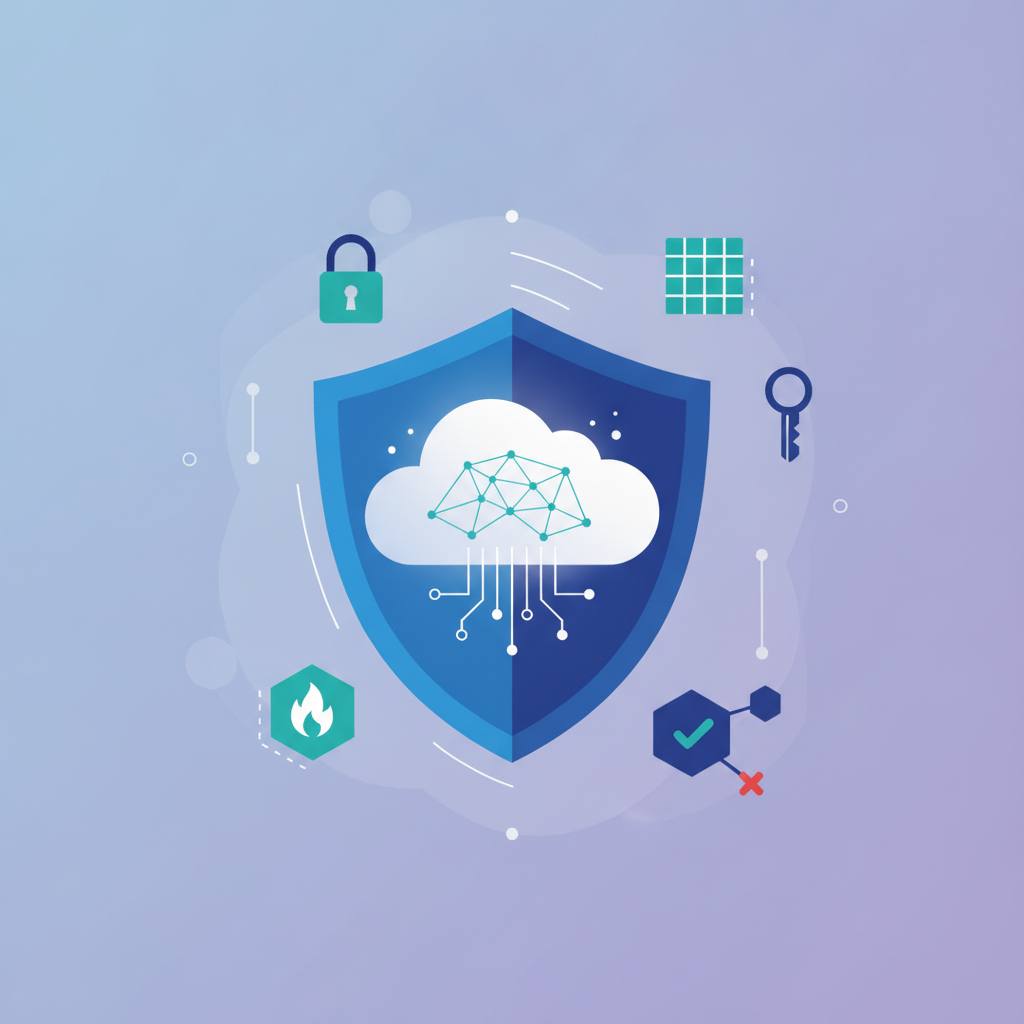
APIs are everywhere, powering the apps you use daily, but they're also a prime target for attacks. Protecting them with strong security practices is key to keeping your personal information safe.
You might not think about them, but APIs, or Application Programming Interfaces, are the unsung heroes behind almost every digital interaction today. They connect your favorite mobile apps, link services, and even help businesses share data. But here's the catch: these crucial connections are also a huge target for cyber attackers. If you use any app online, understanding how APIs are secured – or why they might not be – is super important for your data privacy.
The good news is that top tech developers follow essential rules to keep APIs safe. One of the biggest steps is using modern login methods. Forget old username and password systems; they're too risky. Instead, the best practice is to use advanced standards like OAuth 2.0 and OpenID Connect, often paired with something called 'PKCE'. This setup prevents tricky attacks where your login information could be intercepted, especially on mobile phones or web apps. On top of that, Multi-Factor Authentication (MFA) is a must – that's when you get a code on your phone after typing your password. Even if someone somehow gets your password, they can't get in without that second step. Also, access tokens should only last for a very short time, like 15 minutes, making it harder for attackers to use stolen credentials. The key takeaway? Secure logins with modern tech, short-lived access, and MFA keep you much safer.
Another critical area is authorization – knowing what you're allowed to do once you're logged in. Many apps fall short here, leading to a common vulnerability called 'Broken Object Level Authorization' (BOLA). This happens when an app lets you see someone else's information just by changing a number in the web address. Imagine being able to see another user's order details simply by changing an ID number in the URL! A secure API checks every single request to make sure the data you're trying to access actually belongs to you. It verifies if you're allowed to perform that specific action before touching any sensitive information. By enforcing these strict checks, developers ensure that your data stays private and out of reach from unintended eyes.
The good news is that top tech developers follow essential rules to keep APIs safe. One of the biggest steps is using modern login methods. Forget old username and password systems; they're too risky. Instead, the best practice is to use advanced standards like OAuth 2.0 and OpenID Connect, often paired with something called 'PKCE'. This setup prevents tricky attacks where your login information could be intercepted, especially on mobile phones or web apps. On top of that, Multi-Factor Authentication (MFA) is a must – that's when you get a code on your phone after typing your password. Even if someone somehow gets your password, they can't get in without that second step. Also, access tokens should only last for a very short time, like 15 minutes, making it harder for attackers to use stolen credentials. The key takeaway? Secure logins with modern tech, short-lived access, and MFA keep you much safer.
Another critical area is authorization – knowing what you're allowed to do once you're logged in. Many apps fall short here, leading to a common vulnerability called 'Broken Object Level Authorization' (BOLA). This happens when an app lets you see someone else's information just by changing a number in the web address. Imagine being able to see another user's order details simply by changing an ID number in the URL! A secure API checks every single request to make sure the data you're trying to access actually belongs to you. It verifies if you're allowed to perform that specific action before touching any sensitive information. By enforcing these strict checks, developers ensure that your data stays private and out of reach from unintended eyes.