We're entering an era where software innovations will quickly enhance user experiences across devices, while AI transforms development and encourages more positive online interactions.
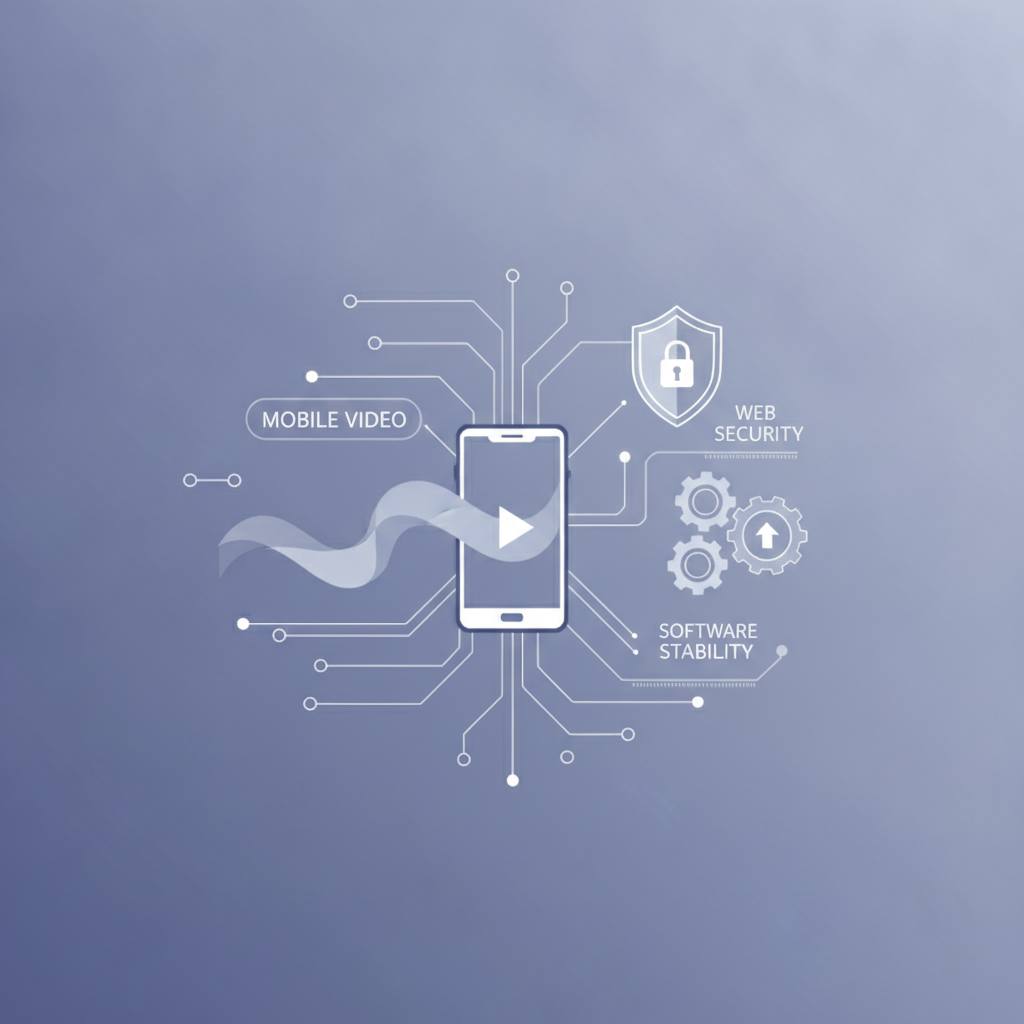
Recent developments in the tech world indicate a significant leap in how we interact with our devices and how software is developed. Enhancements are no longer exclusive to flagship phones; the imminent release of beta updates like One UI 9 for the Samsung Galaxy A35 shows that advanced software will reach a broader range of devices more quickly. This means users can expect continuously improved experiences and new features without needing the priciest phones. Software will become a primary driver of innovation, making everyday device use smoother and more enjoyable for everyone.
In the realm of software development, the roles of creators are fundamentally shifting. When AI can rapidly generate dozens of lines of clean, working code, the focus moves from mastering 'how to build' the code to 'imagining' and designing it. Writing correct code won't be the hard part anymore. AI will handle routine, repetitive tasks, freeing human developers to concentrate on complex problem-solving, innovative design, and conceiving what needs to be built. This shift will open doors for more individuals to create new applications and solutions, accelerating the pace of innovation.
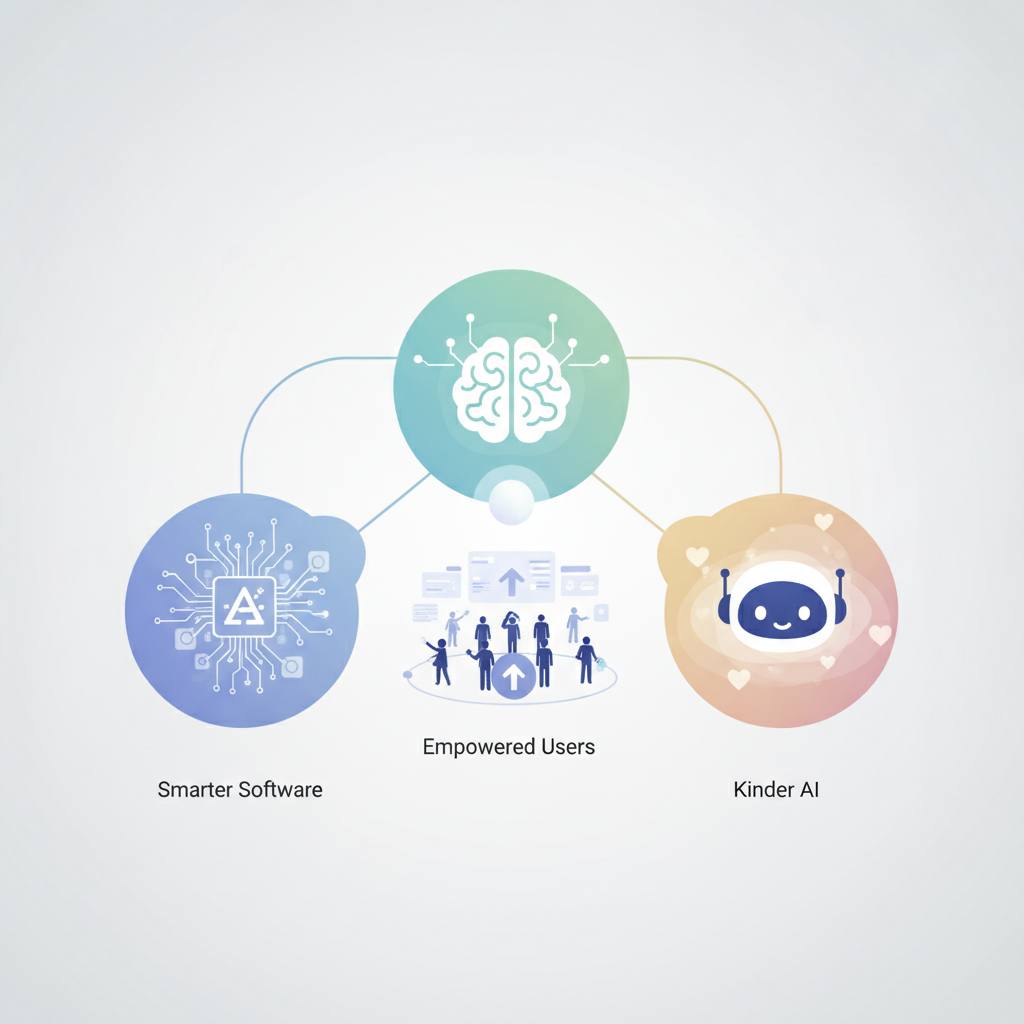
On another front, AI's role isn't limited to technical efficiency; it's moving towards positive social impact. The idea of a free compliment engine like HypeBESTIE, leveraging AI to spread goodwill, points to a new direction. Instead of fueling the contention or scarcity of validation seen on social platforms today, AI can be a tool to foster kindness and constructive interaction. Expect to see more tools that utilize AI to enhance digital well-being and encourage positive human interaction. The future of tech is geared towards empowering users and democratizing innovation, with an increasing focus on AI's role in building healthier, more supportive digital communities.
In the realm of software development, the roles of creators are fundamentally shifting. When AI can rapidly generate dozens of lines of clean, working code, the focus moves from mastering 'how to build' the code to 'imagining' and designing it. Writing correct code won't be the hard part anymore. AI will handle routine, repetitive tasks, freeing human developers to concentrate on complex problem-solving, innovative design, and conceiving what needs to be built. This shift will open doors for more individuals to create new applications and solutions, accelerating the pace of innovation.
On another front, AI's role isn't limited to technical efficiency; it's moving towards positive social impact. The idea of a free compliment engine like HypeBESTIE, leveraging AI to spread goodwill, points to a new direction. Instead of fueling the contention or scarcity of validation seen on social platforms today, AI can be a tool to foster kindness and constructive interaction. Expect to see more tools that utilize AI to enhance digital well-being and encourage positive human interaction. The future of tech is geared towards empowering users and democratizing innovation, with an increasing focus on AI's role in building healthier, more supportive digital communities.