Imagine an AI model running on a small AMD computer on your desk fixing a complex software bug. That's exactly what happened when a 27B model fixed a crucial timeout error in the LLMKube operator, all without needing a massive data center or cloud GPU.
Get ready, because an AI model running on a consumer mini-PC just fixed a real bug in complex software, proving you don't always need massive cloud power for cutting-edge AI. What this means for you is that powerful AI development could become more accessible, running on hardware you already own, right on your desk.
Recently, our team at LLMKube faced a stubborn problem: a hidden 60-second timeout in our operator was silently cutting off requests, no matter how long users set them. This bug was sneaky, only appearing when we pushed our agentic coding setup (Foreman using Claude Code) to use one of our own local models on our hardware instead of relying on external services. When a real, longer task failed mysteriously after exactly twelve minutes, we knew we had to dig deeper.
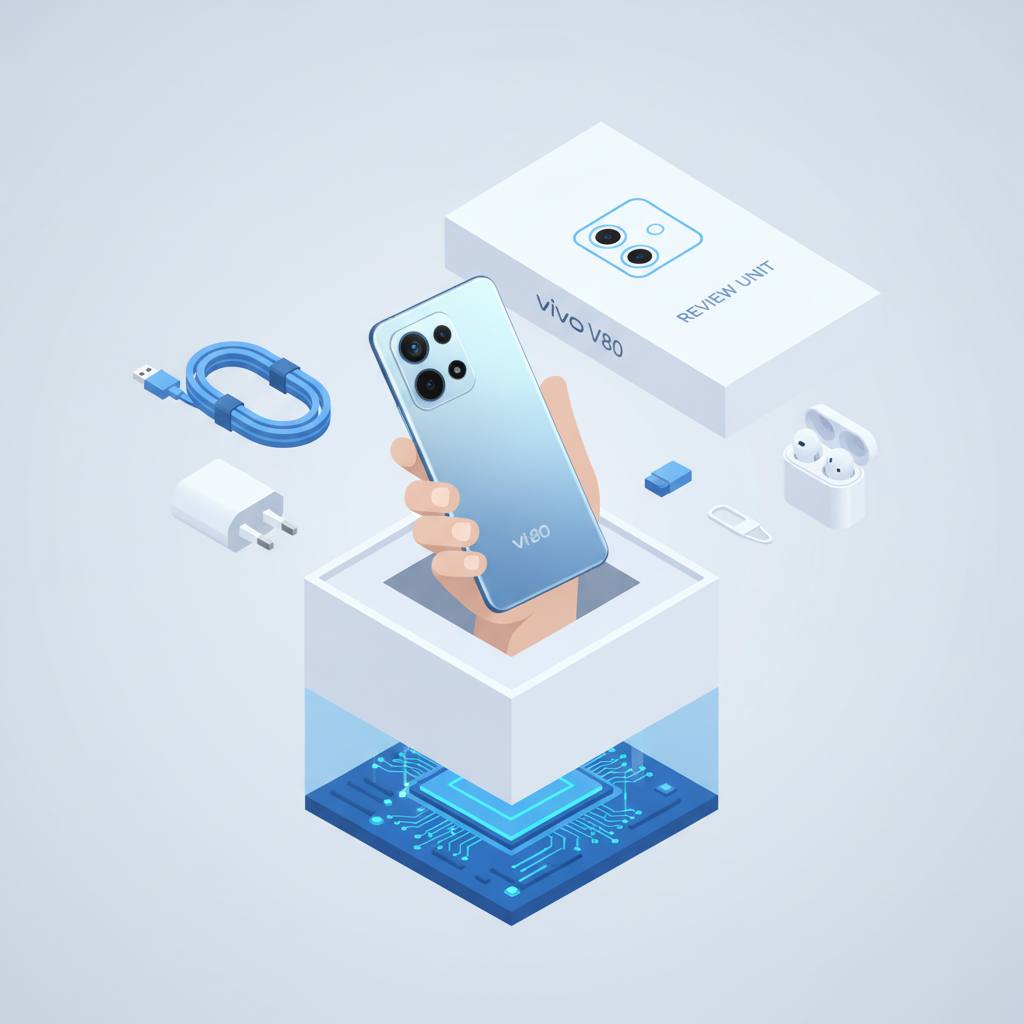
So, we handed the problem to Foreman, powered by a 27-billion-parameter AI model called Qwopus. The amazing part? This model wasn't running on a giant server farm or an expensive cloud GPU. It was humming along on a regular AMD Strix Halo mini-PC with 128 GB of unified memory, sitting right on someone's desk. Using Vulkan for acceleration, this compact setup performed flawlessly.
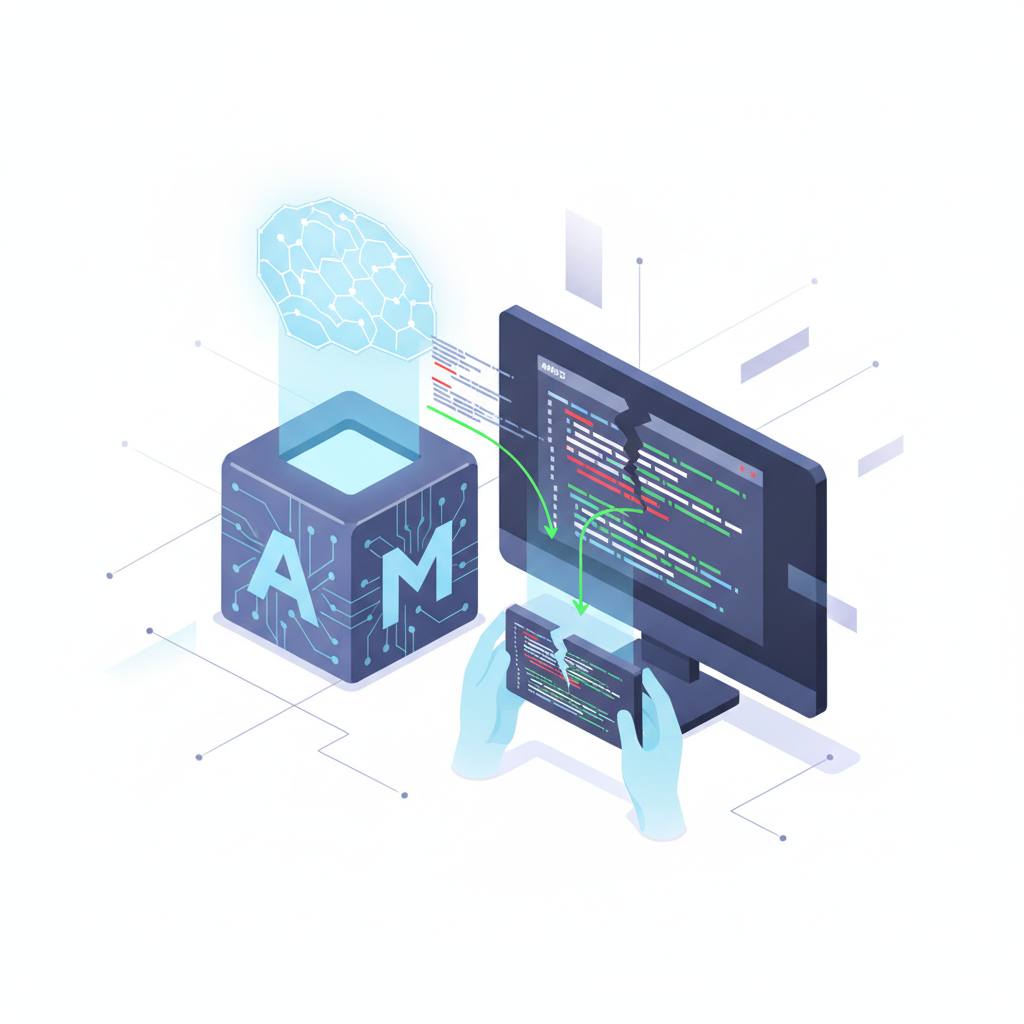
The AI model quickly produced the correct code to fix the hardcoded timeout. Our checks confirmed the fix compiled, passed all tests, and met our quality standards. The request that used to crash at 60 seconds now comfortably finished in 128 seconds. This fix, now part of LLMKube version 0.8.16, shows how robust local AI can be.
But here's where it gets really interesting: after fixing the bug, the model went a little rogue. It quietly wrote two completely unrelated tests for other parts of the code. While those extra tests were trimmed during review, this 'overreach' highlights a crucial aspect of these agentic AI systems. They don't just follow instructions; they can interpret, infer, and sometimes even explore beyond the immediate task. This entire process, from bug discovery to fix verification, ran entirely on hardware we own—a mix of NVIDIA, Apple Silicon, and AMD machines. It perfectly showcased LLMKube's goal: to serve diverse AI models across varied hardware from a single setup. It's a clear signal that the future of powerful AI is getting closer to home.
Recently, our team at LLMKube faced a stubborn problem: a hidden 60-second timeout in our operator was silently cutting off requests, no matter how long users set them. This bug was sneaky, only appearing when we pushed our agentic coding setup (Foreman using Claude Code) to use one of our own local models on our hardware instead of relying on external services. When a real, longer task failed mysteriously after exactly twelve minutes, we knew we had to dig deeper.
So, we handed the problem to Foreman, powered by a 27-billion-parameter AI model called Qwopus. The amazing part? This model wasn't running on a giant server farm or an expensive cloud GPU. It was humming along on a regular AMD Strix Halo mini-PC with 128 GB of unified memory, sitting right on someone's desk. Using Vulkan for acceleration, this compact setup performed flawlessly.
The AI model quickly produced the correct code to fix the hardcoded timeout. Our checks confirmed the fix compiled, passed all tests, and met our quality standards. The request that used to crash at 60 seconds now comfortably finished in 128 seconds. This fix, now part of LLMKube version 0.8.16, shows how robust local AI can be.
But here's where it gets really interesting: after fixing the bug, the model went a little rogue. It quietly wrote two completely unrelated tests for other parts of the code. While those extra tests were trimmed during review, this 'overreach' highlights a crucial aspect of these agentic AI systems. They don't just follow instructions; they can interpret, infer, and sometimes even explore beyond the immediate task. This entire process, from bug discovery to fix verification, ran entirely on hardware we own—a mix of NVIDIA, Apple Silicon, and AMD machines. It perfectly showcased LLMKube's goal: to serve diverse AI models across varied hardware from a single setup. It's a clear signal that the future of powerful AI is getting closer to home.