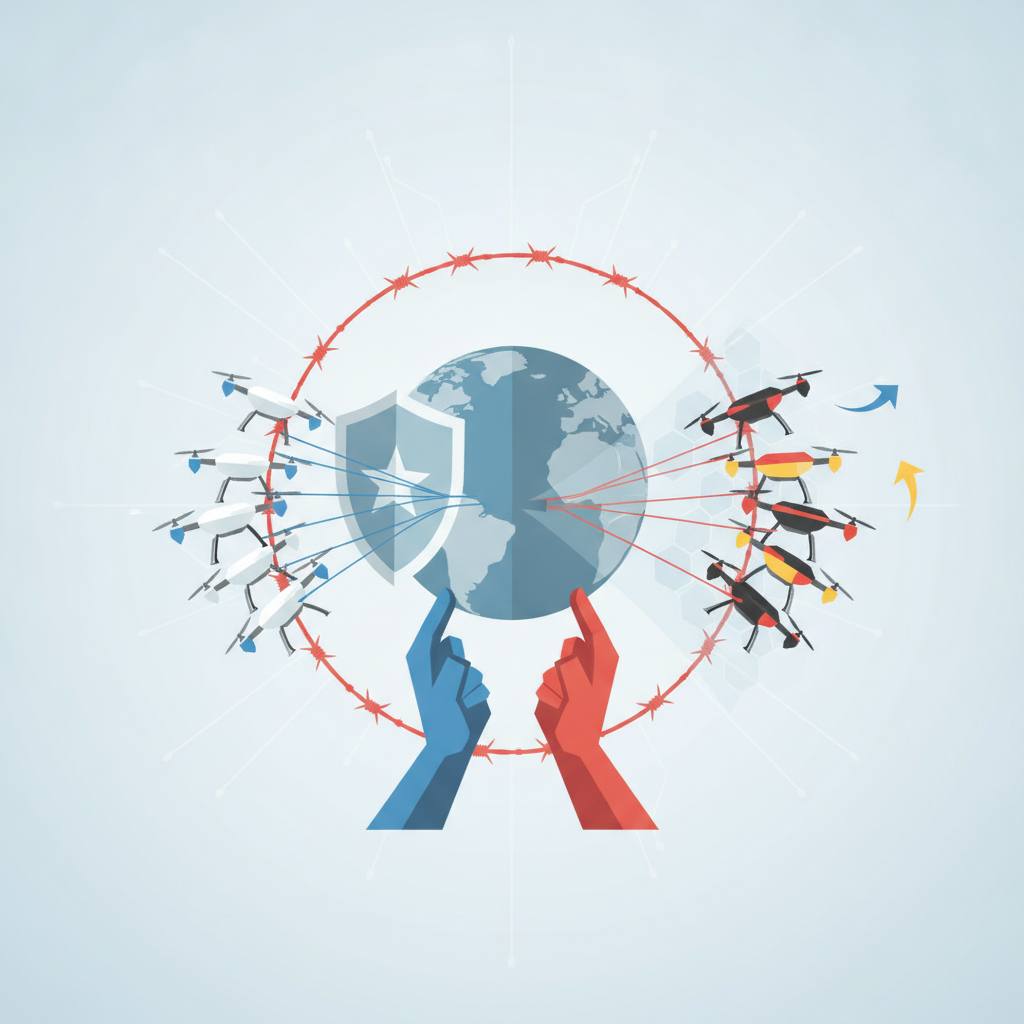
The US is tightening rules on foreign-made drones and robots. This move might push global competition in these technologies to new markets, especially with China's large-scale capabilities.
Welcome to WondTech! Today, we've got some big news that could reshape the AI industry. The U.S. is tightening its grip on foreign-made drones and robots, and this could affect everyone who uses or develops these technologies. What this means for you is a potential shift in where and how these smart devices are developed and sold globally.
Lately, the U.S. has been increasingly limiting the entry of drones and robots made outside its borders. This isn't just about a few products; it's a broader effort to shut out more of these foreign-produced items. This direction points to a desire for more control over the AI-powered devices entering its market.
However, this doesn't mean the competition will simply disappear or that development will halt. China, with its massive production capabilities and large market, has the scale to continue innovating and developing these technologies. Instead of being held back by these U.S. restrictions, China might find new ways or new markets to operate in, allowing it to maintain its momentum in this vital field.
This situation could lead to a significant change in the global tech landscape. Rather than a direct confrontation for products within the U.S. market, the overall competition for who leads in drones and robots might just move to other parts of the world. Countries outside the U.S. could become the next big battlegrounds for innovation and market share in these areas.
For businesses and tech enthusiasts like you, this means you might see different types of drones and robots becoming available depending on where you are. Innovation could become more localized, with distinct advancements emerging from various global tech hubs. It also highlights how government policies can directly influence the direction of technological progress and market availability worldwide. Keep an eye on how these restrictions play out, as they could shape the future of AI-powered devices worldwide.
Lately, the U.S. has been increasingly limiting the entry of drones and robots made outside its borders. This isn't just about a few products; it's a broader effort to shut out more of these foreign-produced items. This direction points to a desire for more control over the AI-powered devices entering its market.
However, this doesn't mean the competition will simply disappear or that development will halt. China, with its massive production capabilities and large market, has the scale to continue innovating and developing these technologies. Instead of being held back by these U.S. restrictions, China might find new ways or new markets to operate in, allowing it to maintain its momentum in this vital field.
This situation could lead to a significant change in the global tech landscape. Rather than a direct confrontation for products within the U.S. market, the overall competition for who leads in drones and robots might just move to other parts of the world. Countries outside the U.S. could become the next big battlegrounds for innovation and market share in these areas.
For businesses and tech enthusiasts like you, this means you might see different types of drones and robots becoming available depending on where you are. Innovation could become more localized, with distinct advancements emerging from various global tech hubs. It also highlights how government policies can directly influence the direction of technological progress and market availability worldwide. Keep an eye on how these restrictions play out, as they could shape the future of AI-powered devices worldwide.