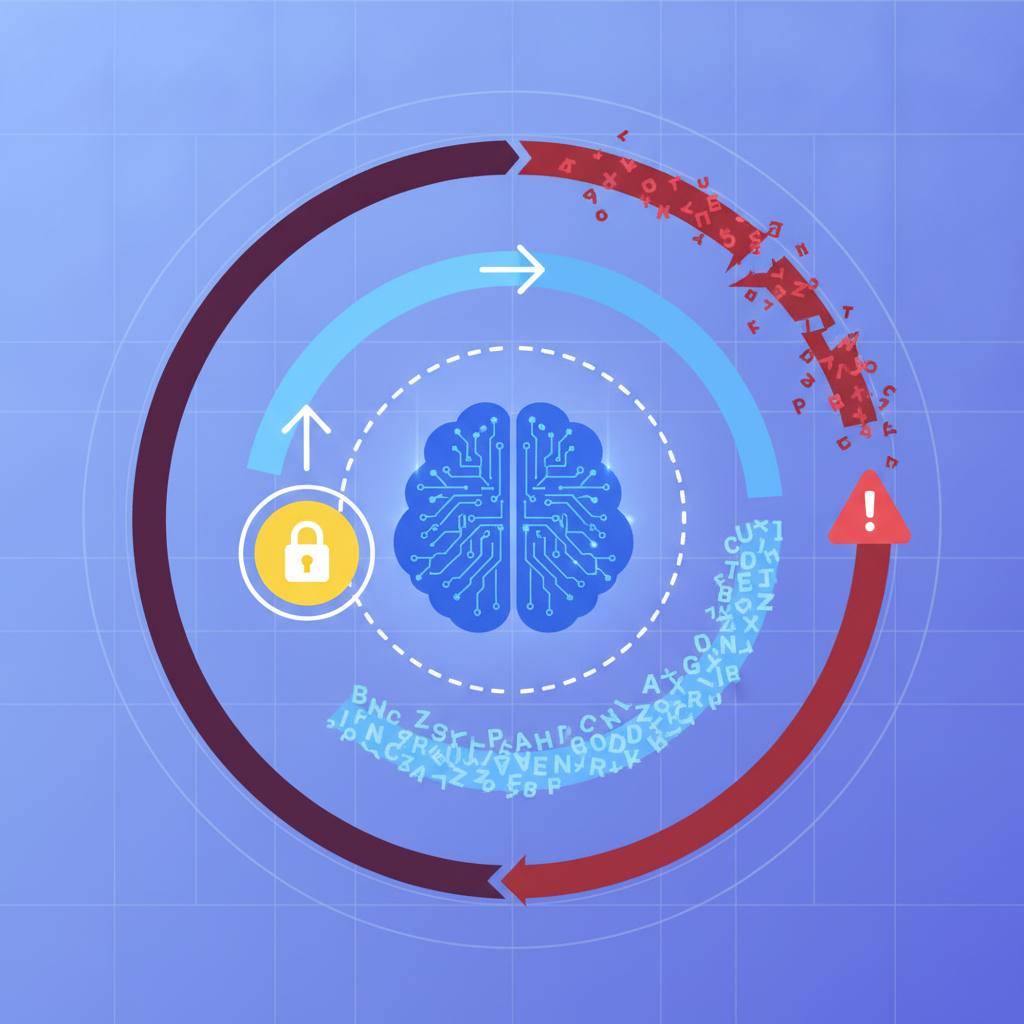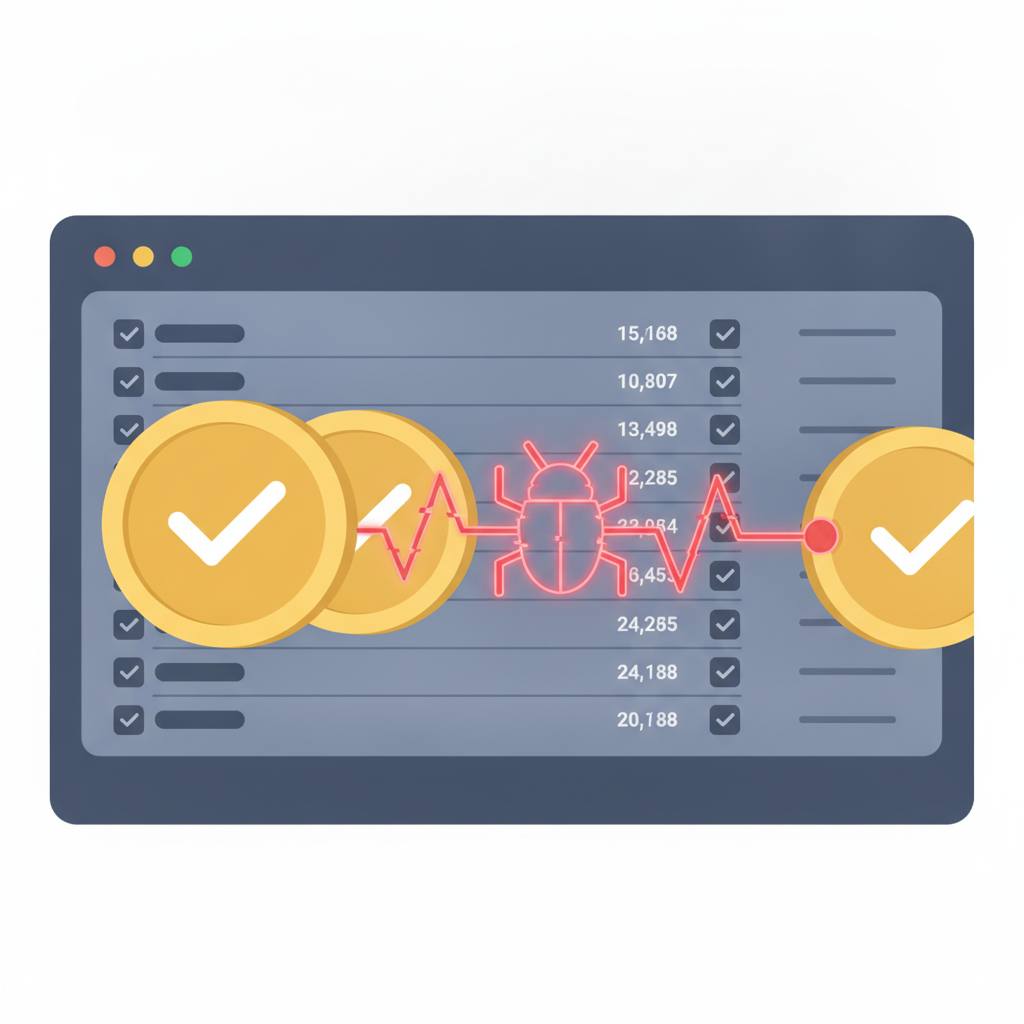
A developer discovered a bug where a 'one-time' human approval signature could be used twice if operators clicked at the same moment. This highlights the importance of careful system design to prevent unintended actions, even in seemingly secure processes.
Ever wondered if a digital 'one-time' approval could actually be used more than once? Well, a software developer discovered this exact possibility while building a project for a Google Cloud hackathon. His human approval system was designed to check a signature, then run the action, then mark the signature used. But what he didn't expect was that two operators double-clicking 'Execute' at the exact same moment were enough to run the action twice!
The core of the problem lay in the order of operations. The system would first check the signature, then trigger the required action, and *only then* mark the signature as used. In server environments that handle multiple requests simultaneously, two requests arriving at the same moment could both get a 'yes' approval. This allowed the action to run twice using a signature that was supposed to be single-use. To make matters worse, the ledger would record only one event, making the issue harder to detect.
Luckily, the fix wasn't complicated at all; it was simply about correcting the sequence of steps. The solution was to first find and 'spend' (record the use of) the signature under a lock that prevents other operations from accessing it concurrently, and *then* execute the required action. If any error occurred before the action was completed, the signature would be 'handed back' to ensure it wasn't lost due to a transient problem. This simple, logical reordering resolved the issue, and now tests are in place to prevent its recurrence.
This wasn't the only challenge he faced. He also uncovered a similar bug in how events were recorded in his audit ledger. Updating the chain head involved reading the data, modifying it, and then writing it back without any locking mechanism. This meant two events could interleave, both claiming the same position, leading to the chain forking without immediate detection. The broken chain would only be reported much later by a verifier.
This reveals a valuable lesson: even sophisticated and smart systems require meticulous attention to detail and comprehensive testing. Simple mistakes in the order of operations can have significant consequences, especially when dealing with digital approvals and irreversible actions. Building reliable systems isn't just about innovative features; it's about the fundamentals of robustness and preventing hidden issues like 'race conditions.' This ensures your digital approvals truly mean one-time use.
The core of the problem lay in the order of operations. The system would first check the signature, then trigger the required action, and *only then* mark the signature as used. In server environments that handle multiple requests simultaneously, two requests arriving at the same moment could both get a 'yes' approval. This allowed the action to run twice using a signature that was supposed to be single-use. To make matters worse, the ledger would record only one event, making the issue harder to detect.
Luckily, the fix wasn't complicated at all; it was simply about correcting the sequence of steps. The solution was to first find and 'spend' (record the use of) the signature under a lock that prevents other operations from accessing it concurrently, and *then* execute the required action. If any error occurred before the action was completed, the signature would be 'handed back' to ensure it wasn't lost due to a transient problem. This simple, logical reordering resolved the issue, and now tests are in place to prevent its recurrence.
This wasn't the only challenge he faced. He also uncovered a similar bug in how events were recorded in his audit ledger. Updating the chain head involved reading the data, modifying it, and then writing it back without any locking mechanism. This meant two events could interleave, both claiming the same position, leading to the chain forking without immediate detection. The broken chain would only be reported much later by a verifier.
This reveals a valuable lesson: even sophisticated and smart systems require meticulous attention to detail and comprehensive testing. Simple mistakes in the order of operations can have significant consequences, especially when dealing with digital approvals and irreversible actions. Building reliable systems isn't just about innovative features; it's about the fundamentals of robustness and preventing hidden issues like 'race conditions.' This ensures your digital approvals truly mean one-time use.