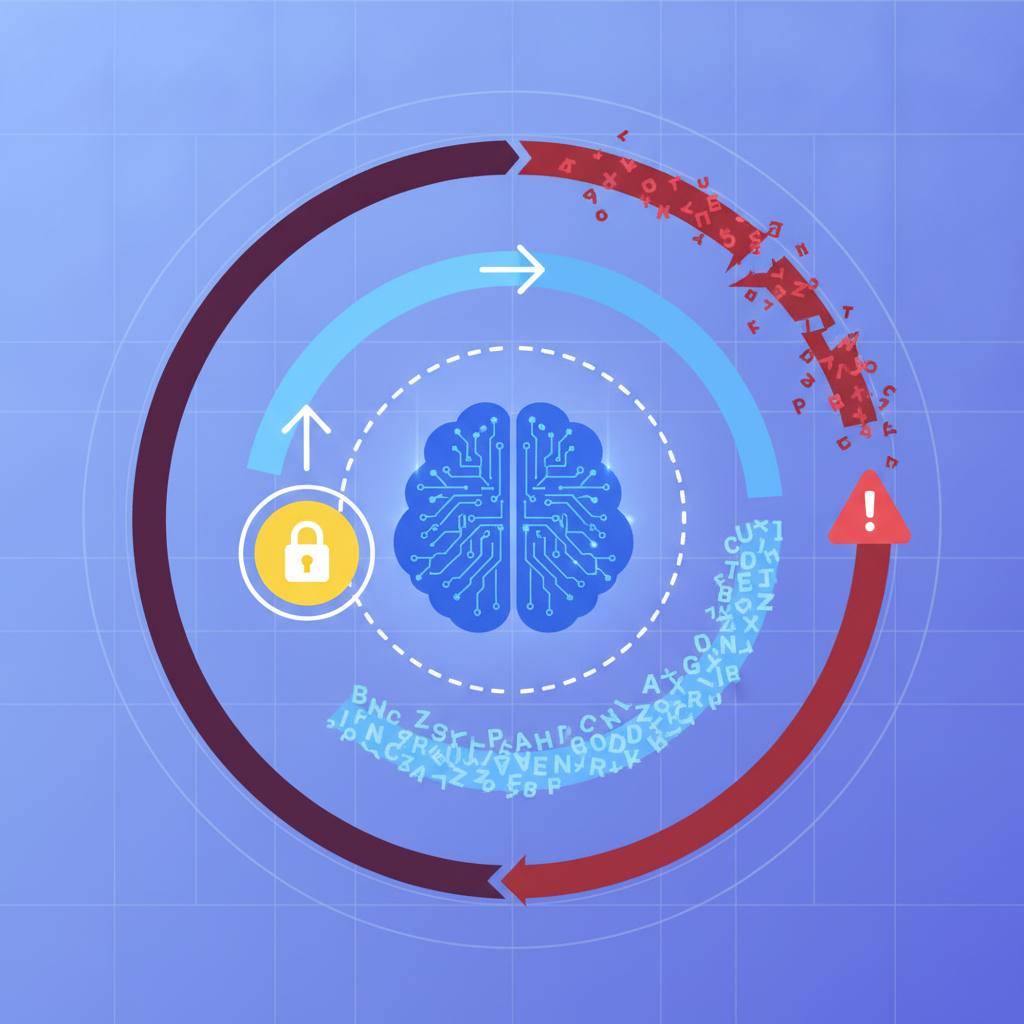
New insights suggest that not every system handling financial settlements needs the common 'outbox pattern' for reliable event publishing. Instead, a 'two-layer idempotency' model offers a simpler, yet effective, alternative for many applications.
Hey WondTech readers! Ever wondered how critical systems, especially those dealing with payments or settlements, make sure every message gets sent reliably without losing data? A recent insight challenges the common wisdom that every such system needs a complex solution called the 'outbox pattern' for reliable event publishing. Instead, a simpler 'two-layer idempotency' model might be all you need.
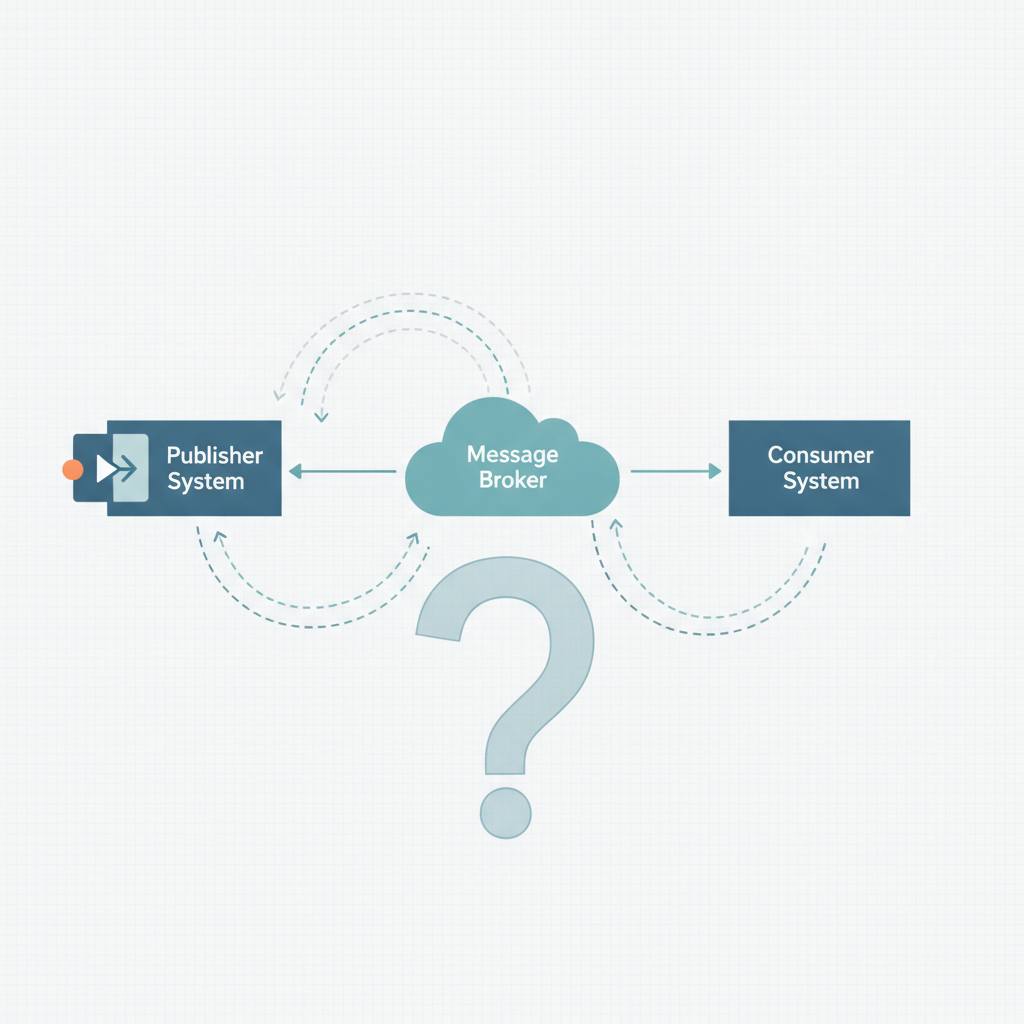
What does this mean for you? If you’re building or working with systems that send out notifications or events after a database update, you might have more efficient options than you thought. The core problem is tough: once you update your database, how do you tell other parts of your system, or even other services (like Kafka), that something happened, without messing things up?
Here’s the challenge: if you try to send that 'event' *inside* your database transaction, and then the transaction fails, you might have told the world about something that never actually happened. Not good! But if you wait until *after* the database transaction successfully commits to send the event, there’s a tiny window where your system could crash, or the network could fail. In that moment, your database thinks everything is fine, but the outside world never got the message. This leads to inconsistent data and headaches.
The popular 'outbox pattern' solves this elegantly. It works by having your application write the event not directly to Kafka, but to a special 'outbox' table *within the same database transaction* as your other business data. This makes sure the event entry is saved atomically with your data change. Then, a separate process watches this outbox table, reads new events, and reliably publishes them to Kafka, retrying until success. Only after successful delivery is the event marked as sent in the outbox. It’s a robust solution, ensuring 'at-least-once' delivery without needing tricky two-phase commits across different systems.
However, the latest discussions suggest that while the outbox pattern is powerful, it adds machinery and complexity that might be overkill for many systems. For a significant number of applications, its benefits might not justify the extra overhead, especially when simpler failure modes are at play. The idea of using a 'two-layer idempotency' approach instead proposes a different trade-off, potentially offering similar reliability with less complexity for a meaningful class of systems.
This news reminds us that in tech, even widely accepted solutions aren't always the *only* or *best* answer. For developers and system architects, it’s a valuable nudge to carefully evaluate your specific needs and failure scenarios before defaulting to the most complex solution. Sometimes, a more straightforward approach can be just as effective, saving time and resources.
What does this mean for you? If you’re building or working with systems that send out notifications or events after a database update, you might have more efficient options than you thought. The core problem is tough: once you update your database, how do you tell other parts of your system, or even other services (like Kafka), that something happened, without messing things up?
Here’s the challenge: if you try to send that 'event' *inside* your database transaction, and then the transaction fails, you might have told the world about something that never actually happened. Not good! But if you wait until *after* the database transaction successfully commits to send the event, there’s a tiny window where your system could crash, or the network could fail. In that moment, your database thinks everything is fine, but the outside world never got the message. This leads to inconsistent data and headaches.
The popular 'outbox pattern' solves this elegantly. It works by having your application write the event not directly to Kafka, but to a special 'outbox' table *within the same database transaction* as your other business data. This makes sure the event entry is saved atomically with your data change. Then, a separate process watches this outbox table, reads new events, and reliably publishes them to Kafka, retrying until success. Only after successful delivery is the event marked as sent in the outbox. It’s a robust solution, ensuring 'at-least-once' delivery without needing tricky two-phase commits across different systems.
However, the latest discussions suggest that while the outbox pattern is powerful, it adds machinery and complexity that might be overkill for many systems. For a significant number of applications, its benefits might not justify the extra overhead, especially when simpler failure modes are at play. The idea of using a 'two-layer idempotency' approach instead proposes a different trade-off, potentially offering similar reliability with less complexity for a meaningful class of systems.
This news reminds us that in tech, even widely accepted solutions aren't always the *only* or *best* answer. For developers and system architects, it’s a valuable nudge to carefully evaluate your specific needs and failure scenarios before defaulting to the most complex solution. Sometimes, a more straightforward approach can be just as effective, saving time and resources.