A new tool called Scraping AI is changing how we extract data from websites by using AI to understand content semantically, rather than relying on unstable CSS selectors. This means less broken data and easier maintenance for developers.
Tired of your web scrapers constantly breaking when a site changes its layout? A new AI-powered tool called Scraping AI is here to make data extraction much more reliable, moving away from fragile CSS selectors.
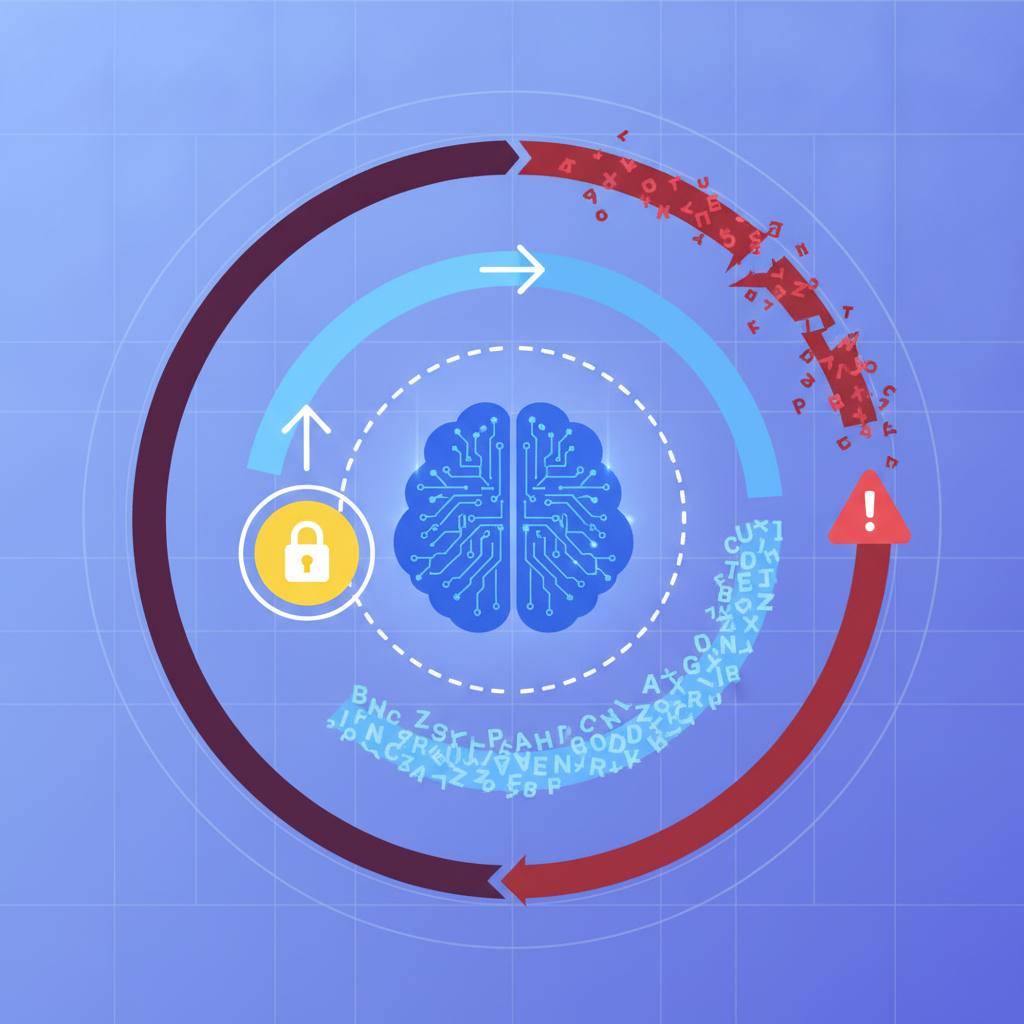
Traditionally, tools like BeautifulSoup or Selenium depend on specific CSS classes and HTML structures to find data. For example, you'd look for a price using a class like `.current-price`. However, when a website updates its frontend, these classes can change (e.g., from `.price` to `._3xP9z`). This immediately breaks your selectors, leading to errors, empty data, and constant maintenance for your data pipelines.
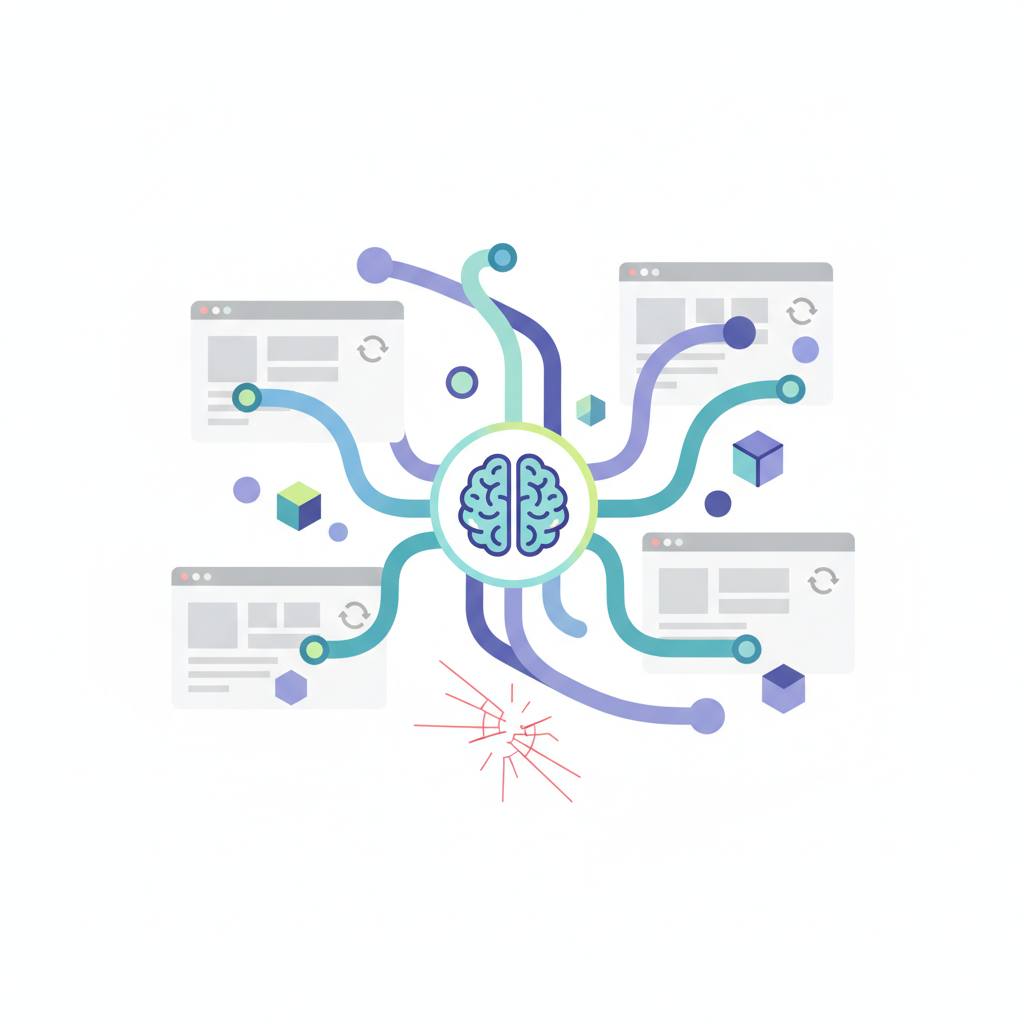
Scraping AI offers a smarter solution. Instead of telling your scraper *where* to find data, you simply tell it *what* data you need. You define a simple schema like `{ "title": "string", "price": "number", "in_stock": "boolean" }`. The AI engine processes the webpage, including dynamic rendering, Markdown distillation, and uses a powerful large language model (LLM) for schema matching. This semantic extraction approach means it understands the meaning of the content, regardless of underlying CSS classes or HTML changes. It knows it's the price, and doesn't care exactly where it's located on the page.
This innovation drastically reduces the need for constant maintenance. You don't have to monitor websites for design changes or rewrite selectors. Scraping AI converts any webpage into validated JSON output, making it incredibly easy to integrate with other AI agents and tools like LangChain. You can get started quickly with their Python SDK by running `pip install scraping-ai`. Plus, you can try it out for free with 200 tokens, no credit card needed. This tool promises to make web data extraction robust and hassle-free.
Traditionally, tools like BeautifulSoup or Selenium depend on specific CSS classes and HTML structures to find data. For example, you'd look for a price using a class like `.current-price`. However, when a website updates its frontend, these classes can change (e.g., from `.price` to `._3xP9z`). This immediately breaks your selectors, leading to errors, empty data, and constant maintenance for your data pipelines.
Scraping AI offers a smarter solution. Instead of telling your scraper *where* to find data, you simply tell it *what* data you need. You define a simple schema like `{ "title": "string", "price": "number", "in_stock": "boolean" }`. The AI engine processes the webpage, including dynamic rendering, Markdown distillation, and uses a powerful large language model (LLM) for schema matching. This semantic extraction approach means it understands the meaning of the content, regardless of underlying CSS classes or HTML changes. It knows it's the price, and doesn't care exactly where it's located on the page.
This innovation drastically reduces the need for constant maintenance. You don't have to monitor websites for design changes or rewrite selectors. Scraping AI converts any webpage into validated JSON output, making it incredibly easy to integrate with other AI agents and tools like LangChain. You can get started quickly with their Python SDK by running `pip install scraping-ai`. Plus, you can try it out for free with 200 tokens, no credit card needed. This tool promises to make web data extraction robust and hassle-free.