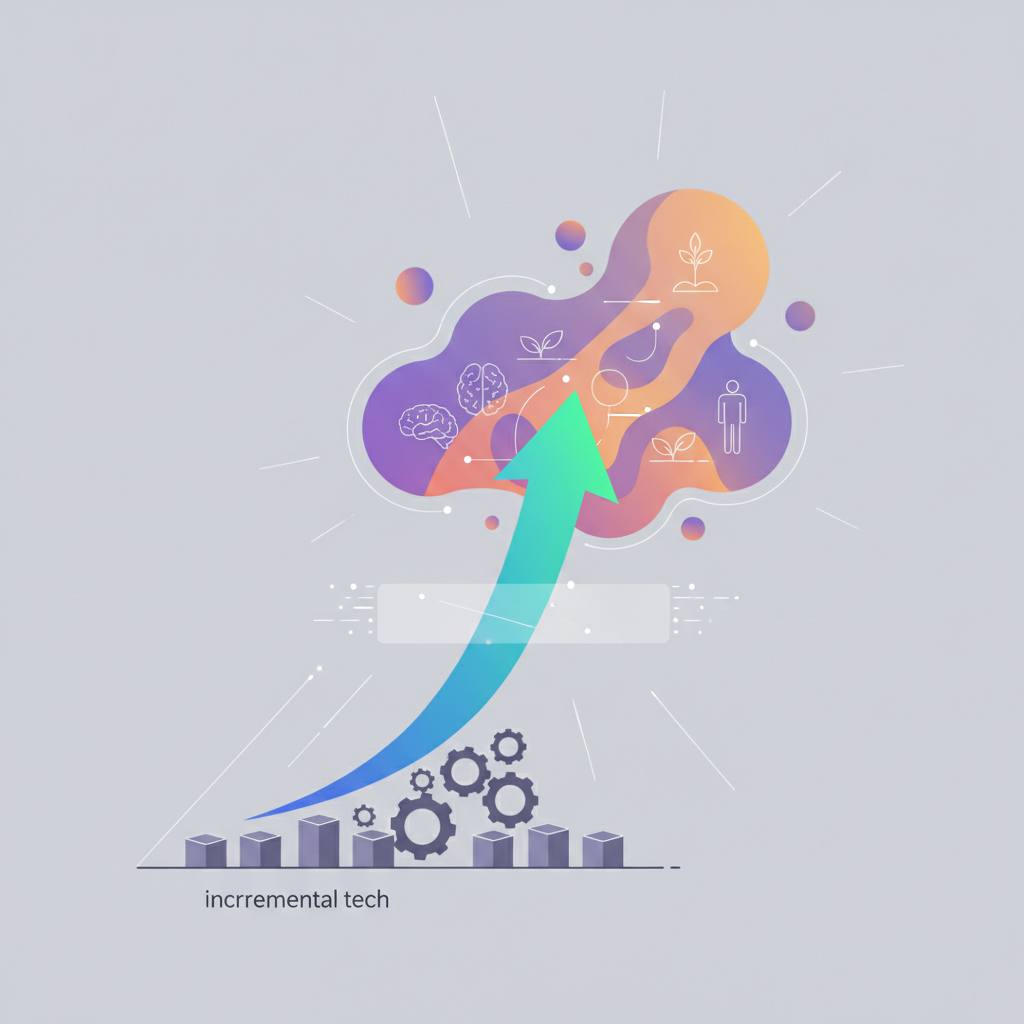
The tech world is shifting from rapid, minor updates to focusing on deeper integration and substantial innovation. We'll see fewer incremental announcements and more meaningful releases, driven by consumer expectation and advanced AI's need for profound human understanding.
Developers are increasingly questioning the traditional «building in public» approach, where every roadmap detail, coming-soon screenshot, and unfinished feature is shared. Instead of narrating features that aren't complete, many are now choosing to publish *after* the work is done. This isn't about reducing visibility, but about strategically delivering a more polished and substantial product, indicating a shift towards quality over constant updates.
This trend runs parallel to what we observe in consumer electronics. The Xiaomi Smart Band 10 Pro review, for instance, highlights how generational updates are often very subtle. A slightly lighter, thinner device, yet largely retaining the same overall design, battery, and core features as its predecessor. This slow pace of fundamental hardware innovation suggests that the focus is shifting away from physical breakthroughs and more towards software experiences and deeper integration into users' lives.
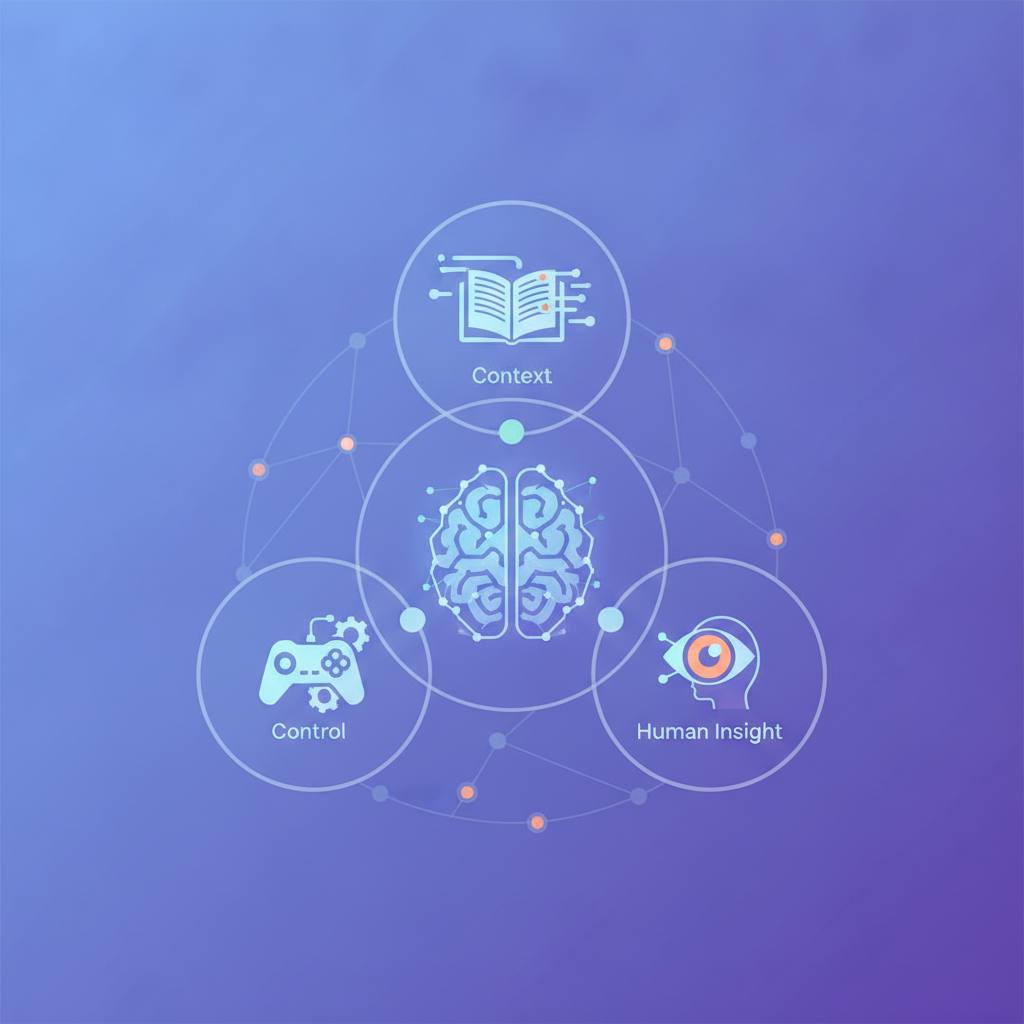
When we connect these two observations, a clearer picture of the future emerges. The emphasis on launching complete, meaningful products, coupled with slower hardware evolution, means companies will strive to deliver richer experiences. This sets the stage for a deeper role for Artificial Intelligence. The need for more complex data inputs—beyond simple videos, requiring multiple camera angles, dense annotation, and soon, brain wave readings—points to a desire for a profound understanding of human intention and interaction. AI won't just process surface-level data; it will seek to decode human thoughts and feelings to offer more personalized and intuitive experiences.
At WondTech, we predict this convergence will fundamentally change how technology is developed and released. Instead of frequent announcements of minor updates or 'coming soon' teasers, we will see a pivot towards fewer, but significantly more impactful releases. These will be the result of deeper, more integrated development cycles, focused on delivering true core value to users. Consumers will increasingly demand substantial leaps in utility and functionality, not just marginal improvements. Therefore, companies will aim to provide technology that integrates more profoundly into our lives, responding to our needs in ways previously unimaginable, powered by AI's deeper understanding of human behavior. The future belongs to technology that offers real meaning and tangible impact.
This trend runs parallel to what we observe in consumer electronics. The Xiaomi Smart Band 10 Pro review, for instance, highlights how generational updates are often very subtle. A slightly lighter, thinner device, yet largely retaining the same overall design, battery, and core features as its predecessor. This slow pace of fundamental hardware innovation suggests that the focus is shifting away from physical breakthroughs and more towards software experiences and deeper integration into users' lives.
When we connect these two observations, a clearer picture of the future emerges. The emphasis on launching complete, meaningful products, coupled with slower hardware evolution, means companies will strive to deliver richer experiences. This sets the stage for a deeper role for Artificial Intelligence. The need for more complex data inputs—beyond simple videos, requiring multiple camera angles, dense annotation, and soon, brain wave readings—points to a desire for a profound understanding of human intention and interaction. AI won't just process surface-level data; it will seek to decode human thoughts and feelings to offer more personalized and intuitive experiences.
At WondTech, we predict this convergence will fundamentally change how technology is developed and released. Instead of frequent announcements of minor updates or 'coming soon' teasers, we will see a pivot towards fewer, but significantly more impactful releases. These will be the result of deeper, more integrated development cycles, focused on delivering true core value to users. Consumers will increasingly demand substantial leaps in utility and functionality, not just marginal improvements. Therefore, companies will aim to provide technology that integrates more profoundly into our lives, responding to our needs in ways previously unimaginable, powered by AI's deeper understanding of human behavior. The future belongs to technology that offers real meaning and tangible impact.