AI guardrails, set by major AI companies like OpenAI and Anthropic, are making it harder for offensive cybersecurity researchers to do their essential work in finding system vulnerabilities.
Hey WondTech readers! We've got an interesting update from the world of AI and cybersecurity. It turns out that those helpful guardrails built into advanced AI systems like the ones from OpenAI and Anthropic are actually making life tougher for some crucial cybersecurity researchers.
So, what does this mean for you? Well, these researchers are the good guys who actively look for unknown weaknesses and bugs in computer systems and software. They even develop tools to show how these vulnerabilities could be exploited. Their goal is to find these problems 'before' cybercriminals do, giving companies a chance to fix them. If their work is slowed down, it could mean that potential threats might go undiscovered for longer, leaving our online systems potentially less secure.
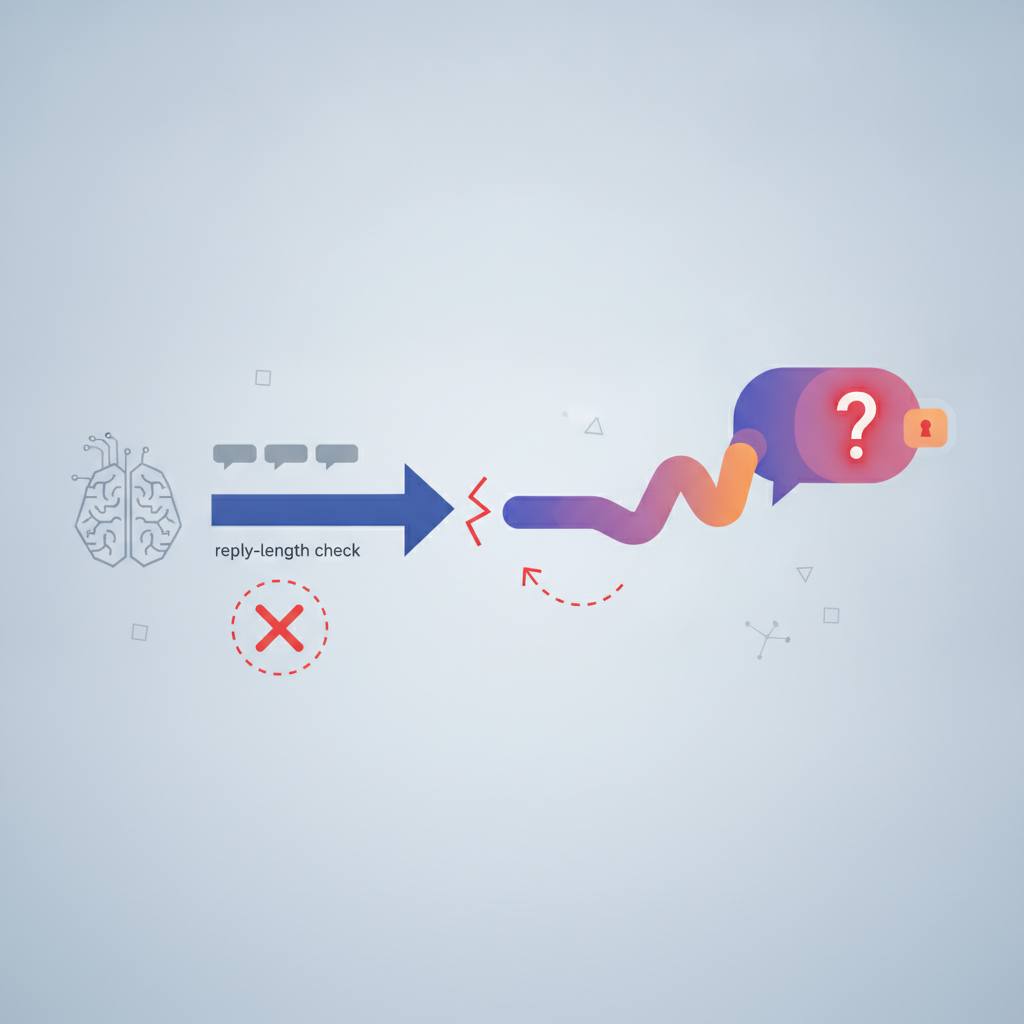
We spoke with several of these 'offensive' cybersecurity researchers. They told us that the safety features – or 'guardrails' – in AI models are designed to prevent the AI from being used for harmful purposes. This is a good thing, of course. However, these guardrails are also preventing the AI from helping researchers in their legitimate work. For example, if a researcher is trying to simulate a sophisticated attack to uncover a system's weak points, the AI might refuse to assist, seeing the request as 'malicious' even when the intent is purely defensive.
Imagine a doctor trying to understand a virus to create a vaccine, but their microscope has built-in safety features that block them from seeing how the virus infects cells. It's a similar situation here. Researchers need to understand how vulnerabilities work and how they can be exploited to develop better defenses. If AI tools, which could speed up this process, are too restrictive, it slows down the entire cycle of finding, understanding, and fixing security flaws. Ultimately, this could impact how quickly new online threats are identified and neutralized, making the internet a slightly riskier place for all of us.
So, what does this mean for you? Well, these researchers are the good guys who actively look for unknown weaknesses and bugs in computer systems and software. They even develop tools to show how these vulnerabilities could be exploited. Their goal is to find these problems 'before' cybercriminals do, giving companies a chance to fix them. If their work is slowed down, it could mean that potential threats might go undiscovered for longer, leaving our online systems potentially less secure.
We spoke with several of these 'offensive' cybersecurity researchers. They told us that the safety features – or 'guardrails' – in AI models are designed to prevent the AI from being used for harmful purposes. This is a good thing, of course. However, these guardrails are also preventing the AI from helping researchers in their legitimate work. For example, if a researcher is trying to simulate a sophisticated attack to uncover a system's weak points, the AI might refuse to assist, seeing the request as 'malicious' even when the intent is purely defensive.
Imagine a doctor trying to understand a virus to create a vaccine, but their microscope has built-in safety features that block them from seeing how the virus infects cells. It's a similar situation here. Researchers need to understand how vulnerabilities work and how they can be exploited to develop better defenses. If AI tools, which could speed up this process, are too restrictive, it slows down the entire cycle of finding, understanding, and fixing security flaws. Ultimately, this could impact how quickly new online threats are identified and neutralized, making the internet a slightly riskier place for all of us.