A software engineer from Bangladesh, Shahriar Hossain, shares his passion for understanding how software systems truly work and explores how AI is changing the landscape of software development.
Shahriar Hossain, a software engineer from Dhaka, Bangladesh, offers his perspective on the complex world of software engineering, highlighting the importance of understanding what goes on behind the scenes. He doesn't just enjoy building software; he's always seeking a deep comprehension of the complete request flow within a system, and this passion for deeper exploration is what drew him to the field. For you, this means a thorough understanding of a software's hidden parts is key to its reliable operation.
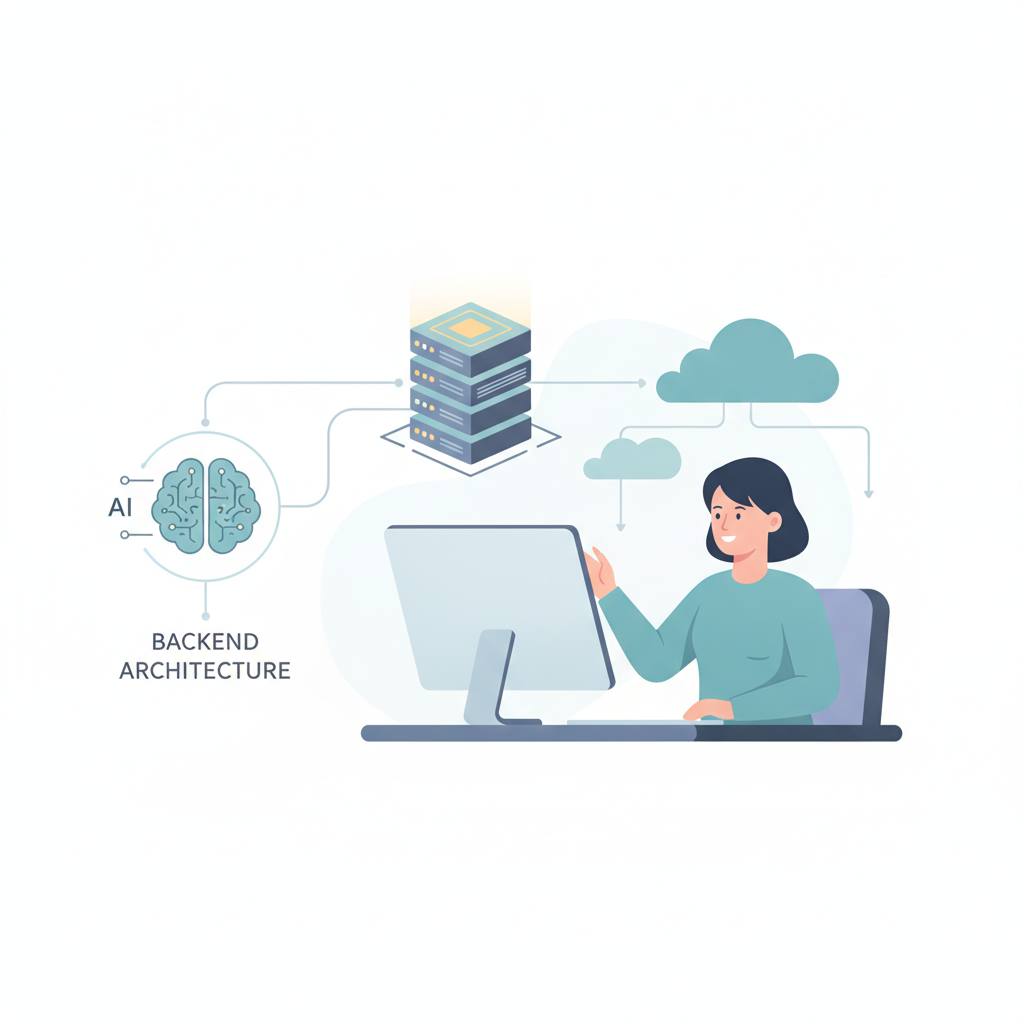
Shahriar's journey in software engineering has been extensive, involving work in frontend and backend development, Software as a Service (SaaS) products, Internet of Things (IoT) systems, automation, databases, cloud deployment, and AI-powered applications. His primary focus today is on backend systems, utilizing technologies like JavaScript, TypeScript, and Python. His experience across various parts of software has shown him that becoming a software engineer isn't just about learning more programming languages; it's about grasping the bigger picture.
Shahriar explains why he enjoys backend engineering: when a user clicks a single button, that action can trigger a sequence of operations like authentication, validation, business logic, database queries, external API calls, logging, error handling, and a structured response. He finds satisfaction in designing APIs, organizing backend modules, modeling data, debugging unexpected behavior, and investigating why a system might behave differently in production environments.
He has worked on an aquaculture monitoring platform, where he managed backend workflows involving live IoT sensor data and MQTT communication. This project taught him that a production backend needs more than just successful responses; it also requires reliable connection handling. Backend engineering often feels like detective work, where you follow evidence through application logic, database records, logs, networks, and integrations until you understand the root cause of a problem.
Shahriar also points out how artificial intelligence is changing software development. He uses tools such as ChatGPT, Codex, Claude Code, Cursor, and GitHub Copilot to support his research, implementation, debugging, code review, refactoring, and documentation. These tools help move faster, but he stresses that speed alone doesn't make software better. This means software engineers still need a deeper understanding of what they are building, even with AI assistance, to ensure the quality of the solutions they deliver to users.
Shahriar's journey in software engineering has been extensive, involving work in frontend and backend development, Software as a Service (SaaS) products, Internet of Things (IoT) systems, automation, databases, cloud deployment, and AI-powered applications. His primary focus today is on backend systems, utilizing technologies like JavaScript, TypeScript, and Python. His experience across various parts of software has shown him that becoming a software engineer isn't just about learning more programming languages; it's about grasping the bigger picture.
Shahriar explains why he enjoys backend engineering: when a user clicks a single button, that action can trigger a sequence of operations like authentication, validation, business logic, database queries, external API calls, logging, error handling, and a structured response. He finds satisfaction in designing APIs, organizing backend modules, modeling data, debugging unexpected behavior, and investigating why a system might behave differently in production environments.
He has worked on an aquaculture monitoring platform, where he managed backend workflows involving live IoT sensor data and MQTT communication. This project taught him that a production backend needs more than just successful responses; it also requires reliable connection handling. Backend engineering often feels like detective work, where you follow evidence through application logic, database records, logs, networks, and integrations until you understand the root cause of a problem.
Shahriar also points out how artificial intelligence is changing software development. He uses tools such as ChatGPT, Codex, Claude Code, Cursor, and GitHub Copilot to support his research, implementation, debugging, code review, refactoring, and documentation. These tools help move faster, but he stresses that speed alone doesn't make software better. This means software engineers still need a deeper understanding of what they are building, even with AI assistance, to ensure the quality of the solutions they deliver to users.