Forget cloud latency for AI agent memory. A new local-first approach using SQLite and full-text search offers a faster, more transparent alternative to traditional vector embeddings.
When it comes to building AI agents that remember what they've done, many immediately think of vector embeddings. The idea is simple: turn a conversation into a unique digital point, store it in the cloud, and then have the AI find similar past interactions. It sounds efficient, right?
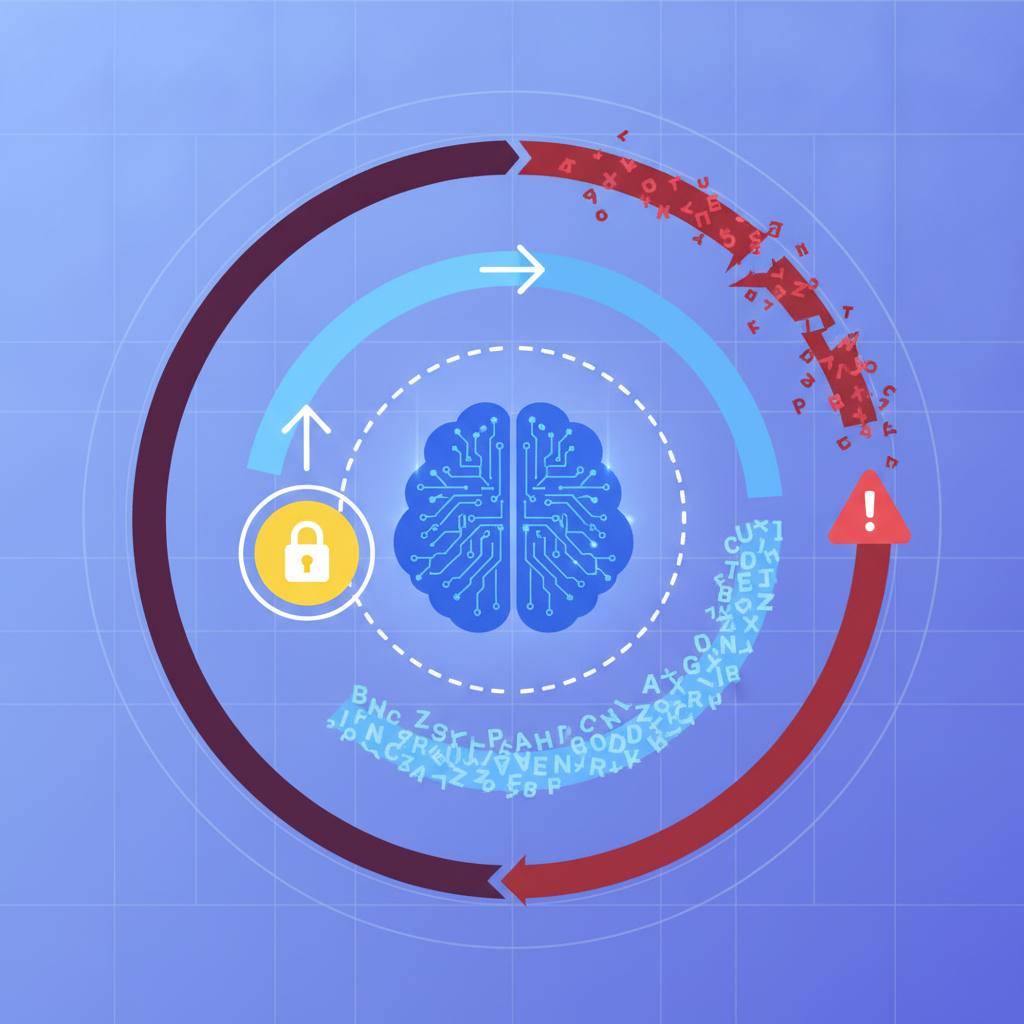
However, this common approach often brings hidden headaches that can slow down your projects and increase costs. Imagine every AI session needing to send data to a cloud server, adding noticeable delays and a cost for each interaction. What's more, the way these memories are stored becomes a black box; you can't easily see or understand why the AI remembers certain things, making debugging a real challenge. Plus, you're dependent on a third-party service, and if they update their underlying models, your stored memories might become useless, forcing a costly re-index.
A data engineer working on a tool called LoreConvo at Labyrinth Analytics found these trade-offs hard to accept. They realized that for a tool meant to feel instant and accessible, relying on distant, opaque cloud services wasn't ideal. Instead, they set out to prove that a different method could offer the same quality of recall without the baggage.
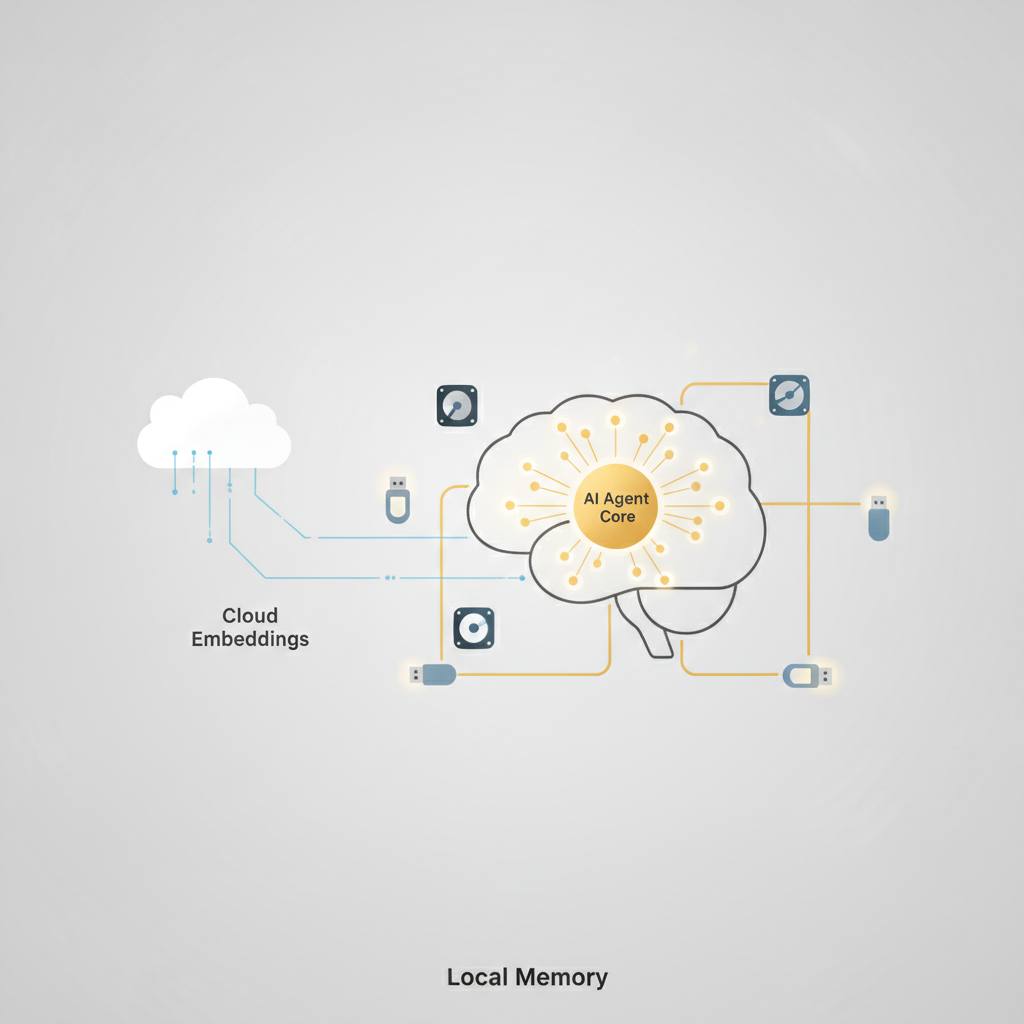
Their solution? A local-first memory layer built using SQLite and its full-text search capability (FTS5). This means the AI agent's memory lives right on your device in a single, manageable SQLite file. It works perfectly offline, integrates smoothly with popular AI tools, and — crucially — gives you direct control and transparency.
What this means for you is significant. You get faster performance because there's no cloud latency. You gain full control over your agent's memory, making it easier to understand, inspect, and debug. Costs can be dramatically reduced since you're not paying for constant cloud calls and storage. This local approach provides a robust, efficient, and transparent way for your AI agents to remember, bringing the immediacy and control of a local file to AI memory.
However, this common approach often brings hidden headaches that can slow down your projects and increase costs. Imagine every AI session needing to send data to a cloud server, adding noticeable delays and a cost for each interaction. What's more, the way these memories are stored becomes a black box; you can't easily see or understand why the AI remembers certain things, making debugging a real challenge. Plus, you're dependent on a third-party service, and if they update their underlying models, your stored memories might become useless, forcing a costly re-index.
A data engineer working on a tool called LoreConvo at Labyrinth Analytics found these trade-offs hard to accept. They realized that for a tool meant to feel instant and accessible, relying on distant, opaque cloud services wasn't ideal. Instead, they set out to prove that a different method could offer the same quality of recall without the baggage.
Their solution? A local-first memory layer built using SQLite and its full-text search capability (FTS5). This means the AI agent's memory lives right on your device in a single, manageable SQLite file. It works perfectly offline, integrates smoothly with popular AI tools, and — crucially — gives you direct control and transparency.
What this means for you is significant. You get faster performance because there's no cloud latency. You gain full control over your agent's memory, making it easier to understand, inspect, and debug. Costs can be dramatically reduced since you're not paying for constant cloud calls and storage. This local approach provides a robust, efficient, and transparent way for your AI agents to remember, bringing the immediacy and control of a local file to AI memory.