As software systems and AI agents gain more autonomy, simply triggering a process won't be enough. The next big focus in development will be on actively verifying every action and ensuring desired outcomes, building trust and robustness into our automated world.
Modern software development faces growing complexity. We rely more on automated systems and AI agents, but this brings new challenges. It's no longer enough to just 'fire and forget' a task or assume an AI will do exactly what we intend. We are entering an era where verifying every step and outcome is paramount.
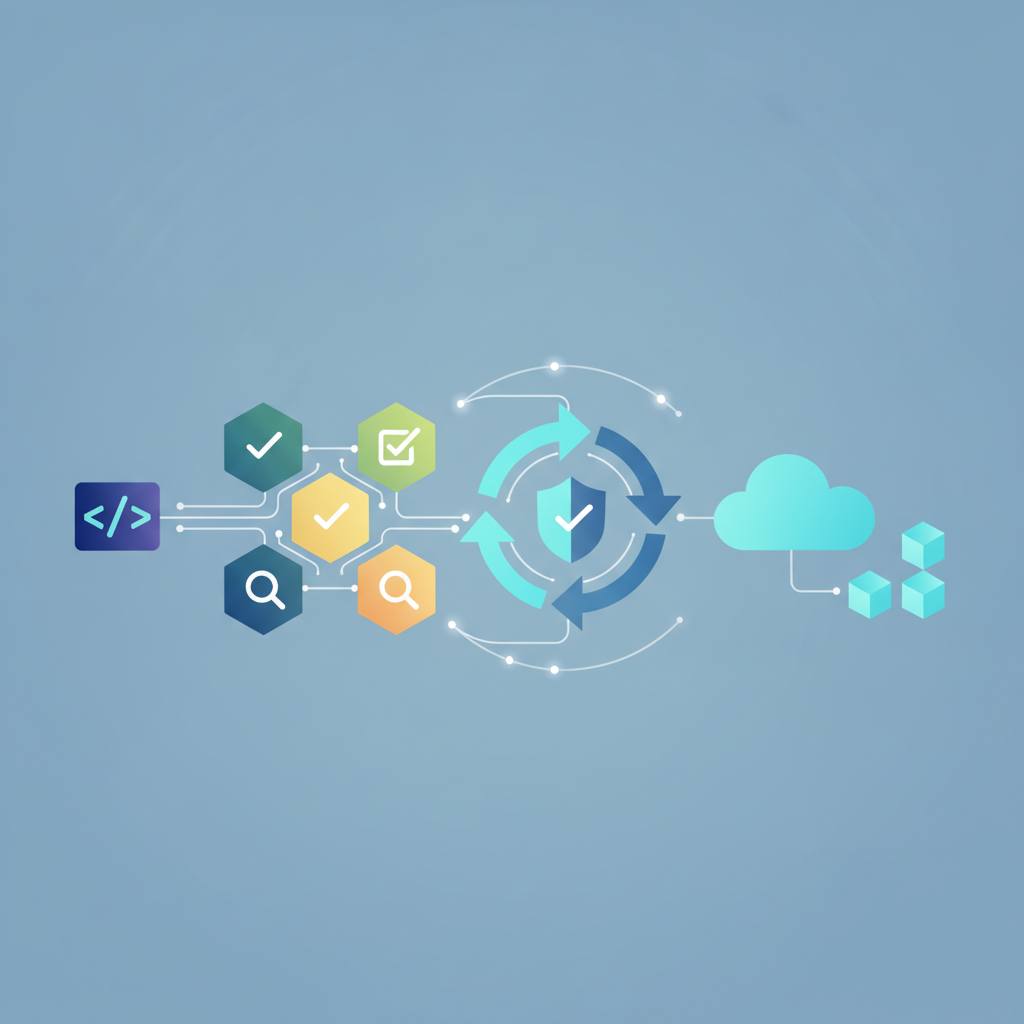
Consider the common problem of a job that never runs. You dispatch it, but if something goes wrong before it even enters the queue, it's silently lost. No retries, no failure logs. The solution, as we've seen, is a 'reconciler' – a system that actively checks the database, our source of truth, to ensure no pending tasks are forgotten. This isn't just about recovering from errors; it's about continuously validating the system's state against its desired state.
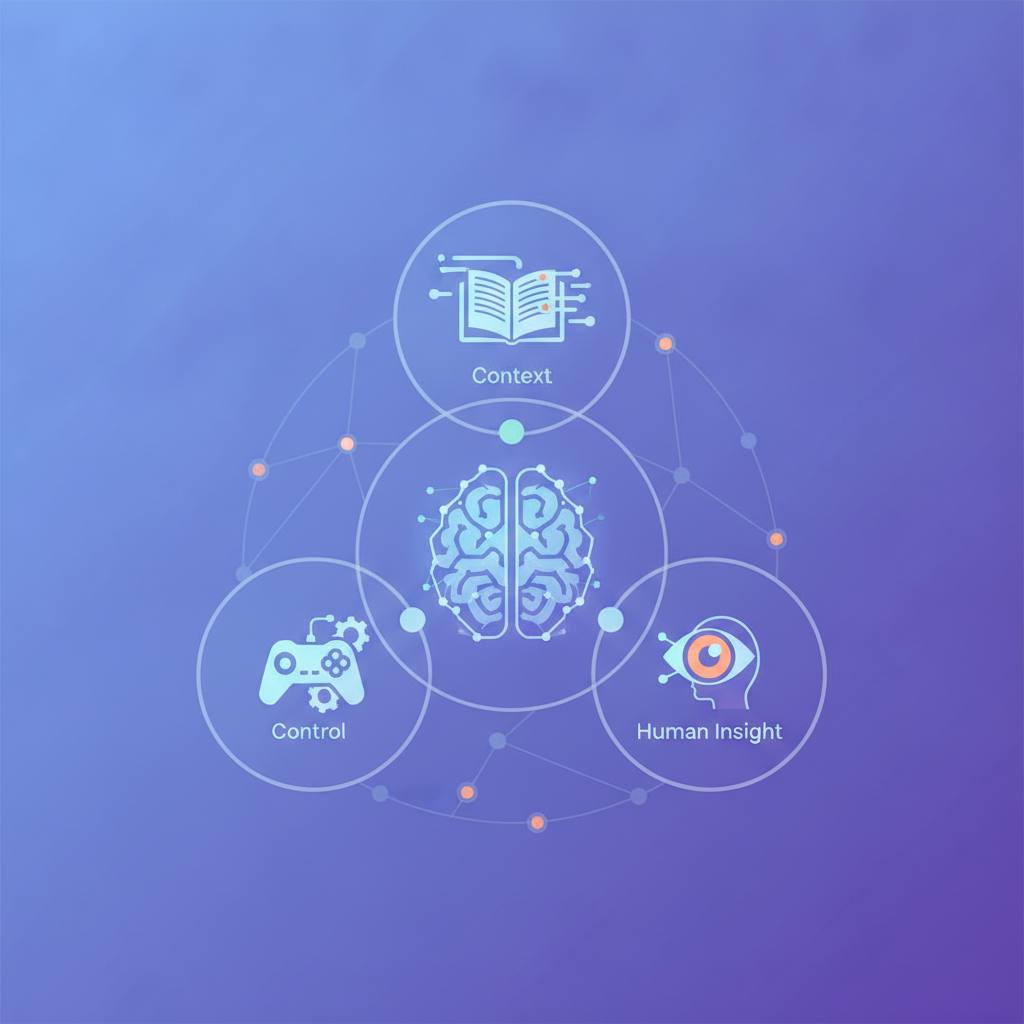
Similarly, understanding a complex codebase is a hurdle, even for advanced AI. Tools that map code into visual graphs are becoming essential. They don't just show files; they reveal connections and dependencies. This helps developers and AI alike build a correct mental model. As systems grow, this kind of structural verification becomes crucial for maintenance and debugging, preventing unexpected interactions or silent failures.
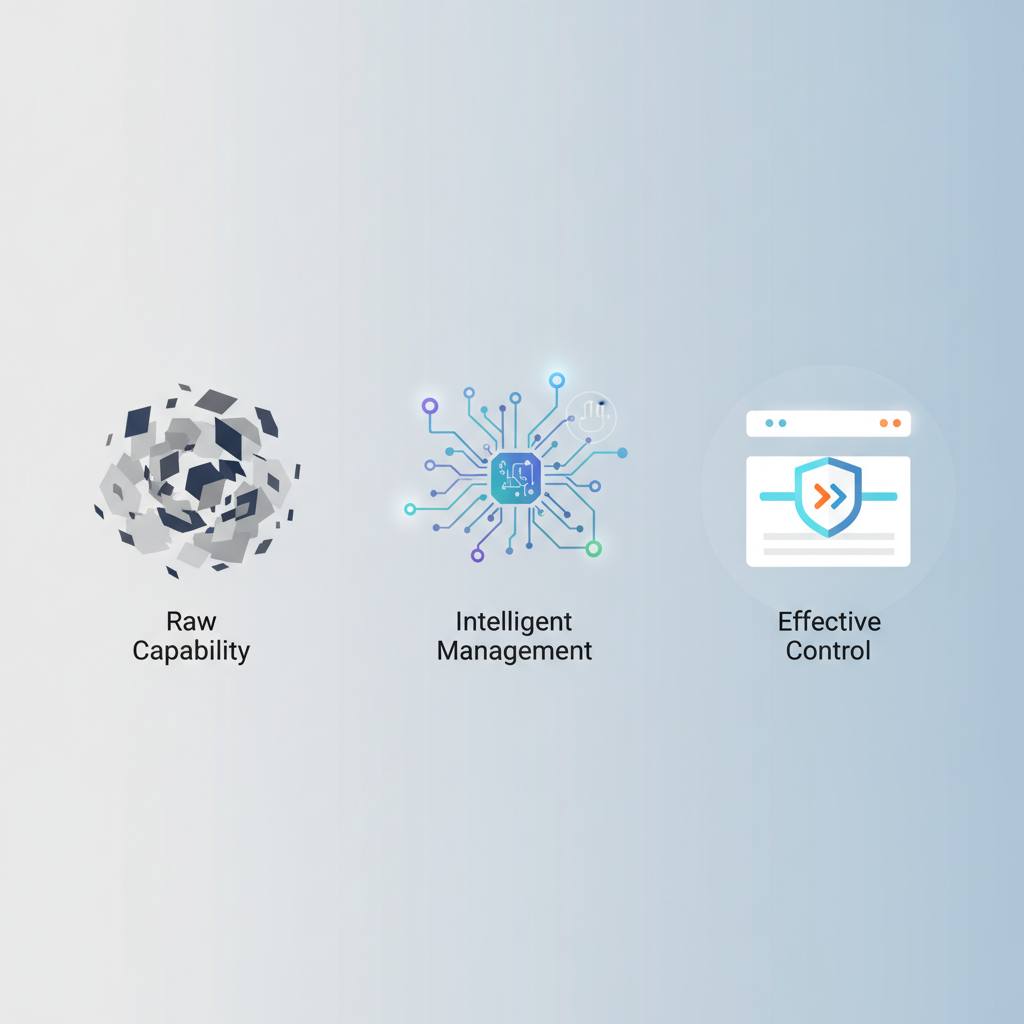
And when we give AI real permission to act, trust becomes critical. The difference between 'it worked' and 'I can verify what it did' is significant. As autonomous AI agents become more common, building explicit checks into their workflows isn't optional; it's a necessity. These checks provide an audit trail, ensuring accountability and allowing us to confirm the AI's actions align with our goals. We need systems that log their operations, track their state, and allow for independent verification, rather than just reporting success.
Looking ahead, expect developers to increasingly build systems with inherent verification mechanisms. We'll see more sophisticated reconcilers, not just for simple jobs, but for complex workflows spanning multiple services. Codebase analysis tools will evolve, integrating more deeply into development environments, offering real-time insights into system health and potential issues. Most importantly, AI systems will come with built-in verification and audit features, designed to prove their actions and outcomes. The database will become an even more comprehensive source of truth, tracking not only data but also process states, verification logs, and AI decision-making paths. Our focus will shift from just building functionality to building functionality that explicitly proves its correctness and completeness. This shift will make our automated world far more reliable and trustworthy.
Consider the common problem of a job that never runs. You dispatch it, but if something goes wrong before it even enters the queue, it's silently lost. No retries, no failure logs. The solution, as we've seen, is a 'reconciler' – a system that actively checks the database, our source of truth, to ensure no pending tasks are forgotten. This isn't just about recovering from errors; it's about continuously validating the system's state against its desired state.
Similarly, understanding a complex codebase is a hurdle, even for advanced AI. Tools that map code into visual graphs are becoming essential. They don't just show files; they reveal connections and dependencies. This helps developers and AI alike build a correct mental model. As systems grow, this kind of structural verification becomes crucial for maintenance and debugging, preventing unexpected interactions or silent failures.
And when we give AI real permission to act, trust becomes critical. The difference between 'it worked' and 'I can verify what it did' is significant. As autonomous AI agents become more common, building explicit checks into their workflows isn't optional; it's a necessity. These checks provide an audit trail, ensuring accountability and allowing us to confirm the AI's actions align with our goals. We need systems that log their operations, track their state, and allow for independent verification, rather than just reporting success.
Looking ahead, expect developers to increasingly build systems with inherent verification mechanisms. We'll see more sophisticated reconcilers, not just for simple jobs, but for complex workflows spanning multiple services. Codebase analysis tools will evolve, integrating more deeply into development environments, offering real-time insights into system health and potential issues. Most importantly, AI systems will come with built-in verification and audit features, designed to prove their actions and outcomes. The database will become an even more comprehensive source of truth, tracking not only data but also process states, verification logs, and AI decision-making paths. Our focus will shift from just building functionality to building functionality that explicitly proves its correctness and completeness. This shift will make our automated world far more reliable and trustworthy.